Month: November 2025

  • SolarTyle etc: Growth, Hurdles and the Race to Go Mainstream

    SolarTyle etc: Growth, Hurdles and the Race to Go Mainstream

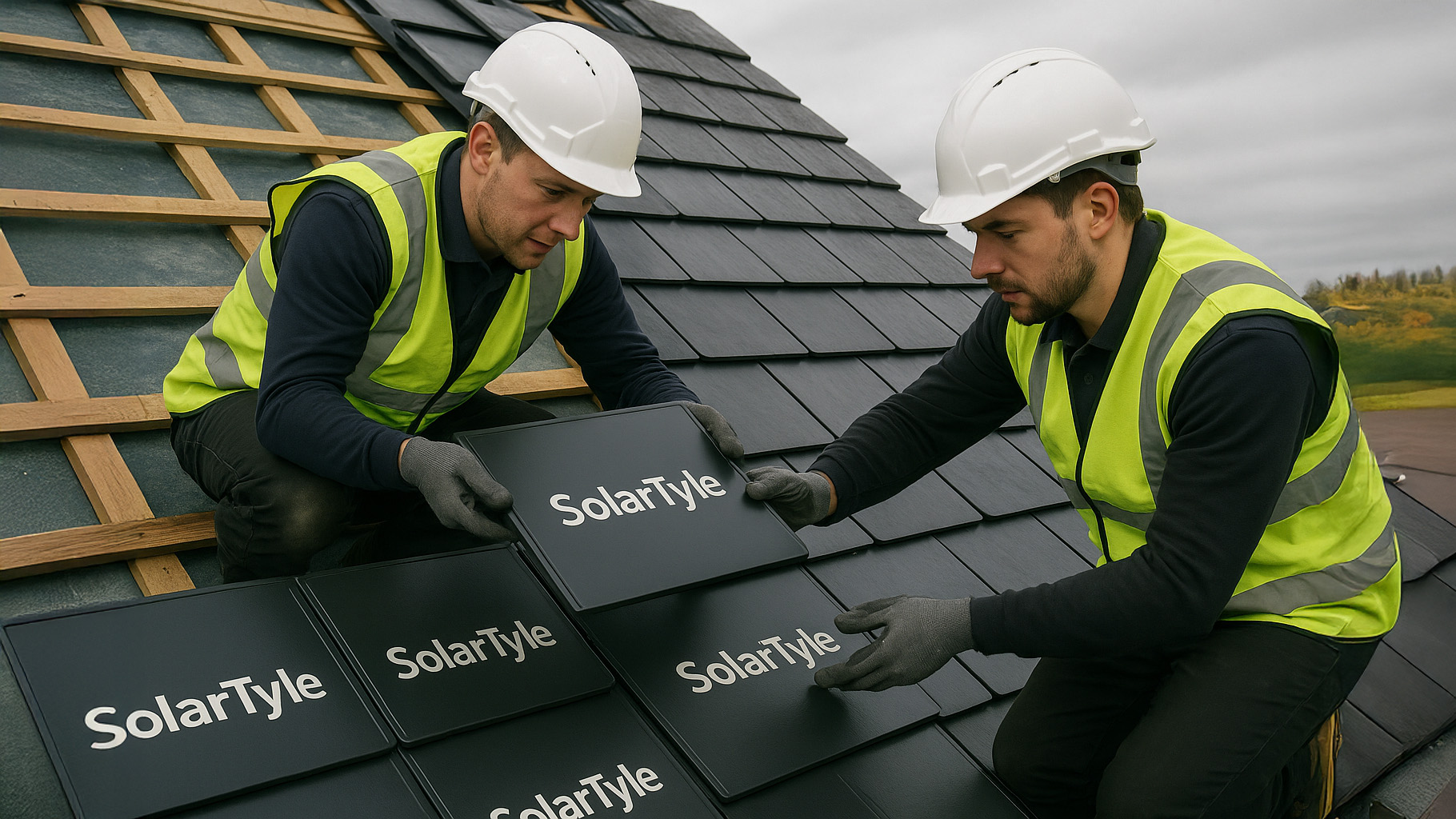
    Solar roofs promise the clean glamour of renewable energy without the clunky hardware, and companies like SolarTyle built their entire pitch on that seductive idea. The whole industry likes to imagine itself as the natural next step after the age of bolt‑on panels, moving towards rooftops that look normal but quietly pump electrons into your kettle. It’s an appealing fantasy. Once you’ve seen a Victorian terrace disfigured by a mismatched set of shiny rectangles, you understand why architects light up at the thought of solar tiles. Yet behind the aesthetics lies a complicated business trying to become something bigger than a niche.

    Solar roofing sits in a strange middle ground between green tech, construction, and design. It tries to deliver sustainability without asking homeowners to sacrifice beauty, and that’s a rare triple win in property. You see why investors start to circle. Global forecasts buzz with numbers that spark excitement on pitch decks. Analysts say the solar‑roof‑tiles segment hovered around one and a half billion dollars a couple of years ago. They also say it could climb above six billion by the early 2030s. Another set of analysts throws out their own curve and suggests the wider solar roofing category might hit more than twenty billion by the mid‑2030s. Everyone uses slightly different definitions, but the direction of travel looks unmistakable. Money is moving in, people want rooftops that earn their keep, and urban planners prefer clean lines over panel farms.

    The UK’s position looks particularly interesting. Solar roof‑tiles brought in just over two hundred million dollars locally in 2024, and projections point towards crossing the half‑billion line before the next decade arrives. The British obsession with tidy exteriors and brick‑by‑brick uniformity might finally pay off. Add energy bills that behave like a bouncy castle and the national craving for anything that lowers monthly costs, and you start to see why demand is creeping up.

    Then there’s the regulatory pressure. Building standards are changing faster than local councils can update their PDFs. The push for zero‑carbon ready homes means developers must either bolt solar onto a project or weave it directly into the roof. The second option tends to score more points with planners and buyers. Solar roofing sneaks past aesthetic objections that killed many panel installations in conservation areas. Nobody wants to be the neighbour who ruins the skyline of a Georgian cul‑de‑sac with something that looks like it escaped from a science fair.

    Technology plays its part too. Solar tiles have grown up from the fragile, underpowered experiments of a decade ago. Companies now pack clever cell architectures behind those unassuming surfaces. Some place electrical contacts behind the cell to let more sunlight in. Others explore hybrid designs mixing tiles with subtle in‑roof panel sections so the entire system behaves as a uniform skin. Efficiency still lags behind traditional roof‑mounted panels, but the gap keeps closing. Better materials, smarter thermal management and improved manufacturing lines push the idea forward. Every percentage point gained becomes a marketing line and a way to justify calling the whole thing a revolution.

    Growth, however, rarely arrives without complications. The industry carries a list of challenges that reads like a polite warning sign. Start with efficiency. Solar tiles usually collect fewer watts per square metre than standard panels. They sit flush with the roof, which makes them prettier, but physics grumbles about airflow and cooling. Hotter cells produce less energy, so integrated designs need to fight heat without losing the sleek profile everyone admires. For homeowners counting every kilowatt hour, the trade‑off deserves honesty.

    Costs add another hurdle. Installing solar tiles becomes financially attractive mainly when someone already needs a new roof. If the existing roof still behaves itself, ripping it off purely for the sake of aesthetics turns into an expensive adventure. Traditional panels win here with their quick installation and lower price. The solar‑roofing camp argues that you should compare their systems to a premium roof rather than a panel add‑on, but buyers rarely think in those terms. They look at total outlay, and tiles still sit on the upper shelf.

    Installation difficulty brings its own drama. Instead of a day’s work with feet bolted onto the rafters, installers must lay tiles with millimetre precision, connect hidden wiring, integrate it with waterproofing layers and then pray the British weather behaves for long enough to test the electrics. A poorly fitted solar tile doesn’t just lose energy; it leaks. Roofers need retraining, electricians need certifications, and homeowners need patience. When done properly, the result looks stunning. When done badly, the repair bill tells a different story.

    Controversies simmer quietly in the background. Traditional panel manufacturers argue that integrated tiles promote style over substance, promising green energy without delivering the highest possible output. Environmental purists sometimes complain that the embodied carbon of producing designer tiles doesn’t justify the lower yield. Then there’s the uncomfortable topic of inequality. Solar tiles risk becoming a marker of affluence rather than a mainstream climate solution. Households chasing the lowest energy bills may still pick conventional panels because cost beats beauty. Unless prices fall, the revolution stays stuck in the upscale lane.

    Planning departments introduce another plot twist. While tiles look discreet, they still change the roof’s structure. Not every conservation officer welcomes that change. A few treat any modification to a historic roof as sacrilege. So the very audience who might appreciate the subtlety of solar tiles often faces the hardest approvals. That’s the irony of heritage buildings: they need sustainable upgrades the most, yet push back the hardest.

    There’s also the question of longevity. Standard solar panels come with long performance warranties and decades of real‑world data. Solar roofing doesn’t have that luxury. Homeowners must trust that the tiles will last as long as a regular roof while still generating electricity at a useful rate. If one tile fails, the repair can be fiddly and costly. Swapping a panel is straightforward. Swapping a tile sometimes requires climbing into the roof’s heartbeat.

    Still, the industry pushes forward. Partnerships between solar‑tile makers and established roofing companies hint at what happens next. When a tile manufacturer joins forces with a long‑standing roof brand, the product becomes less exotic and more mainstream. A homeowner feels reassured knowing that the same company behind their neighbour’s concrete tiles also created the solar version. It blends novelty with trust, and that’s exactly what a young industry requires.

    Developers already sense an opportunity. Imagine a future where every new estate gets delivered with a roof that quietly powers the dishwasher. Buyers won’t see it as a special feature but as a basic expectation, like double glazing or a boiler that doesn’t explode. As large developers adopt solar roofing at scale, manufacturing costs should fall, designs should standardise, and installation teams should become more reliable. Once the industry crosses that threshold, the technology stops being a talking point and becomes a default.

    Batteries darken the plot in a good way. Rooftop generation paired with home storage turns a property into a tiny power station. Solar roofs then feed electric vehicles, smart heating systems, garden offices and even neighbourhood microgrids. Governments talk endlessly about resilience and decentralisation, and solar roofs fit neatly into that story. The idea of streets full of houses quietly generating and storing energy sounds idyllic. Of course, balancing all that power across millions of homes gives grid operators headaches, but those come with the territory.

    Aesthetics also elevate the industry’s appeal. There’s something undeniably elegant about a roof that hides its purpose until you check your energy monitor. Architects adore the ability to design smooth surfaces uninterrupted by awkward rectangles. Homeowners like the idea of sustainability disguised as tradition. Energy consultants love the optics of a neighbourhood full of green upgrades that nobody can complain about.

    Investors keep circling because the industry’s shape resembles other tech‑construction hybrids that exploded once production scaled. Early adopters pay a premium. Manufacturers learn. Processes get smoother. Prices fall. Then everyone jumps on board. Solar roofing might follow that curve, though there’s no guarantee. It depends on whether companies balance cost, performance and reliability before scepticism wins.

    The next decade will decide everything. If the market moves from a couple of hundred million in annual UK revenue to the half‑billion range as forecast, solar roofing becomes more than a talking point. It becomes a serious slice of the construction sector. If global figures quadruple as predicted, the industry moves from novelty to mainstream green infrastructure. But the companies leading this shift must tread carefully. They must convince homeowners that the benefits outweigh the risks, must persuade regulators to view integrated solar as a future‑proof default, and must show investors that scale isn’t a pipe dream.

    Companies like SolarTyle act as test cases. They sit at the frontier, demonstrating how attractive solar roofing can look when integrated properly, and partnering with experienced roof manufacturers to deliver something developers might choose without hesitation. If they succeed, they create a template for others. If they stumble, critics will say the concept never deserved a seat at the table.

    For now, the outlook remains optimistic. Demand for clean energy keeps rising. People want homes that create rather than consume. Governments rewrite rulebooks around energy efficiency. Architects crave solutions that let them keep their skylines tidy. Solar roofing checks enough boxes to earn serious attention. It may not replace traditional panels everywhere, but it doesn’t need to. It only needs to become common enough that homeowners mention it casually over coffee.

    Picture a future where someone says they’re getting their roof redone, and the first question isn’t whether they’ll install solar, but which style of solar roof they’re choosing. That’s the moment the industry crosses from interesting to inevitable. Solar tiles might start as the pretty option, but their true power lies in becoming the obvious one.
  • Solving the Compliance vs Growth Tug of War with a Compliance Efficiency Role

    Solving the Compliance vs Growth Tug of War with a Compliance Efficiency Role

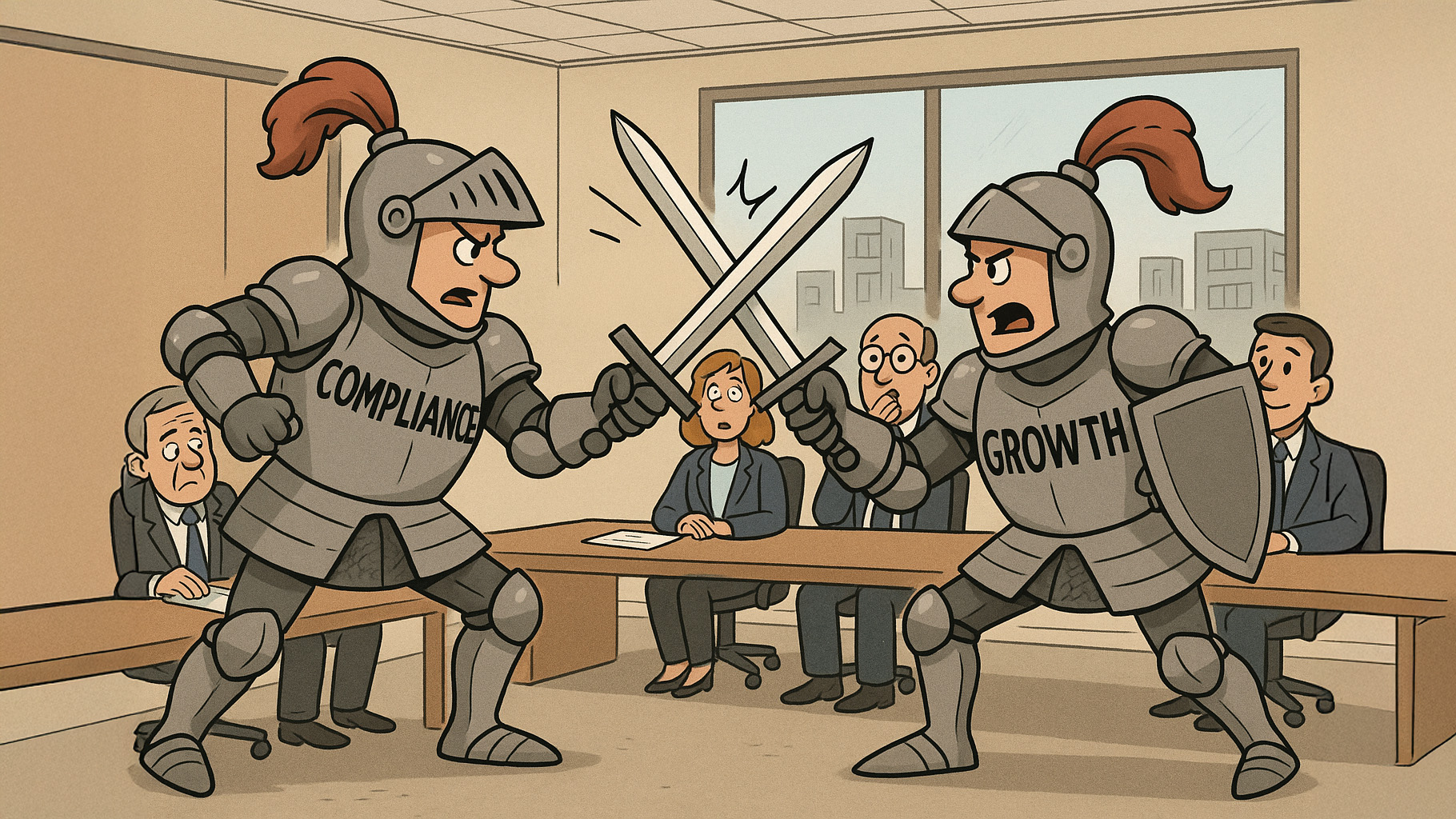
    Every financial institution loves to pretend it’s a simple creature, which is precisely why the compliance efficiency role feels long overdue. Firms dream of a world where they follow the rules, grow the business, keep regulators smiling, delight customers and still have the energy to innovate. Instead, they stumble through a three‑legged race where one partner sprints and the other refuses to move until someone triple‑checks the risk register. Product teams chase growth. Compliance teams protect the licence. Customers wonder why onboarding feels like applying for a passport during a postal strike. The tension never disappears, it just gets better at hiding.

    That’s the backdrop against which the compliance efficiency role becomes such a useful invention. The job doesn’t promise to eliminate friction; it promises to stop everyone setting themselves on fire while arguing about who caused it. Product managers propose something new and shiny. Compliance responds with a forty‑page PDF explaining why it requires fourteen controls, six attestations and possibly a prayer. The product manager sighs, quietly mourns the idea, and returns with a watered‑down version that barely resembles the original. Nobody wins. Customers suffer. Revenue vanishes. Compliance gets blamed for crimes it didn’t commit. The regulator arrives months later asking why the whole operation still behaves like a vintage machine surviving on habit.

    Banks often treat regulation as weather: something to endure rather than shape. They bolt on controls the way someone patches a roof with whatever they find in the garage. Fintechs sprint forward, build dazzling journeys, then remember regulation when the funnel collapses under its own creativity. One pays with slowness, the other with supervisory letters. Neither bothers to design the relationship properly.

    This is where the compliance efficiency role strolls into the story. Not with fireworks, not with heroic speeches — just with the quiet confidence of someone who understands both the rulebook and the customer journey. They act as translator, mediator, strategist and diplomat. They ask questions both sides forget to ask. They remind compliance that a thirty‑minute KYC flow destroys conversion. They remind product that the regulator will not accept a blurry selfie taken next to a houseplant. They turn regulation from a barricade into a set of design constraints that can be worked with rather than feared.

    Titles like Chief Regulatory Efficiency Manager may tempt ambitious CEOs because they promise speed without recklessness. The trouble is that anything containing the word “efficiency” makes regulators suspect someone is planning to perform acrobatics around the rulebook. But the attitude behind the title matters far more than the label. A compliance efficiency role, whatever name it eventually carries, brings structure to chaos. It makes regulatory requirements understandable, practical and commercially reasonable. It softens the internal battles that slow everything down.

    A person in this role sits close to product, not risk. They carry responsibility for conversion, timelines and customer experience, yet they speak fluent policy. They join early ideation sessions to prevent disasters disguised as features. They shape documents so compliance doesn’t vomit at the sight of them. They build regulatory scenarios that don’t read like cautionary folklore. They know which rules are steel and which are clay. They prevent entire quarters from being lost to misunderstandings.

    Customer onboarding is where the compliance efficiency role truly shines. Most institutions treat it like a medieval proving ritual. Customers send documents, systems reject them because of a shadow, analysts squint at PDFs until their eyes revolt, and everyone pretends this is normal. The new role analyses the entire mess and asks the forbidden question: do we really need all of this? Could verification be tiered? Could automation stop turning small mistakes into full‑scale rejections? A few small design changes later, onboarding stops humiliating people and starts converting them.

    Transaction monitoring presents the same opportunity. Many institutions build systems that panic at the sight of anything mildly interesting. Analysts drown in false positives. Customers get blocked for buying something unusual but completely harmless. Compliance panics. Product despairs. A compliance efficiency role steps in long before any of this goes live. Thresholds get redesigned. Scenarios get tested. Controls become proportionate. Risk becomes something measurable rather than theatrical.

    Governance is where this role earns its halo. Committees stop resembling tribunals. Presenters stop sweating. Materials stop reading like a cry for help. The compliance efficiency role prepares teams properly, challenges assumptions, and filters out nonsense before it embarrasses anyone. By the time something reaches a committee, it already makes sense. Everyone breathes easier.

    The tragedy in financial services is that innovation usually dies from misunderstanding rather than prohibition. Rules rarely demand customer misery. Rules demand clarity, control and evidence. The catastrophe begins when product and compliance interpret those rules in isolation. When they collaborate, the whole machine starts behaving like a modern institution rather than a relic.

    The industry desperately needs to understand that regulation shapes customer experience as surely as design. A firm that integrates the compliance efficiency role gains trust, speed and far fewer headaches. Customers glide through onboarding instead of stumbling. Regulators get systems that work without drama. Product teams stop feeling attacked. Compliance officers stop performing miracles at the eleventh hour.

    Name worries will fade. Chief Regulatory Enablement Officer, Head of Regulatory Design, Director of Compliance Efficiency — any of these could work. What matters is the function: someone who ensures regulation becomes part of the creative process rather than the final barrier. Firms that embrace this see fewer delays, fewer arguments and a roadmap that finally looks achievable.

    The compliance efficiency role fills the space where regulation meets ambition. It brings clarity instead of panic, curiosity instead of conflict, and collaboration instead of suspicion. With that kind of partner in the room, even the most painful regulatory demand becomes something manageable. Growth stops feeling like an act of rebellion against red tape. And the whole organisation finally moves with confidence instead of fear.

  • Polished Rooms, Broken Model: The Real Story Behind Sonder ’s Fall

    Polished Rooms, Broken Model: The Real Story Behind Sonder ’s Fall

    Sonder liked to talk about seamless stays, curated interiors and clever tech that promised frictionless travel. Guests imagined a Scandinavian‑looking flat with spotless surfaces and a tablet glowing on the table. Investors imagined something even better: a hospitality revolution that would scale faster than ordinary hotels and outshine Airbnb’s ragtag unpredictability. For a while the fantasy worked. The brand spoke the language of modern comfort, the style whispered cosmopolitan living, and the numbers seemed to hint at unstoppable growth. Then reality arrived with the same courtesy as a fire alarm at 3 a.m.

    The idea felt simple on paper. Sonder leased buildings or large chunks of them, refurbished everything until it resembled a lifestyle magazine spread, and rented the units to travellers who wanted apartment comfort with hotel convenience. It offered consistency that Airbnb struggled to guarantee and it claimed efficiency that hotels struggled to match. The company expanded across dozens of cities, including London, New York, Barcelona and Dubai. Guests posted photos of minimalist sofas and chic lighting. The brand framed itself as the future of urban stays. It all looked very elegant from the outside. Behind those pretty doors, though, the economics stretched much tighter.

    Long‑term leases don’t shrink just because occupancy dips. Cleaning crews don’t magically cost less when demand goes quiet. Maintenance doesn’t become optional just because a spreadsheet insists on better margins. Sonder pushed ahead with these obligations while telling the world that tech would smooth everything out. Revenue still depended on tourists turning up, booking, staying, and leaving good reviews. The model offered little wiggle room. It tried to behave like a Silicon Valley darling while carrying the fixed costs of an old‑school hotel chain. That tension sat at the heart of everything.

    Then came the SPAC moment. Sonder went public in 2022, carried by the same optimistic wave that floated so many companies promising to reinvent physical industries with code, dashboards and a touch of minimal branding. Investors clapped. Cash flowed. Growth plans ballooned. The company added new cities and stacked new properties on top of existing commitments. Momentum felt electric. The logic looked bold rather than reckless, at least from afar. Only later did people notice that the shine came from borrowed light.

    Cracks showed early. Auditors raised eyebrows in 2023 and asked a few awkward questions about reporting. Sonder postponed its full‑year financials, which never helps investor confidence. Analysts spotted accounting errors. Litigation followed, because litigation always follows. Shareholders accused the company of painting a rosier picture than the numbers allowed. The stock slid into the sort of territory usually reserved for companies that scramble rather than grow. The narrative drifted away from disruption and closer to survival.

    Meanwhile, landlords and hotel partners also raised concerns. Some claimed missed lease payments. Others talked about maintenance issues and unfulfilled promises. A few tried to terminate agreements early. The whole ecosystem that Sonder depended on started wobbling. Growth stories rely on confidence, and confidence erodes quickly when partners talk about unpaid bills. Guests didn’t always see this backstage chaos, although a few noticed cleanliness inconsistencies or odd turnover in building management. The elegant veneer started to look a touch smudged.

    Then the Marriott deal landed in 2024 with enough fanfare to sound like a rescue. Marriott welcomed the idea of adding thousands of Sonder units into its own apartments‑and‑hybrid portfolio. Sonder welcomed Marriott’s distribution power and the magnetic pull of Bonvoy loyalists who love collecting points as if they were rare gemstones. The marriage looked convenient for both sides. Marriott gained instant scale. Sonder gained bookings and brand legitimacy. The announcement felt hopeful. Some even called it transformational. In reality the partnership looked more like a plaster placed over a structural crack.

    Behind closed doors, integration didn’t flow as smoothly as people hoped. Systems misaligned. Processes clashed. Guest expectations travelled in from the Marriott world and sometimes collided with Sonder’s on‑the‑ground operations. A few complaints circulated about inconsistent service. Revenue through the Marriott channel didn’t surge as desperately needed. Sonder still wrestled with those relentless lease obligations. The partnership bought time, not stability.

    By late 2024, the company admitted in filings that it lacked enough liquidity to cover obligations for the next twelve months. That admission rarely signals a promising near future. Analysts noticed. Partners noticed. Potential lenders definitely noticed. Sonder faced the classic squeeze: rising liabilities, flat revenues and falling patience from everyone involved. The model could handle fast growth but not prolonged financial fatigue.

    By 2025 the situation moved towards the inevitable. Marriott terminated the licensing agreement in early November, citing default and pointing to unresolved problems. The moment that happened, everything else collapsed like a row of damp playing cards. Sonder announced an immediate shutdown. Guests staying in its properties received abrupt notifications telling them to pack up and leave. Some returned to buildings and found staff gone and belongings already bagged. Confusion rippled across cities where travellers stood on pavements with suitcases and no idea why their accommodation had evaporated. Employees lost their jobs overnight.

    The company moved towards liquidation under Chapter 7. Statements spoke about severe financial constraints. Marriott’s legal filings accused Sonder of mismanagement, including collecting guest payments that it couldn’t honour. The accusations grew sharper: Marriott suggested Sonder tried to use guest safety as a lever to negotiate funding. The partnership that once looked like a life raft turned into a courtroom drama. Hospitality rarely creates headlines at this scale unless something spectacularly wrong happens.

    The collapse carried broader implications. Sonder didn’t fail because people dislike apartment‑style stays. The appetite remains strong. Travellers still want stylish units with space to stretch out and a kitchen that isn’t just decorative. What failed here sat deeper in the business model. Tech‑enabled hospitality only works when the economics behave. Leasing entire buildings costs a fortune. Maintaining them costs another fortune. Scaling globally adds more cost layers. Calling it a tech company didn’t erase the reality that Sonder operated an asset‑heavy system disguised as an asset‑light promise.

    Many startups from that era built similar contradictions. The story usually begins with disruption and ends with spreadsheets that refuse to behave. Growth doesn’t fix structural margins. Design‑rich rooms don’t fix lease obligations. Apps don’t clean bathrooms. Most importantly, scale doesn’t magically convert a flawed economic model into a functional one. Sonder sprinted ahead expecting future revenue to justify present commitments. The bet didn’t pay off.

    The collapse also shook confidence in hybrid hospitality. Landlords who once looked at tech‑forward operators with excitement now examine contracts with suspicion. Investors who once applauded rapid expansion now demand slower, more sustainable paths. Guests who once expected seamless stays now double‑check whether their booking connects to an actual hotel with actual staff who will still be there when they arrive. The entire sector absorbs the lesson.

    As for what happens next, competitors already circle the remains. Kasa, another player in the serviced‑apartment space, signalled interest in taking over some of the former Sonder properties. Others explore opportunities because distressed assets always attract opportunists. The hybrid model won’t disappear. It will evolve with a more cautious mindset. Companies will negotiate shorter leases, invest in stronger operational systems, and avoid scaling faster than their cashflows can handle. The future might favour operators who balance ambition with pragmatism.

    Sonder’s ending looks dramatic partly because its marketing always felt dramatic. It promised a reinvention of urban stays and suggested that old hospitality models simply lacked imagination. The collapse revealed something more mundane: running accommodation requires discipline, grounded economics and operational strength. The story proves that you can decorate a flat with beautiful pendant lights and deliver a frictionless booking app, but you still need the basics to work every single day. A business can’t curate its way out of inflexible costs.

    Many travellers enjoyed Sonder stays and remember them fondly, which makes the sudden shutdown feel even sharper. Guests didn’t witness the financial manoeuvring, the liquidity warnings or the quiet tension building behind corporate statements. They booked a stylish room, expected a pleasant stay, and assumed the company looked after the fundamentals. They encountered a brand that grew faster than it stabilised.

    For people inside the industry, the collapse offers a memorable case study. It shows how a company can blend strong design, clever branding and genuine consumer appetite, then still fail because the foundations don’t support the structure placed on top. It shows how strategic partnerships can buy time but not fix the engine. It shows how mismatched expectations between Silicon Valley ambition and hospitality reality create contradictions that eventually snap.

    Sonder’s story won’t vanish quickly. Analysts will reference it every time a hospitality startup promises exponential growth. Landlords will remember it when negotiating leases. Guests will recall those stranded travellers forced to step into the street with luggage and shock. Investors will treat it as one more reminder to examine the cost base rather than the press release.

    Somewhere in an archive of glossy branding you’ll still find those images of bright apartments with geometric cushions and sleek kitchenettes. They represent a moment when the industry believed tech could transform everything without friction. The collapse marked the end of that belief and the start of a more grounded approach. Growth still excites investors, of course, but they now crave sturdier models underneath.

    Sonder planned to reinvent hospitality. In the end it taught everyone that hospitality doesn’t bend easily. Real walls, real staff and real leases always demand more respect than a pitch deck suggests. The next generation of operators will still try to reshape the sector, but they will probably walk instead of sprint. After watching Sonder’s rise and fall, they know the pavement comes up fast when ambition outruns economics.

    Key Lessons from Sonder ’s Collapse

    • The model relied on heavy, inflexible leases that revenue couldn’t support.
    • Tech branding hid a fundamentally hotel-like cost structure.
    • Rapid expansion made the weaknesses worse.
    • Financial reporting issues and lawsuits eroded trust early.
    • The Marriott partnership failed to fix the economics.
  • How ESG Quietly Became the Operating System of Modern Business

    How ESG Quietly Became the Operating System of Modern Business

    Few things in corporate life move from the sidelines to the centre as quickly as ESG. One day it looked like an optional workshop HR organised to make everyone feel wholesome, and now it commands boardrooms, terrifies CFOs, and sends strategy teams sprinting toward frameworks they swear they fully understood before lunch. ESG became the surprise architect of business transformation, not because executives suddenly turned into environmental philosophers, but because the world around them changed faster than their quarterly reports could keep up.

    The story starts with a growing suspicion that purely financial metrics were about as useful as a paper umbrella in a monsoon. Companies kept realising that risks didn’t only hide in balance sheets. They lurked in melting ice caps, exploited workers deep in supply chains, diversity failures that made headlines, and governance scandals that erupted with the precision of a mechanical alarm clock. Pretending these issues lived outside the business world became impossible. Markets began to look at non-financial performance with the same intensity auditors reserve for missing receipts.

    Capital markets played the first big twist. Investors, who traditionally enjoyed a good cash flow chart more than most people enjoy a summer holiday, shifted their focus. They discovered that companies treating the environment, people and governance as actual priorities performed better over time. Resilience turned out to be a heavily ESG-flavoured concept. Green portfolios started outperforming traditional ones in several sectors, and investment funds launched more ESG-labelled products than coffee shops launched seasonal lattes. Soon enough, companies learned a simple truth: ignore ESG, and watch your cost of capital rise faster than your sustainability report can spin sunshine.

    Regulators joined the party next, armed with paperwork sharp enough to slice through any vague corporate promise. Governments across Europe, Asia and the Americas pushed new disclosure rules that made ESG performance measurable, comparable and painfully public. Europe in particular decided that if a business wanted access to its markets or capital, it had to lift the curtain and show its environmental and social behaviour with the clarity of high-definition television. This didn’t just add paperwork. It transformed operations. Firms started building data systems that could track emissions, labour practices, supplier conduct and every governance decision. Suddenly everyone wanted dashboards, and sustainability officers started speaking the same language as IT.

    Consumers added their own flair. They had spent years becoming more informed, more vocal, and frankly, more impatient. Social media amplified every ethical misstep, every environmental blunder, every poorly thought-out advertisement. Companies saw that trust no longer came from glossy branding alone. It came from proof. People buying products wanted to know where ingredients were sourced, how workers were treated, and whether the company could talk about its values without crossing its fingers behind its back. A brand could spend millions on advertising, but one whistleblower with a phone camera could blow the whole thing up in an afternoon.

    Employees followed a similar track. Younger generations in particular wanted to work for organisations that matched their values. They grew increasingly allergic to workplaces that spoke about sustainability only in annual reports while acting differently the rest of the year. Talent attraction and retention became entangled with ESG in ways few HR directors predicted. High performers looked for purpose, transparency and integrity as much as salary. If a company wanted the best people, it had to offer a mission with substance, not just a poster about corporate values in the lift lobby.

    At this point, ESG was no longer a gentle suggestion. It became a competitive requirement. Strategy teams started treating ESG as part of their core toolkits. Business models changed. Supply chains were mapped with archaeological precision. Product design started adopting circular principles. Nature became a strategic consideration rather than an abstract concept. Companies realised that avoiding biodiversity damage wasn’t only good citizenship; it was good business. The cost of inaction kept rising. Climate shocks disrupted operations, raw material shortages hit margins, and governance failures wiped out value faster than a mispriced derivative.

    The need for transparency spurred a tech boom. Digital platforms, AI-driven analytics and automated reporting tools suddenly became central characters in the ESG story. To measure emissions, companies embraced sensors, satellites and audit trails. Supply-chain transparency relied on blockchain. Social metrics travelled through employee platforms, whistleblowing channels and culture diagnostics. Governance data moved from handwritten board minutes to structured, auditable digital systems. ESG became a data game, and companies without a strong tech backbone found themselves improvising while their competitors built full orchestras.

    As ESG rose, so did complexity. One of the biggest headaches involved supply chains. For many organisations, the environmental and social risks didn’t sit in their own buildings but in remote factories, farms or logistics hubs. Scope 3 emissions became the corporate equivalent of a challenging maths problem. Social risks multiplied across suppliers. Companies needed new kinds of due diligence, real-time insights, and partnerships with organisations capable of providing reliable information in places they had never physically visited.

    Another curveball appeared in the form of greenwashing. Ambitious promises without real substance quickly attracted criticism. Regulators started fining businesses for misleading claims, and watchdogs inspected sustainability marketing with the intensity normally reserved for financial fraud. This created a new corporate golden rule: say only what you can prove. ESG officers became amateur detectives, ensuring claims survived scrutiny from investors, activists, and probably your neighbour who recently completed an online sustainability course.

    For companies dealing with mergers and acquisitions, ESG turned into a form of pre-nuptial agreement. Buyers wanted to know whether the target’s environmental or social record hid any unpleasant surprises. Poor labour practices, unsafe facilities, high emissions or governance weaknesses could slash valuations or derail entire deals. Strong ESG became a mark of quality; weak ESG became a red flag. The phrase enterprise value suddenly included carbon footprints and ethical histories. Financial diligence alone was no longer enough.

    Governance often acted as the unsung hero. While the environmental and social pillars attracted headlines, governance decided whether anything actually changed. Boards began adding sustainability expertise. Executives saw part of their bonuses tied to ESG goals. Internal controls matured. Risk frameworks expanded. Culture became measurable rather than mystical. A company could have the most ambitious environmental pledge in history, but without proper governance it remained a line in a brochure.

    Nature also entered the spotlight. The world realised that climate alone didn’t capture the full picture. Biodiversity loss threatened food systems, supply chains, water security and even political stability. Companies started evaluating their nature impact with the same seriousness as their climate policies. Protecting ecosystems became part of business continuity. Materials, land use, pollutants and water risks moved from footnotes to strategic priorities.

    The future of ESG now looks less like a trend and more like corporate infrastructure. Businesses are gradually replacing old models with ones shaped around resilience, transparency and long-term value. Large organisations treat sustainability data as strategic capital. Smaller ones accept that even without regulation, customers and investors still expect clarity. The language of ESG keeps merging with the language of strategy: risk, resilience, capital, value, growth.

    The most successful companies take ESG beyond compliance. They treat it as a catalyst for innovation. A new material might cut emissions and open new markets. Redesigning packaging might reduce waste and win customer loyalty. Reworking the supply chain might protect against climate shocks and reduce cost. A transparent governance system builds trust and reduces risk. ESG becomes a story of strategic reinvention rather than a chore.

    Digital tools strengthen this shift. AI analyses emissions patterns, identifies hotspots and predicts regulatory risks. Automation accelerates reporting. Digital twins simulate future scenarios. Companies test how heatwaves, floods or supply disruptions might affect operations. Technology turns ESG from a slow checklist into a dynamic engine of insight.

    Investors continue reinforcing this cycle. They reward long-term thinking, resilience and clarity. They expect data, not slogans. And, they want ESG to be real, measurable and financially meaningful. As global capital moves, ESG becomes part of the financial bloodstream.

    And then there’s society. Communities expect companies to act responsibly. Employees expect purpose. Customers expect honesty. Business can no longer hide behind ignorance or opacity. Those expectations shape markets. Companies that respect them thrive. Those that underestimate them discover, often dramatically, that reputational damage has real cost.

    In short, ESG reshapes business because business finally understood that the world does not pause for quarterly targets. Environmental, social and governance forces operate whether companies acknowledge them or not. The organisations preparing today, investing in reporting systems, creating transparent cultures, reducing environmental impact and respecting people throughout the value chain, will hold an advantage that others will find difficult to replicate.