Month: October 2025

  • Why Marketplaces Are Becoming the New Broadcasters

    Why Marketplaces Are Becoming the New Broadcasters

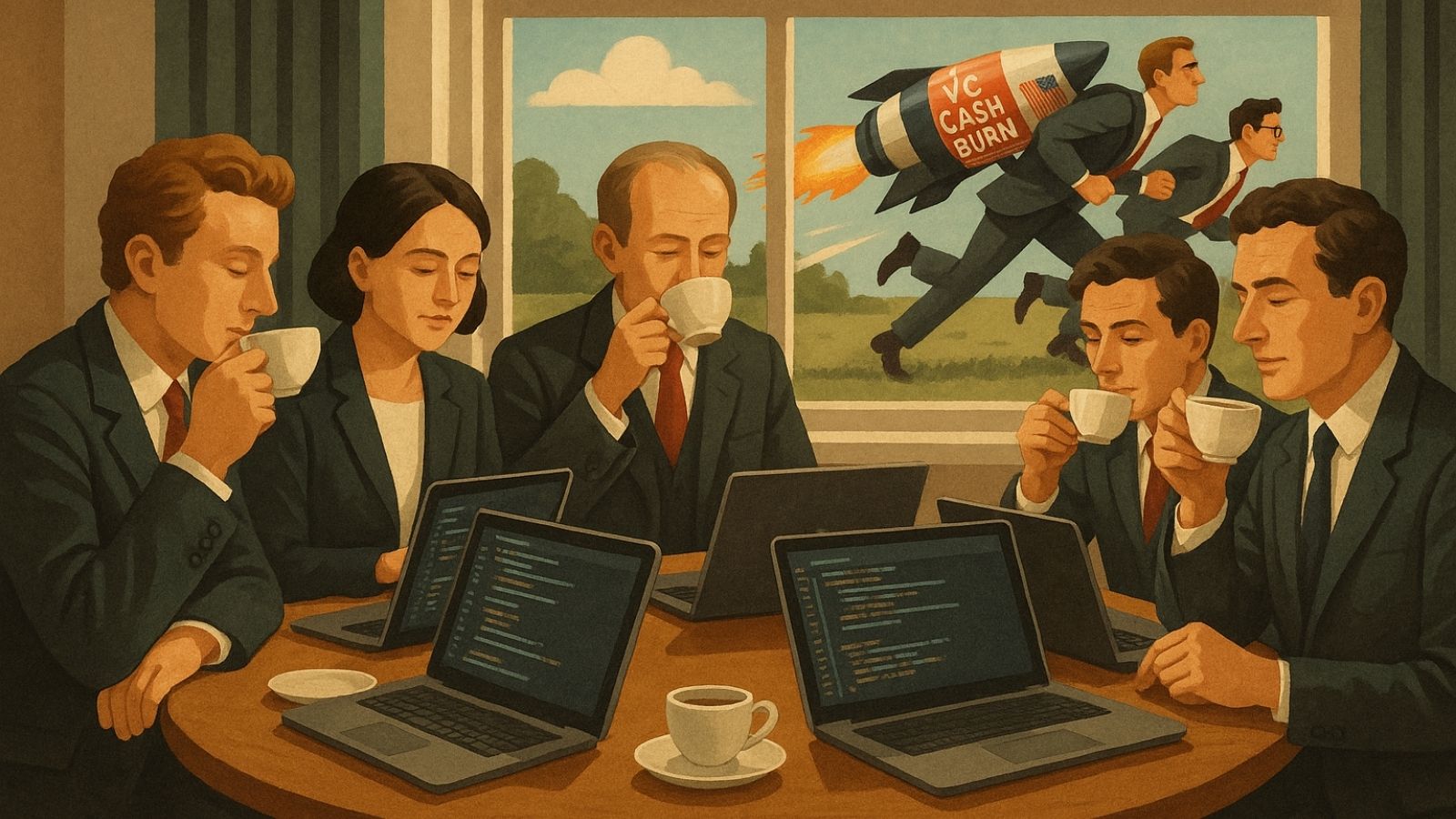
    Imagine a marketplace. A place where buyers meet sellers, deals are struck, margins trimmed, and algorithms hum in the background like overworked baristas. For years, the formula was simple: connect supply with demand, take a cut, scale like mad, and call yourself a platform. Then something changed. The world got noisy. Attention became scarce. Transactions were no longer enough. The new currency? Eyeballs. Engagement. Watch time. Welcome to the era when marketplaces quietly morph into media companies.

    It sounds dramatic, but it’s already happening everywhere. Amazon doesn’t just sell—it streams, advertises, and curates. Airbnb runs content that could rival a travel magazine. Etsy tells stories about makers. And in the UK, Carwow—a car-buying platform once focused on connecting dealers and customers—has become a textbook case of this transformation. What began as a sleek, data-driven marketplace now looks suspiciously like a digital broadcaster with an e-commerce backend.

    That shift isn’t a rebrand. It’s strategy.

    The moment a marketplace starts caring about watch time, clicks, and audience retention, it crosses into media territory. The line between “place to buy” and “place to watch” blurs faster than a drag race in a Carwow video. What used to be a clean transaction engine now fights for the same attention as YouTube, Instagram, and Netflix. And that means new rules.

    The attention economy doesn’t do mercy. It rewards platforms that can entertain, educate, and sell all at once. If your marketplace is just a place to transact, you’re in trouble. People don’t just want to buy—they want to be part of something. They want discovery, curiosity, personality. They want a story. The marketplaces that understand this are the ones evolving into hybrid beasts: half commerce, half content. They don’t just show listings; they tell tales.

    Let’s rewind for a second. The old marketplace model was transactional minimalism. The buyer wants a thing, the seller has a thing, the platform connects them. Everyone’s happy—except investors who’ve realised that transaction fees alone don’t feed unicorns anymore. So platforms began looking for stickier revenue streams. Advertising was the obvious choice. Then came content, influencers, branded videos, curated feeds. Suddenly, your local marketplace was acting like a publisher, producing content that looks suspiciously similar to entertainment.

    The irony is that marketplaces were never supposed to be media. Their beauty lay in neutrality. They didn’t care what you bought, as long as you bought. Now, neutrality is out; narrative is in. The marketplace of the future doesn’t just show products—it shapes perception. And when that happens, the old strategic playbook collapses.

    Attention becomes a new KPI. Engagement metrics start sneaking into board meetings that used to obsess over GMV and conversion rates. Marketing departments morph into editorial teams. Product managers talk about storytelling arcs. Somewhere between the analytics dashboard and the YouTube thumbnail, marketplaces discover that media isn’t an add-on. It’s a survival instinct.

    Take Carwow again. A few years ago, it was known mainly as a comparison tool for car buyers. You entered your dream model, and dealers sent quotes. Simple. Efficient. Utterly unsexy. Then Carwow built a YouTube channel. Not just a few ads, but full-on, high-production automotive shows. Drag races, expert reviews, celebrity guests—the kind of content petrolheads actually wanted to watch. And people did. Millions of them. Their channel grew into one of the largest automotive media platforms in Europe. Suddenly, Carwow wasn’t just a car marketplace—it was the place to experience cars.

    That wasn’t an accident. It was strategy dressed as entertainment. Because every view, every comment, every like fed a loop. The more people watched, the more they trusted the brand. The more they trusted the brand, the more likely they were to use the platform when they needed a car. Dealers noticed. Advertisers noticed. Carwow became a marketing machine for manufacturers. Today, it doesn’t just facilitate car sales—it sells attention.

    This is where things get fascinating. When a marketplace becomes media, its business model multiplies. It no longer relies solely on transaction fees. It can sell ad space, brand partnerships, sponsored reviews, data insights. It can run campaigns for manufacturers who want to reach audiences before they even think about buying. It controls the full funnel—from awareness to action. That’s the holy grail of modern commerce.

    But, of course, nothing’s free. The moment a marketplace steps into media territory, it inherits all of media’s headaches. Bias, transparency, content moderation, algorithmic responsibility. Who gets featured? Who pays for visibility? When your recommendation engine doubles as a storytelling device, neutrality evaporates. Platforms start shaping demand, not just matching it.

    That’s when governance becomes strategy. If your platform is seen as favouring certain sellers because of paid promotions or branded content, trust can collapse overnight. The magic of marketplaces lies in perceived fairness. Lose that, and you lose the flywheel. It’s a delicate balance: curate like media, transact like commerce, and still look impartial.

    Then there’s the regulatory headache. Once you behave like media, regulators might treat you like one. Advertising standards, influencer disclosures, data privacy—all come knocking. The European Union’s Digital Markets Act is already watching large digital platforms with the intensity of a tax auditor at the end of the quarter. What used to be a “tech platform” suddenly looks suspiciously like a “publisher.” And publishers have obligations.

    Yet, despite the pitfalls, the rewards are enormous. A media-driven marketplace enjoys deeper engagement, higher brand loyalty, diversified income, and a moat built on culture rather than price. In a world where social media feeds determine buying behaviour, not being a media platform is starting to look reckless.

    The economic logic supports it. Advertising margins are juicier than transaction fees. Content builds habit. Data from media consumption fuels smarter personalisation. Users who watch videos, read stories, or browse reviews stay longer and return more often. The more they return, the more they buy. Suddenly, the platform owns both the top and bottom of the funnel. That’s strategic power.

    Of course, not everyone can pull it off. Turning a marketplace into media isn’t about hiring an intern to write blogs. It’s about reengineering the product experience around attention. You need creative DNA, algorithmic savvy, and editorial discipline. You need to understand your audience’s entertainment threshold as well as their buying intent. It’s part content studio, part data lab, part marketplace. Which means leadership must stop thinking like brokers and start thinking like producers.

    The irony is that many marketplaces stumble because they think media is a side project. They throw in a few blog posts, maybe a podcast, and call it a content strategy. That’s not media. That’s wallpaper. Real media demands vision. It requires knowing when to educate, when to provoke, when to make people laugh, when to sell subtly. It’s emotional architecture, not product marketing.

    Carwow understood this. Their videos aren’t ads—they’re entertainment. You watch because you enjoy them, not because you’re being sold to. And yet, you’re being sold to brilliantly. They’ve built a voice in a category where most players still speak in technical spec sheets. They’ve turned a car purchase—a notoriously dull process—into a spectacle. That’s the secret sauce of media-thinking.

    Now other marketplaces are taking notes. Retail platforms are becoming publishers. Travel sites are turning into lifestyle magazines. Food delivery apps are producing cooking shows. Everyone wants to capture the pre-transaction moment—the emotional spark that precedes purchase. Because whoever controls that, controls the market.

    But let’s not romanticise it too much. This hybrid model has an identity problem. Are you a marketplace with content, or a media company with a marketplace? The answer changes how you invest, who you hire, what you measure. Too much content, and you forget to sell. Too much sales focus, and you lose your audience. The art is in maintaining tension without snapping the rope.

    For strategists, this era is thrilling chaos. It demands cross-pollination between disciplines that once despised each other. Editors sit in meetings with engineers. Data analysts debate thumbnail design. Journalists talk about conversion funnels. Suddenly, everyone’s speaking a dialect of the same language: engagement.

    And the rewards go beyond revenue. A media-driven marketplace can shape taste, culture, and even policy. It can elevate small sellers, spotlight sustainability, change how people choose. The marketplace becomes not just a facilitator but a tastemaker. That’s where real influence—and long-term value—reside.

    So, what’s the playbook for the next five years? Think like a storyteller, act like a matchmaker, monetise like a strategist. Build an experience that feels more like browsing a magazine than scanning a spreadsheet. Use content not as decoration but as a gravitational field. And remember: attention is the new logistics.

    Carwow’s success isn’t a one-off. It’s a preview. The platforms that will dominate the next decade won’t just move goods—they’ll move emotions. They’ll orchestrate entire ecosystems of trust, entertainment, and commerce. The future of marketplaces looks suspiciously like television—except it sells you cars instead of soap.

    The smartest players will realise that in this new landscape, product is content, content is media, and media is marketplace. The rest will keep chasing transactions while wondering why no one’s paying attention.


  • How Carwow Turned Car Dealers into Digital Gladiators

    How Carwow Turned Car Dealers into Digital Gladiators

    Carwow isn’t a car dealer, nor is it just another price comparison site. It’s the strange hybrid that managed to make the automotive industry fun to watch and fair to shop. The company started in 2013 with an idea so simple that everyone else ignored it: let buyers design their dream car and have dealers fight to sell it to them. It was part digital marketplace, part quiet rebellion against the fluorescent glare of the traditional showroom.

    The founders, James Hind, Alexandra Margolis and David Santoro, didn’t want to disrupt car retail with drama or slogans. They just wanted to give buyers control without making dealers panic. The trick was to redesign the buying experience so that everyone felt slightly smarter than before. Suddenly, those intimidating sales offices with finance brochures started to look unnecessary. Consumers could sit on their sofa, configure their car, and receive multiple offers like royalty. It wasn’t just convenient—it was empowering.

    Carwow built its reputation on trust, and in car retail, that’s like selling bottled sunshine. The industry had always thrived on information asymmetry: the dealer knew what the margins were, the customer didn’t. Carwow reversed that equation. Verified dealers, transparent offers, a clean interface—nothing mystical, just clarity. People began to realise they didn’t need to be car experts to get a fair deal. They only needed Wi‑Fi.

    But where Carwow really changed the game was in turning car content into a strategic asset. Mat Watson, the cheeky face of its YouTube empire, transformed the brand from a transactional platform into a global entertainment hub. His drag races, sarcastic reviews and physics‑defying comparisons made Carwow’s channel one of the biggest automotive media outlets in the world. The genius lies in the crossover: every laugh becomes brand awareness, every subscriber a potential customer.

    That media engine gives Carwow a competitive moat no spreadsheet can capture. Auto Trader may have the listings; Carwow has the audience. Those millions of subscribers aren’t just viewers—they’re engaged, loyal, and primed. Traditional car journalism sounds like a press release; Carwow sounds like your friend who actually knows what torque means. When Mat Watson takes a supercar down an airstrip, the spectacle sells credibility. The algorithm does the rest.

    Carwow sits neatly between two worlds: the legacy of classifieds and the future of direct‑to‑consumer sales. Platforms like Auto Trader still depend on listing volumes and dealer ads. Tesla and Polestar are rewriting the rules with their online showrooms. Carwow sits in the middle, turning that tension into a business model. It isn’t selling the cars itself, yet it owns the relationship that matters most—the one with the buyer. It’s the trusted interface where consumers make decisions and manufacturers pay attention.

    The timing of its rise couldn’t have been luckier. The pandemic forced car buyers online, and dealers suddenly discovered the internet wasn’t a fad. While other startups chased scale through warehouses and delivery vans, Carwow stayed light. It refused to handle inventory, avoided logistics, and focused on data and media. Cazoo tried to own the whole supply chain, burning through cash to prove it could deliver cars like pizza. Carwow just helped everyone else deliver better—and did it profitably.

    The acquisition of Wizzle in 2021 added another layer. Now customers can sell their old car before buying a new one, all within the same ecosystem. It created a full lifecycle loop—sell, browse, buy—and strengthened Carwow’s grip on valuable behavioural data. That data isn’t just a by‑product; it’s the fuel for predictive pricing and customer insights. In a market shifting to electrification and subscriptions, that knowledge matters more than physical assets.

    It also diversified the revenue mix. Carwow earns dealer commissions, runs manufacturer campaigns, and monetises its vast audience with brand partnerships. Mercedes‑Benz, Volkswagen and other giants pay for exposure to an audience that actually cares. What began as a lead‑generation service has evolved into a media platform, data company and trusted marketplace rolled into one. Every part of the car‑buying journey now touches Carwow somewhere.

    The future of the car industry is electric, and that’s where Carwow’s positioning looks prophetic. EV buyers are obsessive researchers; they live in spreadsheets and YouTube reviews. They don’t want hype; they want answers about charging, range and depreciation. Carwow’s content already speaks that language. It can explain kilowatt hours with humour, pit Teslas against Hyundais, and compare charging speeds without putting anyone to sleep. That’s not just good content—it’s customer education at scale.

    This shift gives Carwow a new kind of authority. As more manufacturers move toward direct sales models, consumers will crave independent platforms they can trust. Carwow can become the neutral guide through the electric maze. It doesn’t need to pick sides—it only needs to help buyers make sense of the chaos. In that role, it becomes infrastructure rather than intermediary.

    Yet neutrality has its price. If automakers start selling directly, they could try to bypass platforms altogether. Carwow will have to prove it adds unique value beyond matching buyers and sellers. That’s where its data and community will matter most. Carwow doesn’t just know who’s buying; it knows why. That insight turns it from a middleman into a market maker. It can help carmakers understand consumer intent before the customer even clicks “search.”

    The brand’s success also highlights a rare discipline: strategic patience. It never chased vanity metrics or billion‑dollar valuations. While competitors expanded recklessly, Carwow scaled organically and avoided debt. It grew slower, but smarter. That restraint allowed it to build trust with both sides of the market—a rare balance in platform economics.

    Carwow’s tone helped too. It avoided corporate polish and spoke in the language of everyday drivers. Where others offered jargon, Carwow offered humour. Where others sold horsepower, it sold confidence. That relatability made it more human than any dealership could ever be. In an industry famous for fine print, Carwow’s plain talk became revolutionary.

    The coming decade will test how adaptable that formula remains. Artificial intelligence will reshape how people search for cars. Voice assistants might soon recommend vehicles based on tone of voice or driving history. Autonomous fleets could redefine ownership altogether. But as long as people still enjoy choosing what they drive, Carwow will have relevance. It represents freedom of choice wrapped in modern convenience—a feeling that’s hard to automate.

    The beauty of Carwow’s model is its simplicity: create transparency, earn trust, and monetise attention. That’s a trifecta few industries manage to pull off without losing their soul. Carwow kept its digital DNA clean. It never confused growth with empire building. Instead, it found leverage in laughter, credibility in content, and loyalty in transparency.

    The car world is full of brands that shout. Carwow just talks sense. It built an empire without warehouses, a following without celebrities, and a marketplace that people actually like to use. It’s the quiet success story of Britain’s tech landscape—a reminder that sometimes strategy isn’t about being loud or fast. It’s about being clear. Carwow made clarity its business model, and somehow that turned out to be the fastest route of all.

    Carwow Story: Three Takeaways by Stratagora

    1. Content is strategy, not decoration.
    Carwow’s YouTube empire isn’t a marketing side hustle; it’s the business model’s engine. It proves that storytelling can scale trust faster than paid ads ever could.

    2. Light beats large.
    By staying asset-light and avoiding the logistics trap, Carwow turned agility into a moat. While others built infrastructure, it built influence.

    3. Neutrality sells.
    In a market obsessed with ownership, Carwow chose to be the honest broker. That trust—built on transparency, not territory—is its most valuable currency.

  • How Atom Bank Quietly Outsmarted the High Street from a Durham Basement

    How Atom Bank Quietly Outsmarted the High Street from a Durham Basement

    Somewhere in the rolling hills of Durham, far away from London’s financial towers, a small band of bankers decided to rewrite the rules. Atom Bank wasn’t born from a garage in Shoreditch or a boardroom in Canary Wharf. It came from the North East – which, in the polite circles of British finance, was practically outer space. Yet that’s exactly what made it interesting. When Anthony Thomson and Mark Mullen decided to launch a bank without branches, desks, or even a head office lobby, most people in the industry thought it was a PR stunt. A full bank? On an app? In 2014 that was like saying you were going to build a flying teapot.

    They did it anyway. By 2015 Atom had secured its banking licence, and by 2016 it opened its virtual doors. No marble floors, no pens chained to counters, no queues. Customers could open accounts, move money, and check balances without leaving the sofa. It sounded modern. It also sounded faintly heretical. High-street banks had built their entire identities around glass branches and regional managers in grey suits. Atom’s version of a branch was an app icon.

    Durham was an odd place to launch a revolution. But it worked. Cheaper office space, a loyal local talent pool, and a growing tech scene gave Atom a quieter but steadier launch pad. It also made them stand out. They were the anti-London bank, the fintech equivalent of indie cinema—more thoughtful, less noisy. The irony is that this small-town experiment went on to show the financial establishment how digital could actually work.

    In the early days, Atom did what clever start-ups do: it didn’t try to do everything. Savings accounts came first. Mortgages followed. Business loans later. No current accounts, no debit cards, no confusing product jungle. It was a deliberate constraint—a refusal to play the same game as the high street. While rivals like Monzo and Starling were chasing daily transactions and card usage, Atom stuck with the boring but profitable side of banking. It built a reputation for reliability rather than buzz.

    Money helps, of course. BBVA’s investment gave Atom credibility, capital, and a friendly phone number in Madrid. When a major European bank buys a third of your business, it sends a message that you’re more than a fintech experiment. It also means you’ve got to deliver. For nearly a decade Atom wrestled with the balance between growth and sanity. Building cloud-native systems, migrating to modern core banking platforms, keeping regulators calm—each step cost money and time. There were years of red ink, but also steady momentum.

    The obsession with technology became the defining trait. Atom didn’t want to be a bank that used tech; it wanted to be a tech company with a banking licence. That subtle difference explains a lot. Instead of retrofitting systems built for the 1980s, Atom went all-in on microservices, APIs, and Google Cloud. That gave them speed, agility, and the ability to scale without having to apologise to their IT department. When other banks were still patching mainframes, Atom could deploy a new feature before the next coffee break.

    But technology alone doesn’t pay the bills. The UK challenger-banking scene became a crowded pub. Everyone had a bright logo, a slick app, and a story about disrupting something. Monzo was pink, Starling was teal, Revolut was everything. Atom was quieter—a kind of deep thinker among extroverts. Without a current account, it wasn’t in people’s daily lives, which limited its buzz factor. Yet while others were chasing flashy metrics, Atom was building something more durable: a profitable loan book.

    It took nine years, hundreds of millions in investment, and some serious patience from backers like Toscafund and BBVA. But eventually, Atom crossed that invisible line from fintech fantasy to financial reality. In 2023 it posted an operating profit. The story practically wrote itself: the bank with no branches and no London postcode finally made money. What made it remarkable was not that Atom became profitable—but that it did so by refusing to behave like everyone else.

    Durham deserves a moment in this story. The North East isn’t known for its banking dynasties, but Atom’s presence there turned out to be part of the point. It built a modern workforce away from the capital’s salary inflation. It also fed into a narrative the UK government loves—regional growth, tech jobs, and levelling up. Atom became a poster child for what could happen when innovation doesn’t depend on a London postcode. The challenge, of course, is that hiring risk modellers and cloud engineers in Durham isn’t easy. You either train them or convince them that Newcastle nightlife makes up for the rain.

    There’s also something refreshingly human about Atom’s internal culture. In an industry notorious for burnout, they introduced a four-day working week without cutting pay. Staff didn’t just cheer—they stayed. Productivity didn’t collapse. Morale went up. It was a quietly radical experiment that worked. Imagine telling a traditional bank CEO that his employees would work fewer days and the results would improve. You’d need security to escort you out.

    Strategically, Atom’s choices read like a masterclass in patient execution. By focusing on fewer products, they avoided the trap of overextending too soon. Their digital-only model reduced costs and allowed competitive pricing. Their migration to modern tech platforms future-proofed their operations. Their regional base became both symbol and strategy. It all sounds neat in hindsight, but in real time it required uncomfortable restraint. Everyone wants to grow fast. Atom chose to grow well.

    There were, of course, bumps. Regulators aren’t known for applauding agility. The PRA and FCA made sure Atom played by the same rules as Barclays or Lloyds. Compliance meant cost. The early tech stack wasn’t as shiny as hoped, and rebuilding it wasn’t cheap. The customer acquisition funnel never quite hit Silicon Valley numbers. Yet through all that, Atom stayed consistent: digital-first, regulated properly, and regionally grounded.

    Interest rate shifts became an unexpected ally. When rates finally climbed after years of anaemia, Atom’s lending margins improved. Suddenly, being a proper bank with a real balance sheet looked clever again. Fintech fashion moved on, but profitability stayed. Timing matters. When others were still figuring out how to monetise their free accounts, Atom quietly enjoyed the benefits of being an actual lender.

    The bank’s leadership deserves credit for balancing audacity with discipline. Anthony Thomson brought the challenger mentality, having already shaken up retail banking with Metro Bank. Mark Mullen brought the digital-first customer obsession from First Direct. Together, they built a culture that understood both risk and rebellion. They didn’t just want to be different; they wanted to be better.

    The lessons here stretch beyond finance. First: it’s easier to be bold when you start small. Atom’s niche focus gave it room to experiment. Second: technology doesn’t replace business fundamentals. Risk management, regulation, and good governance remain non-negotiable. Third: patience is a competitive advantage. In an age obsessed with speed, Atom won by outlasting. Fourth: culture is strategy. The four-day week wasn’t a gimmick—it was a signal that the bank’s future would look different from its past. And finally, geography can be a strategic asset if you commit to it. Being in Durham wasn’t a handicap; it was differentiation.

    Now Atom stands on the edge of its next act. It has profits, credibility, and investors ready to back expansion. An IPO seems likely within the next few years. The question is whether Atom can scale without losing its personality. Growth often flattens culture, especially when new executives and processes arrive. Maintaining the same innovative spirit while satisfying public markets will be tricky. Yet if history is any guide, Atom thrives on doing things the hard way.

    Competitors haven’t disappeared. Starling and Monzo continue to dominate customer mindshare. Revolut plays the global super-app game. Traditional banks, after years of dozing, are waking up to digital transformation. The advantage Atom has is subtle but strong: credibility. It’s not trying to be a lifestyle brand or a payment toy. It’s a real bank with modern infrastructure and a clear value proposition. That matters when trust is currency.

    For now, Atom keeps things simple: savings, mortgages, business loans. Each product feeds into a stable financial core. Each decision reflects the same philosophy—less glitter, more grit. In a world addicted to disruption theatre, Atom’s slow-burn success feels almost rebellious. They took the long route, avoided the hype traps, and ended up proving that banking innovation doesn’t need fireworks.

    It’s also an unexpectedly optimistic story for the North East. In a region better known for shipyards and coal, a digital bank becoming profitable feels symbolic. It shows that innovation isn’t geographically constrained—it just needs conviction. Durham now has a bank that competes on a national stage, employs hundreds, and quietly rewrites assumptions about where financial excellence lives.

    Maybe that’s Atom’s greatest contribution. Not just showing that an app can replace a branch, but that vision and patience can replace legacy and noise. The irony? The bank built to move fast ended up winning by waiting. Somewhere in Durham, there’s probably a team celebrating another steady quarter. No champagne towers, no marketing gimmicks—just quiet satisfaction. In the world of modern finance, that might be the most radical thing of all.

    Atom Bank Story: Three Takeaways by Stratagora

    1. Discipline beats disruption.
    Atom resisted the temptation to chase hype. Instead of trying to out-Monzo the Monzos, it focused on profitable niches — savings, mortgages, and business loans. Strategic restraint turned into a competitive moat.

    2. Architecture is strategy.
    By investing early in cloud-native systems and modular infrastructure, Atom built scalability into its DNA. That choice wasn’t just technical; it was structural foresight — creating flexibility for future growth while avoiding the legacy trap.

    3. Culture drives performance.
    The four-day week, regional roots, and “tech-first, ego-last” mindset show how culture isn’t decoration but a lever. When culture aligns with mission and model, it compounds advantage — quietly, persistently, profitably.

  • The British Startups Winning by Taking Their Sweet Time

    The British Startups Winning by Taking Their Sweet Time

    There’s a quiet rebellion happening in the British startups world. Not the kind with hoodies, kombucha taps and hockey-stick growth charts. This one runs on patience, not hype. While the Silicon Valley set are still promising to disrupt everything from dog-walking to diplomacy, a new breed of British founders are doing something radical: they’re taking their time.

    You can almost hear the collective gasp of the VCs. “Take your time? What is this, the 1990s?” But patience, as it turns out, is the new competitive advantage. The UK startup scene, once criticised for being cautious, is now producing some of the most resilient, sustainable and downright sensible companies in the world. They’re not all shouting about it, but they’re quietly winning.

    Let’s start with Carwow — the poster child of what happens when you build a business like a craftsman, not a gambler. Founded in 2013 by James Hind, Carwow began as a car review aggregator, the sort of modest idea that would barely get a Valley accelerator’s attention. It wasn’t sexy. There were no “move fast, break dealerships” slogans. Just a promise to make car buying less painful. Then, slowly and deliberately, Carwow morphed into a marketplace where dealers compete to offer buyers the best price. The growth wasn’t explosive — it was consistent, measured, and earned.

    While its rivals like Cazoo and Cinch sprinted out of the gate, burning hundreds of millions in ad spend, Carwow quietly invested in credibility. Matt Watson’s YouTube channel became the brand’s megaphone, not a billboard but a bonafide entertainment machine. Over nine million subscribers later, Carwow had built something money can’t buy: trust. And when the funding bubble burst, the patient one was the only one still standing. Carwow outlived its hyped competitors not because it moved slow, but because it moved smart.

    That same logic runs through a growing list of British startups who seem to have taken a national character trait — understatement — and turned it into a business strategy.

    Take Thought Machine, for instance. Founded by former Google engineer Paul Taylor in 2014, it could’ve gone for the fintech equivalent of fireworks. Instead, it spent years quietly building Vault Core, a cloud-native banking platform designed to replace the legacy tech nightmares haunting big banks. No showy PR stunts, no premature unicorn status announcements. Just meticulous engineering. Now it’s one of the most trusted infrastructure players in global finance, with clients like Lloyds and Standard Chartered. That’s not hype — that’s structural change. And it took time.

    Cera Care followed a similar path. Healthcare isn’t kind to reckless innovators, and Cera knew it. Founded in 2016 by Dr Ben Maruthappu, it built a technology platform for home care — AI-driven scheduling, monitoring, and logistics for carers looking after elderly patients. Nothing about that screams “Silicon Valley moonshot.” But it quietly solved one of the UK’s most pressing problems: how to make social care scalable without losing its humanity. While others were raising rounds to build robot nurses, Cera focused on integrating with the NHS and training carers. Seven years later, it’s one of the UK’s biggest health-tech success stories — and proof that sometimes you can change the system by actually working with it.

    Doctify, founded by two surgeons, Stephanie Eltz and Suman Saha, also took the long road. In 2015, when health-tech was dominated by shiny booking apps and “Uber for doctors” clones, Doctify built something that sounds boring but turned out to be vital: a trusted platform for patient feedback and doctor discovery. It spent years curating real data and vetting professionals before scaling globally. That’s not the kind of story that grabs TechCrunch headlines, but it’s the kind that builds long-term market power. When you’re in healthcare, hype is a liability. Credibility is the currency.

    And then there’s Mind Foundry, a University of Oxford spinout that decided to take the AI boom at its own pace. While every other AI startup was promising artificial general intelligence before lunchtime, Mind Foundry quietly applied machine learning to high-stakes sectors: insurance, defence, infrastructure. The co-founders, Professors Mike Osborne and Stephen Roberts, preferred peer-reviewed papers to PR buzzwords. Their philosophy? Responsible AI takes time, and that’s exactly why it works. In an age where “AI-powered” is slapped on every half-baked app, they remind us that sometimes the smartest thing you can do is slow down.

    There’s a pattern here — and it’s not just national temperament. British startups are thriving precisely because they’re resisting the global addiction to hype. They’re not trying to become unicorns overnight; they’re trying to become institutions. They’re not asking for rocket fuel; they’re asking for patient capital — and in the UK, that’s becoming a real thing. The British Business Bank’s “British Patient Capital” initiative has funnelled billions into long-horizon investments, betting that value built slowly will last longer than value built loudly. So far, it’s proving right.

    You can call it cultural, if you like. The British are famously allergic to self-congratulation. They’d rather make a cup of tea than a spectacle. But this new patience has strategic logic. The UK isn’t the US. The domestic market is smaller, the capital less aggressive, and the exit options fewer. Instead of pretending they’re in California, these startups have learned to play the game on British terms — pragmatic, deliberate, and quietly ambitious. They take five years to do what others try in one — and they often end up with better results.

    Of course, patience isn’t about doing nothing. It’s about doing the right things, in the right order, without losing your head. It’s a kind of business mindfulness. Carwow spent years refining its marketplace before monetising the “sell your car” segment. Thought Machine didn’t go after every bank on Earth — it targeted a handful of strategic partners and nailed delivery. Cera Care didn’t build ten products at once; it built one that mattered. Mind Foundry didn’t flood the internet with AI demos; it proved its algorithms in critical systems first. Each case is a masterclass in controlled execution.

    And ironically, that patience has become their hype. Investors and customers now recognise that the startups least desperate for attention are the ones worth paying attention to. In an era where speed often equals fragility, being deliberate is suddenly sexy again.

    The payoff? When markets wobble, these companies don’t. They’ve built moats of trust, culture, and resilience that no amount of influencer marketing can replicate. While overfunded peers are writing open letters about “tough market conditions,” the patient ones are hiring, expanding, and quietly redefining what success looks like.

    There’s an old saying that overnight success takes ten years. British startups are proving it’s true — and that’s their advantage. They’re not chasing the next funding round; they’re building the next generation of enduring businesses. Call it slow growth, call it sustainable scale, call it British stubbornness. Whatever the label, it’s working.

    Because hype fades. But patience compounds.

  • Business Goals: How to Dream Big Without Going Broke

    Business Goals: How to Dream Big Without Going Broke

    There’s a special place in the business afterlife reserved for PowerPoint slides full of words like visionary, disruptive, and paradigm shift. They float there forever, haunting the ghosts of quarterly reports that never quite made sense. Ambition is a beautiful thing, but when it’s not rooted in reality, it becomes a very expensive fantasy.

    The truth is, most companies don’t fail because their dreams are too small. They fail because their goals are too big — or too vague — for the world they actually live in. Everyone wants to “redefine their industry.” Fewer want to check whether their industry even needs redefining. That’s where the tricky art of setting realistic business goals comes in. It’s not as glamorous as “moonshot thinking,” but it’s a lot better for your cash flow and your blood pressure.

    There’s something intoxicating about ambition. It’s the adrenaline of business life, the voice that whispers, you could be the next Tesla, the next Netflix, the next something-with-a-billion-dollar-valuation. But in real terms, most businesses are not meant to disrupt entire markets. They’re meant to serve real people, solve clear problems, and make consistent profit — the most underrated word in modern business.

    Ambition on its own isn’t a strategy; it’s caffeine. It gives you energy, but it doesn’t tell you where to go. Many founders confuse ambition with purpose, and that’s where the trouble begins. They fall in love with the size of their dream and forget to measure the distance to it. The result? A roadmap written in fog.

    Markets are not personal trainers. They won’t cheer you on for trying hard. They don’t care that you’ve read all the right business books or that you have an inspiring backstory. Markets reward timing, relevance, and execution. You can be the most visionary thinker in the room — but if customers aren’t ready, if pricing doesn’t fit, or if your competitors move faster, your “vision” becomes a museum exhibit of what might have been.

    That’s why every ambitious plan needs to pass what I like to call the market reality test. Ask yourself: does this goal make sense given where the market actually is today? If the answer sounds like “not yet, but soon,” that’s a warning. “Soon” is where capital goes to die.

    Yes, we’ve all heard the acronym: Specific, Measurable, Achievable, Relevant, Time-bound. It’s fine advice, if you’re setting targets for a school project. But in the real world, SMART goals often get overruled by emotional ones. The CEO wants a “bold vision.” The investors want hockey-stick growth. The marketing team wants viral success. Everyone nods along, secretly aware that the spreadsheet has become an altar for collective denial.

    Realistic business goals go a step further: they’re not just achievable, they’re aligned — with market realities, internal capacity, and human stamina. That last one is important. Burnout has killed more startups than bad accounting ever did.

    Start by asking the question most executives avoid: What can we actually do well, repeatedly, without collapsing? That’s your foundation. Build from there, not from wishful thinking. Look at your resources, not your press releases. How many skilled people do you really have? What’s your true operational capacity? How long can you sustain investment before revenue catches up? These aren’t negative questions — they’re survival questions. Realistic goals grow from honest assessments, not from pep talks.

    Then, map your market like a detective, not a dreamer. Who’s buying, why, and what’s changing? If your “big idea” depends on customers behaving differently than they currently do, you’re not in business — you’re in behavioural psychology.

    Here’s an unpopular truth: slow growth is not failure. It’s how lasting companies are built. The myth of the overnight success is one of the most damaging in business culture. Most “overnight successes” are the result of ten years of slow grind followed by one lucky break.

    Think of Patagonia, Basecamp, or even Dyson. None of them went viral. They evolved steadily, learning from the market instead of shouting at it. Their goals weren’t modest — they were methodical. And that made them unstoppable.

    Realistic goals allow you to pivot intelligently, instead of panicking. They create room for learning. When your targets are grounded, you can afford to experiment, fail small, and recover fast. Unrealistic goals, on the other hand, demand miracles — and miracles are not a sustainable business model.

    Every time your team rolls their eyes during a strategy session, that’s data. When your salespeople quietly say, “That target feels impossible,” that’s data too. Friction isn’t resistance to progress; it’s often a clue that your goals are out of sync with reality.

    The most successful leaders I’ve worked with share one trait: they listen to discomfort. They treat pushback as an early-warning system. It doesn’t mean you should water down ambition — it means you should test its foundations before building a skyscraper on them.

    Financial models are elegant lies told in Excel. They look precise, but they’re built on assumptions so fragile that a single market shift can turn them into fiction. Setting realistic goals means accepting that your five-year plan is probably a nice story, not a certain future.

    Instead of obsessing over precision, focus on adaptability. Create goals that flex with the data. A realistic goal doesn’t mean a conservative one — it means a responsive one. Think of it as a kite, not a rock: stable enough to hold shape, flexible enough to adjust to the wind.

    There’s a quiet confidence in setting a realistic goal. It says, “We understand ourselves, our market, and our limits.” It’s not a lack of courage; it’s a sign of maturity. Anyone can dream. Few can execute dreams that work in the real world.

    One of the most powerful examples comes from the early days of Airbnb. Before becoming a global giant, they didn’t plan to “revolutionise hospitality.” They just wanted to rent out an air mattress to help pay rent in San Francisco. It was a simple, realistic goal that solved a real problem. The rest — the billions, the IPO, the cultural shift — came later. Because they started where they actually were.

    When setting goals, think of three intersecting circles: ambition, capability, and market reality. The overlap is where your strategy should live. Too much ambition without capability creates delusion. Too much capability without ambition breeds stagnation. And ignoring the market reality? That’s corporate suicide.

    Your task is to keep those circles balanced — revisiting them every few months. Markets shift, teams evolve, resources change. Realistic goals aren’t static; they breathe with your business.

    Metrics are useful, but they’re not the whole story. A realistic business goal shouldn’t just be measurable in numbers — it should feel achievable in human terms. If your people are consistently missing targets, maybe it’s not their performance that’s the problem. Maybe the targets were fantasy to begin with.

    Build feedback loops. Reward small wins. Track progress like an explorer, not a bureaucrat. The goal isn’t to check boxes; it’s to build momentum. Realistic goals give you that gift — they keep morale alive.

    Ironically, once you master the art of realistic goals, you earn the right to dream bigger. You start seeing which ambitions actually have traction. The difference is, now your big goals are evidence-based, not ego-based. That’s how companies like Shopify and Canva scaled: they didn’t start global; they started grounded.

    Ambition is oxygen, but realism is gravity. Without both, your business either suffocates or floats off into irrelevance. So, yes, dream — but build ladders, not launchpads. Because even the most ambitious entrepreneurs eventually learn that success isn’t about flying higher; it’s about landing well.

  • Digital Transformation in Operations: The End of Spreadsheet Survival Mode

    Digital Transformation in Operations: The End of Spreadsheet Survival Mode

    Once upon a spreadsheet, someone thought they were being organised. Rows, columns, colour-coded tabs, a forest of formulas, and a deep, misplaced belief that Excel could scale. It was all going so well until the emails started multiplying like digital rabbits. Someone missed a version update, another attached the wrong file, and by the time the team realised the numbers didn’t add up, the client had already sent a polite but furious note. Welcome to the world of operational chaos disguised as order.

    Every company that’s grown beyond its founder’s to-do list has passed through this awkward adolescence: the Spreadsheet Era. It starts innocently enough. A sales tracker here, an inventory log there, a few clever pivot tables to impress the board. But soon the whole business is hanging by the fragile logic of one Excel wizard whose departure could bring the enterprise to its knees. When that person goes on holiday, the rest of the team performs a kind of digital seance to summon their knowledge. “Does anyone know which version is final-final?” “Why does the formula say ‘#REF!’ again?” These are the modern cries of operational despair.

    The problem isn’t spreadsheets or email chains per se. They’re brilliant tools — until they start running the business instead of supporting it. Growth exposes the fault lines. Suddenly you’ve got ten departments, three time zones, and a customer base that expects 24/7 service. The old patchwork collapses under its own weight. Processes that once felt nimble now feel medieval. Everyone spends more time looking for information than using it. Accountability becomes a game of digital hide-and-seek. By the time leadership realises what’s happening, it’s too late: the spreadsheets have staged a coup.

    That’s when the phrase digital transformation in operations starts appearing in board meetings. It sounds grand, maybe even intimidating, but it really means something simple: stop fighting fires manually and start connecting the dots automatically. It’s not about replacing people with machines; it’s about freeing people from drudgery so they can do the work that actually moves the company forward.

    Let’s be honest: every business thinks it’s unique until it tries to automate something. Then you realise you’ve been reinventing the same wheels as everyone else. Quoting, invoicing, onboarding, approvals, reporting — these processes are not your secret sauce. They’re plumbing. Necessary, yes, but hardly a differentiator. Yet for years, companies have been pouring human talent into patching leaks in that plumbing. Digital transformation simply replaces those leaky pipes with a proper system — one that doesn’t require you to scroll through a 12-MB attachment just to see who approved what.

    Enter ERP, CRM, and workflow automation — the holy trinity of modern operations. An ERP system ties together finance, supply chain, procurement, and HR into one coherent flow. A CRM keeps customer data where it belongs — visible, trackable, and actually useful. Workflow automation, meanwhile, acts like a digital conductor, making sure each process plays its part in tune and on time. Together, they do what spreadsheets never could: create a single version of truth that everyone can see without panic attacks or late-night email threads titled “URGENT: updated.xlsx (this one for real).”

    It’s easy to roll your eyes at buzzwords like “digital transformation.” They sound like the kind of corporate mantra consultants use to justify a year-long project and a six-figure invoice. But strip away the jargon, and it’s about something deeply practical: operational sanity. It’s about knowing that when you click a button, the system doesn’t implode. It’s about teams collaborating in real time instead of tripping over each other’s data. It’s about creating a backbone strong enough to carry the company’s ambitions.

    Here’s the irony, though. Many leaders delay digital transformation precisely because they’re “too busy.” They’re firefighting, not realising that the fires come from the same broken systems they’re refusing to fix. It’s like saying you don’t have time to service your car because you’re late for work — only to end up stranded on the motorway. Every week spent clinging to spreadsheets is another week lost to inefficiency, frustration, and missed opportunity.

    Of course, transformation isn’t just about buying software. The technology is the easy part. The real work lies in rethinking how things should flow. A shiny new system won’t magically fix a messy process — it’ll just automate the mess faster. That’s why successful transformations start with honest diagnosis: what’s actually broken, who’s stuck maintaining it, and how it could work better. Then comes the people part: getting everyone to trust the new system. Because no matter how advanced the tech, nothing stalls progress faster than a team secretly keeping its old Excel files “just in case.”

    Cultural change is the unspoken side of digital transformation. You can train people to use new tools, but you can’t buy belief. That has to be built — slowly, deliberately, and with transparency. It means showing teams how automation isn’t a threat but a relief. It means proving that systems aren’t there to micromanage them but to remove friction. The goal is empowerment, not surveillance. Once people see that the machine makes their day smoother instead of harder, adoption follows naturally.

    Take the finance team, for example. Before transformation, they might spend days reconciling invoices, chasing receipts, and manually updating ledgers. After automation, those tasks run in the background. Data flows directly from purchase orders to accounting without the usual copy-paste nightmares. Suddenly, the finance team has time to analyse instead of chase — to add insight rather than just report history. That’s where real value lives.

    Or consider customer service. In the old world, one agent might spend half their day trawling through emails to piece together a customer’s story. In the transformed world, the CRM tells that story instantly — every purchase, every complaint, every compliment in one place. The agent isn’t just reacting; they’re anticipating. And that shift, from reactive to proactive, is the quiet revolution digital transformation delivers.

    There’s also the beautiful side effect of visibility. Once data lives in one place, patterns emerge. You start seeing where things slow down, where bottlenecks hide, and where opportunities sparkle. Leaders can make decisions based on evidence rather than hunches. It’s less drama, more direction. And while it might sound boring compared to the wild west of spreadsheets, stability has its own kind of thrill — especially when it fuels faster growth and happier customers.

    Still, digital transformation doesn’t mean perfection. Systems fail, integrations hiccup, and change always tests patience. But the difference is resilience. When your operations run on connected platforms, recovery is faster and lessons stick. The company learns to evolve instead of patch. The mindset shifts from “Let’s fix this spreadsheet” to “Let’s design this properly.” That’s when you know you’ve crossed the invisible line between reactive and strategic.

    In a world where competition moves at algorithmic speed, sticking with manual tools isn’t thrift — it’s self-sabotage. Customers don’t care if your process is complicated; they care if it’s slow. Employees don’t care about the logo on the software; they care about whether it saves them from another all-nighter. And investors, well, they care about whether your operations can scale without falling apart. Digital transformation in operations sits at the heart of all three. It’s the quiet infrastructure behind every headline success story.

    One day, someone will open your systems and find everything connected: finance talking to sales, operations talking to marketing, customers actually getting what they ordered when they expected it. No one will be emailing “just checking in” or asking “which version should I use.” And in that moment, you’ll realise something remarkable — the company finally stopped running on panic and started running on purpose.

    Because digital transformation isn’t about technology. It’s about reclaiming time, trust, and sanity. The spreadsheets served their purpose once. Now it’s time to let them retire gracefully — maybe even frame the last one as a reminder of how far you’ve come.

  • The Digital Customer Journey: Why Everyone’s Moved Online Except You

    The Digital Customer Journey: Why Everyone’s Moved Online Except You

    Picture this. You’re running a perfectly respectable business. Phones ring, orders come in, people know your name. Then one morning, you realise your customers have stopped calling. They’re still out there—somewhere—but instead of ringing, they’re scrolling. They’re reading reviews, comparing prices, watching videos about products you sell. And while you’re waiting for the phone to ring, someone else is taking their money with a single click.

    That’s the brutal magic of the digital customer journey. It’s what happens when people’s buying habits migrate online faster than your business can say “we’ll update the website next quarter.” You might think your loyal customer base will hang on, but loyalty today is only as strong as your loading speed.

    It’s not that customers have become disloyal—it’s that they’ve become digital. They expect brands to move at their pace, which is somewhere between caffeine and lightning. They’re not just buying products anymore; they’re buying experiences. And if your customer journey doesn’t start where theirs does—on their screens—you’re invisible.

    A digital customer journey isn’t a buzzword dreamed up by consultants who charge by the hour. It’s the map of how your customers behave when they decide they need something and go looking for it online. From that first spark of curiosity to the late-night click that seals the deal, they’re leaving you clues in every scroll, search, and swipe. Ignore those clues, and you’re not just missing out—you’re erasing yourself.

    Most businesses think they already have a digital journey. There’s a website, a contact form, maybe even an email newsletter if someone remembers the password. But that’s not a journey; that’s a dead-end alley with a nice signpost. A true digital customer journey feels seamless. A person sees your ad, reads your story, clicks your link, and ends up somewhere that makes sense. Each step reassures them that they’re in the right place. Each moment says: we get you.

    When it doesn’t, you can almost hear the click of them leaving.

    It’s a funny thing—companies love to talk about being customer-centric, but then they design their digital presence entirely around what suits them. The contact page says “call during office hours,” as if customers still plan their days around phone queues. The forms demand everything short of a DNA sample. The social media page posts once a month, apologising for being too busy to post. It’s as if businesses are standing in the middle of the digital highway, waving politely while traffic zooms past.

    The irony is that transforming the customer journey doesn’t mean becoming less human—it means being more human, just online. The best digital experiences don’t replace empathy with automation; they scale empathy through it. Think about how you shop yourself. You want speed, clarity, and a sense that someone understands what you need before you’ve fully articulated it. You don’t want to dig through layers of nonsense just to get an answer.

    In the age of the digital customer journey, convenience isn’t a luxury; it’s the currency. Every click is a test of patience, and patience is extinct. If your checkout takes longer than a thought, your customer’s already comparing your competitor’s site while you’re still loading the payment gateway.

    The shift to digital behaviour didn’t happen overnight—it crept up while everyone was busy perfecting their voicemail greeting. Smartphones, social media, next-day delivery—they’ve rewired how people think about buying. Discovery, comparison, decision—it’s all one fluid process now. The path isn’t linear anymore; it’s more like a maze where the walls keep moving. And the businesses thriving today aren’t the ones with the loudest ads; they’re the ones whose journeys feel effortless.

    Take a café in Bristol that realised its regulars were ordering through Instagram DMs rather than queueing. Instead of resisting, they leaned in—created a quick ordering link, added a digital loyalty card, and suddenly their morning rush turned into a smooth online ritual. No fancy tech. Just following where the customers already were. The result? More orders, fewer grumpy queue-goers, and a cult following that Starbucks would envy.

    That’s what the digital customer journey is really about: paying attention. Not to data points, but to human patterns. Every click tells a story. A long dwell time might mean fascination—or confusion. An abandoned cart isn’t a rejection; it’s hesitation waiting for reassurance. Businesses that thrive in the digital era are those that treat these moments like conversations, not statistics.

    The old-world charm of customer service—remembering a name, anticipating a preference—can live online too. Data, when used with care, is just digital intuition. It lets you say, “We thought you might like this,” and actually be right. It’s empathy, quantified.

    But many companies still cling to the fantasy that digital transformation is a tech project. They pour money into platforms without understanding people. They automate without empathy, optimise without listening, and then wonder why no one clicks “buy.” A digital customer journey isn’t built with software; it’s built with understanding. The tools come later.

    There’s a quiet irony in all this: the more digital the world becomes, the more people crave something that feels personal. They want to feel seen, not processed. They want relevance without intrusion. The brands that strike that balance—showing up in the right place, at the right time, with the right tone—become the ones customers stick with. Not because they’re the cheapest, but because they feel right.

    What does a well-designed digital customer journey look like? It looks like effortlessness. It’s when the customer never has to think about the next step. They see an ad that feels oddly familiar, land on a page that answers their unspoken question, and buy without ever wondering if they should. It’s when information flows like conversation, not instruction. The tone is helpful, the design is invisible, the experience feels like common sense.

    Of course, designing that kind of journey takes humility. You have to admit that the customer—not you—is the protagonist. You’re just the supporting character, there to make their path easier. It also takes curiosity. You have to want to know what frustrates them, excites them, or makes them pause. And then you have to build around that.

    A good starting point? Walk your own journey. Pretend you’re a new customer. Google your business. See what comes up. Click through. Try to buy something. It’s sobering. You’ll notice the broken links, the outdated images, the forms that ask for your childhood postcode. You’ll see how many hoops you make people jump through just to give you money. Then, fix one thing at a time. The magic isn’t in doing everything—it’s in improving what actually matters.

    Digital journeys aren’t about perfection; they’re about progress. Each friction removed, each insight applied, builds momentum. Before long, the experience starts to feel smooth, modern, human. And that’s when the numbers begin to shift—not because you bought new software, but because you started behaving like your customers.

    The truth is, digital customer journeys aren’t the future—they’re the present. People don’t separate online and offline anymore; they just expect things to work. The businesses still arguing over whether digital matters are like Victorians debating electricity. The conversation’s over. The lights are already on.

    So, when your customers go digital, and your channels don’t, the result isn’t a crisis—it’s an invitation. A nudge to evolve, to listen, to connect better. You don’t have to become a tech wizard or reinvent your brand. You just have to follow the path your customers are already walking.

    They’ve been leading the way for years. All you have to do is catch up.

  • Building a Customer-First Culture in a Robot-Led World

    Building a Customer-First Culture in a Robot-Led World

    Somewhere between a boardroom PowerPoint and a half-finished customer journey map lies the modern tragedy of corporate empathy. Everyone’s shouting about being “customer-first,” yet most digital strategies are still designed to impress internal committees, not the humans who actually use the product. You can practically hear the ghost of Clippy whispering, “It looks like you’re trying to care about your users.”

    The trouble starts with how companies define digital strategy in the first place. It’s often about shiny platforms, automation, and efficiency—which is all fine until someone realises they’ve automated away the reason customers came in the first place. The obsession with tools leads to endless procurement, integration, and rebranding marathons. But customers, poor creatures, couldn’t care less what CRM you’re using or whether your chatbot is powered by the latest AI model. They just want things to work, and maybe even feel a little bit human in the process.

    A genuinely customer-first digital culture isn’t a memo. It’s a rebellion against every spreadsheet that treats people like conversion ratios. It’s a state of mind where the UX designer, the call centre agent, and the CEO all understand why someone might rage-quit a checkout page or abandon an app after the fifth “security verification step.” It’s also messy, because empathy doesn’t fit neatly into KPIs.

    You can usually tell whether a company gets it by how they react to complaints. In a customer-first culture, feedback isn’t a PR fire to extinguish; it’s free consulting. The best digital teams treat bug reports like love letters from frustrated geniuses. They know that behind every angry tweet is a chance to make something better—and a customer who might just stick around if someone replies like a human rather than a chatbot pretending to be one.

    Building that kind of culture starts with unlearning. For decades, businesses were trained to optimise for efficiency: fewer clicks, faster load times, cheaper conversions. The new game is emotion. What does your product make people feel? How does your digital presence sound, not just look? Even the most sophisticated analytics dashboard can’t tell you if users feel understood.

    Ironically, the companies that nail customer-first culture aren’t necessarily the ones drowning in data. They’re the ones who use data as seasoning, not as the main course. They blend qualitative and quantitative insight—listening to customers talk, not just measuring what they click. A heatmap might show that users hover over the pricing page, but a ten-minute call can tell you why they’re hesitating. And that’s where the magic hides: in the messy, contradictory, deeply human reasons behind behaviour.

    Take Spotify. It could have just been another streaming app with a slick interface and good algorithms. Instead, it made the customer the DJ. The entire product revolves around how people feel about music—from the bittersweet nostalgia of “Your Time Capsule” playlists to the oddly personal yearly “Wrapped” summaries that make users feel seen (and slightly judged). Spotify doesn’t just serve content; it serves identity.

    Then there’s Amazon, the patron saint of convenience. Say what you will about its corporate ethics, but the customer-first principle there is gospel. Every meeting reportedly includes an empty chair representing the customer. Whether symbolic or slightly creepy, it’s a reminder that the end user is always in the room. It’s this relentless focus on convenience—borderline obsession, really—that made one-click ordering not just a feature, but a cultural norm.

    Contrast that with your average telecom provider, which could turn a routine address change into a Greek tragedy. The scripts are robotic, the chatbots hallucinate, and somewhere between “please hold” and “your call is important to us,” a customer quietly swears allegiance to a competitor. It’s not that telecom companies lack technology—they have more systems than NASA. They just forgot that being digital isn’t the same as being human.

    To build a customer-first digital culture, companies need a few uncomfortable conversations. First, they must admit that customer experience isn’t the marketing department’s hobby—it’s the operating system of the entire business. Every function either contributes to it or sabotages it. Finance sets refund policies that affect trust. IT determines whether the website crashes on launch day. HR hires people who either empathise or evangelise jargon. A true customer-first culture doesn’t need slogans because the empathy is built into the way people work.

    Second, leadership has to stop outsourcing curiosity. Too often, executives skim a few dashboards, call it “insight,” and then make decisions based on gut or hierarchy. The leaders who build real digital empathy actually spend time with users. They scroll through support tickets, shadow sales calls, or even use their own app—without the safety net of admin privileges. There’s something humbling about discovering your product’s pain points firsthand. It’s the corporate equivalent of reading your own bad reviews.

    Third, the culture needs storytelling. Every customer-first company I’ve seen had one thing in common: they were good at sharing customer stories internally. Real stories, not sanitized case studies. A teenager using a banking app to save for uni. A grandmother learning to video chat. A freelancer hitting ‘send invoice’ for the first time. These stories are the heartbeat that data alone can’t provide. They remind teams that behind every click is a person with a life more complicated than your funnel chart.

    Irony alert: the technology that was supposed to humanise business often does the opposite. Automation saves time but kills warmth. Predictive analytics anticipate your needs but make you feel predictable. The trick isn’t rejecting technology—it’s giving it manners. The best digital tools are like great butlers: efficient, discreet, and slightly psychic, but never intrusive. They anticipate without assuming.

    Think of how Apple designs its ecosystem. Everything feels deliberate, from the haptic buzz of an iPhone notification to the way your Mac knows when your AirPods are nearby. It’s not about tech prowess; it’s about reducing cognitive friction so life feels smoother. That’s customer-first thinking embedded into code.

    But technology alone can’t fix culture. Culture is the invisible architecture that determines how tools get used. A team obsessed with metrics will use AI to squeeze more revenue. A team obsessed with empathy will use AI to make the experience warmer, faster, easier. The same algorithm can serve vastly different gods depending on who’s in charge.

    Of course, all this sounds terribly noble until budget season rolls around. Empathy doesn’t always fit into ROI models. The CFO wants numbers, not stories. That’s where champions of customer-first culture need to play a different game—translate human experience into commercial impact. Happier customers stay longer, spend more, complain less. Retention is cheaper than acquisition. Loyalty isn’t magic; it’s math wearing a smile.

    One underrated tactic is to design for frustration points. Map out not just the ideal customer journey, but the emotional valleys. Where do users typically swear under their breath? Where do they abandon ship? Great digital teams treat these low points like design opportunities. Netflix, for example, noticed that people hate remembering where they left off in a show—so it made “Continue Watching” the home screen star. A tiny tweak, but it turned mild irritation into a signature convenience.

    Another crucial element is empowering front-line teams. You can’t build a customer-first culture if your employees are terrified to make small decisions. The fastest way to ruin trust is by forcing staff to say, “I’ll need to check with my manager.” The brands we love—the ones that feel alive—empower their people to act like humans. Digital strategy should extend that same trust: give your teams the data, the tools, and the permission to fix problems in real time.

    And yes, tone matters. You can tell a lot about a company by its error messages. Compare “Error 404: Page not found” with “Well, this is awkward. Looks like that page has wandered off.” The second one makes you smile instead of sigh. Every microcopy, every push notification, every pixel of tone adds up to a digital personality. That personality is the brand.

    In the end, building a customer-first digital culture isn’t about revolutionising technology. It’s about restoring a sense of empathy to a digital world that sometimes forgets who it’s for. It’s about designing systems that don’t just work but also make people feel a little more competent, a little more understood, a little less lost in the endless scroll of automation.

    The irony is that the most advanced digital strategies often lead back to the simplest truth: treat customers like you’d treat a friend you actually like. Listen when they talk. Fix what annoys them. Don’t ghost them after checkout. Maybe send a thank-you note once in a while—one written by a human, not an algorithm.

    In an age where everyone’s chasing digital transformation, the smartest companies are quietly pursuing something more radical: digital humanity. They know that technology is temporary, but trust is timeless. And in the noisy marketplace of AI chatbots and targeted ads, the brands that will win are the ones that make people feel seen, not studied.

  • How to Spot Greenwashing Before It Spots You

    How to Spot Greenwashing Before It Spots You

    Somewhere between the recycling logo on a plastic bottle and the lush green packaging of your latest shampoo, there lurks a marketing phenomenon so polished it could charm a polar bear. Greenwashing — the art of looking sustainable without actually being sustainable. It’s the ecological equivalent of pretending to be on a diet while hiding a packet of crisps behind your laptop screen.

    Brands know it works. Consumers love a good conscience boost, and the colour green has become a sort of moral currency. Add a leaf, a buzzword or two like “organic” or “natural”, and suddenly a corporation that emits more CO2 than a small country starts looking like a modern-day Greta Thunberg. But let’s not be too harsh. It’s easy to fall for the charm of a recycled-font logo and promises of saving the planet. Especially when the alternative involves actual effort.

    Take fast fashion. Once a guilty pleasure, now a full-blown environmental villain disguised as a yoga instructor. The same brand that churns out new collections every week will proudly launch its “Conscious” line made from recycled polyester — which, by the way, still sheds microplastics faster than you can say “ocean pollution.” They might even feature a model hugging a tree for good measure. Meanwhile, behind the scenes, garment workers are earning wages that make the planet cry harder than the ozone layer ever did.

    Then there’s the beauty industry, that delicate garden of glowing skin and moral confusion. You’ll see “paraben-free” written in swirly fonts as if parabens were radioactive waste, and “not tested on animals” slapped onto brands that never did in the first place because the law already forbids it. The packaging might be biodegradable, but the promises aren’t. Greenwashing thrives on guilt and aspiration — a seductive cocktail that says, “You can look fabulous and save the planet at the same time!” Spoiler: you can’t, not if you keep buying twenty serums a month.

    Energy companies are perhaps the maestros of this deceptive symphony. There’s nothing quite like an oil giant funding a campaign about wind power while drilling new sites in the North Sea. They’ll talk endlessly about “transition” and “net zero” but somehow forget to mention the billions still poured into fossil fuels. Their adverts are full of wind turbines spinning majestically in golden light, as if every drop of petrol now comes with a free conscience. It’s not green energy, it’s green theatre.

    Supermarkets join the fun, of course. You’ll find plastic-wrapped cucumbers with a label screaming “Locally Sourced!” as if the wrapping itself weren’t the elephant in the room. Or the endless parade of “eco bags” made of thick plastic that somehow need to be reused 131 times before they outperform the old flimsy kind. But who’s counting? The real trick is in the emotional language: words like “sustainable”, “conscious”, and “planet-positive” don’t actually mean anything measurable. They sound warm, fuzzy, and vaguely moral — like a hug from a compost heap.

    Even the tech world is in on it. The big players talk about offsetting their carbon emissions by planting trees somewhere you’ll never see. It sounds noble until you realise those trees often die before they’re old enough to absorb anything meaningful. Offsetting is the environmental version of buying indulgences in medieval Europe: a convenient way to pay for your sins without changing your behaviour. The real green innovation would be fewer gadgets, not guilt-neutral ones.

    But let’s pause the cynicism for a second. Why is it so hard to see through greenwashing? Because it feeds on our need to feel good while doing bad. Modern life is a paradox wrapped in compostable packaging. We want cheap flights, fast deliveries, and clothes that look like we own a vineyard in Provence. Yet we also want to feel like we’re protecting penguins. Greenwashing lets us believe we can have both. It’s the ultimate comfort blanket for the consumer era.

    Spotting it, though, isn’t as hard as it seems. The first clue is vagueness. Whenever a brand talks about being “eco-friendly” without numbers, specifics or third-party certifications, you can be sure they’re trying to sell a fantasy, not a fact. “Made sustainably” means absolutely nothing unless someone independent verifies it. Always look for details: how much of the product is recycled, what kind of energy is used, what the supply chain actually looks like. If the company can’t tell you, they probably don’t want to.

    Another red flag is overcompensation. When a brand spends more money telling you how sustainable it is than actually being sustainable, you’ve got a textbook case. It’s a bit like someone who won’t stop reminding you they’re a nice person. The louder they say it, the less you believe them. True sustainability doesn’t need a soundtrack — it shows in long-term practices, not glossy marketing campaigns.

    Then there’s the language trap. Terms like “natural”, “green”, and “environmentally friendly” are not legally defined in most cases. A product can call itself “natural” even if it’s 95% synthetic, as long as one ingredient once waved at a tree. Certifications like Fairtrade, B Corp, or FSC aren’t perfect, but at least they have standards. The rest? Mere poetry with a recycling symbol.

    Visual cues can trick you too. A field of daisies on a packet of cleaning wipes doesn’t mean those wipes will biodegrade before your next birthday. In design psychology, green and brown hues are subconsciously associated with nature and trustworthiness. That’s why oil companies now prefer emerald logos and sustainable-sounding names. BP didn’t suddenly become eco because they changed their logo to a sunflower; it just became better at pretending.

    And yes, influencers are part of this ecosystem too. The same ones promoting “sustainable” fashion hauls that involve 17 dresses and 12 pairs of shoes. The irony isn’t lost on anyone. But in the dopamine economy of likes and shares, ethics tend to get filtered out. If you see a #sustainable post with a discount code attached, proceed with caution. True sustainability doesn’t usually come with free shipping.

    So, what can you do apart from sigh dramatically every time you see a bamboo toothbrush ad? Start by asking uncomfortable questions. Transparency is the enemy of greenwashing. Dig into brand reports, check if their sustainability claims are audited, and follow the money — literally. A company that donates 0.0001% of profits to an environmental cause while producing disposable plastic goods is not an ally, it’s an illusionist.

    Buy less, for a start. The greenest product is the one you never buy. Repair, reuse, and ignore the urge to upgrade just because there’s a “new sustainable model” out. Minimalism might be boring, but it beats contributing to the landfill of hypocrisy. And when you do buy, support smaller brands that show receipts — not just in the financial sense but in the transparency of their sourcing and production.

    Governments and regulators are slowly catching up, too. The UK’s Competition and Markets Authority (CMA) has been cracking down on misleading environmental claims. The EU’s Green Claims Directive aims to make companies prove their sustainability boasts. It’s a start, but enforcement will take time. Until then, it’s down to us to wield the scepticism of a detective and the curiosity of a toddler.

    The funny thing about greenwashing is that it could all be avoided if companies just did the right thing instead of pretending to. Genuine sustainability isn’t glamorous. It’s slow, often unprofitable at first, and definitely not Instagram-friendly. It means less consumption, fewer launches, and more honesty. Which, frankly, doesn’t fit well on a billboard.

    Still, there’s hope. Awareness is growing, and consumers are getting sharper. The more we talk about it, the harder it becomes for brands to hide behind leaves and slogans. Imagine a world where companies had to label their products truthfully: “We’re 40% sustainable and 60% still figuring it out.” It might not sound sexy, but at least it would be real.

    So the next time you pick up something wrapped in green and whispering sweet eco-nothings, pause for a second. Ask who benefits more from that label — you, the planet, or the marketing department. The answer, more often than not, will make you laugh, roll your eyes, and maybe put the item back on the shelf. Which, incidentally, is one of the greenest acts of all.

  • Building a Digital-First Culture That Actually Works

    Building a Digital-First Culture That Actually Works

    There was a time when the height of digital sophistication in the office was the fax machine that beeped like a dying bird. Now, if your business doesn’t have cloud storage, AI tools, and employees fluent in Slack emojis, you’re practically running a museum. The phrase digital-first culture gets thrown around a lot, but what it really means is simple: stop treating technology as decoration and start treating it as DNA.

    The funny thing is, digital-first isn’t about technology at all. It’s about attitude. It’s about the intern who builds a better spreadsheet in an hour than the CFO did in ten years. It’s about a team that says, “Let’s try it online,” not “We’ve always done it this way.” The businesses that survive aren’t necessarily the smartest or richest; they’re the ones that adapt faster than their Wi-Fi drops out.

    When a company goes digital-first, the old hierarchies wobble. Information moves horizontally, not up and down. The boss doesn’t need a printed report; they can see the dashboard live. That means fewer meetings about meetings, and more decisions made on actual data. Which is great news, unless you’re one of those people who secretly likes the sound of your own PowerPoint.

    The first mistake many companies make is assuming digital transformation is a project. It isn’t. It’s a personality change. You don’t tick it off the list after launching a new website. It’s the business equivalent of learning to think in a new language — awkward at first, full of strange grammar, but eventually liberating.

    Look at any business that has genuinely thrived in the last decade and you’ll find culture, not code, at its core. Spotify didn’t reinvent music just with algorithms. They built squads and tribes, little autonomous teams that could test, fail, and improve without waiting for an email from headquarters. Netflix didn’t become a global obsession by digitising DVDs; they created a feedback-driven environment where data and creativity shared the same table.

    And then there are the dinosaurs. The ones still sending paper invoices by post, or asking interns to print emails. Their websites look like relics from the MySpace era, and their social media posts read like press releases written by committee. They still talk about “going digital” as though it’s a weekend getaway. The sad part? They’ll probably blame “the economy” when their customers vanish online.

    The truth is that a digital-first culture isn’t about buying new tools — it’s about unlearning old habits. For decades, companies were built around control: top-down decision-making, layers of approval, perfectly crafted memos. Digital culture, on the other hand, thrives on speed, experimentation, and a bit of mess. It’s democratic. It’s chaotic. It’s uncomfortable for anyone who still insists that ideas must come from the corner office.

    Take meetings, for example. In a digital-first environment, nobody wants to spend an hour watching someone read bullet points aloud. Collaboration tools like Notion, Miro, or Teams exist for a reason — to turn chaos into clarity. But they only work when people stop hoarding information like dragons. The shift is psychological: from owning information to sharing it.

    And then comes trust. A digital-first culture doesn’t micromanage. It assumes people can do their jobs without constant supervision. That’s why hybrid and remote work are its natural allies. When you empower people with the right tools — and the right level of autonomy — you don’t need to check whether they’re “online.” You just see results.

    The irony is that technology exposes poor culture faster than anything else. Slack won’t fix a toxic team. A shiny CRM won’t make customers love you. Cloud software can’t replace empathy. What it does is strip away the excuses. When everyone can see everything, there’s nowhere to hide outdated thinking.

    There’s also the uncomfortable question of leadership. Many executives secretly fear the digital world. Not because they can’t learn it — though yes, some still type with one finger — but because it challenges their authority. In a digital-first culture, the best ideas might come from the newest hire. The most valuable person might not be the one with the biggest title but the one who can automate half the company’s admin in a day. That kind of meritocracy sounds noble in theory until it means your decades of “experience” don’t automatically make you right anymore.

    To build a digital-first culture in business, you start small. Replace one traditional process with something smarter. Introduce real-time collaboration instead of endless email chains. Let employees test ideas that might fail. Celebrate experiments, not perfection. Think of it as teaching your company to improvise jazz instead of playing the same dusty symphony.

    There’s a story about a British retailer that finally decided to digitise its operations — reluctantly. They hired consultants, installed fancy software, and forced everyone into training sessions. Six months later, nothing had changed. The system was fine; the people weren’t. They still printed reports “for the archives.” They still asked permission for every new idea. The project failed, not because the tech was bad, but because the culture was allergic to change.

    Contrast that with a small coffee chain that moved its entire loyalty programme online during lockdown. No committees. No consultants. Just a few baristas who figured out how to use QR codes and WhatsApp to stay connected to customers. Within weeks, they were selling beans across the country and livestreaming coffee tutorials. Same tools, different mindset.

    Building a digital-first culture in business isn’t about chasing trends like AI, blockchain, or whatever the next buzzword will be. It’s about curiosity. The best digital cultures treat every new tool as an experiment, not a miracle. They don’t panic when something breaks; they fix it faster. They don’t wait for permission to innovate; they assume it.

    And let’s be honest: sometimes the resistance isn’t generational, it’s emotional. People don’t like feeling obsolete. They don’t want to admit the intern might understand the market better because she lives online. That’s why the best leaders in digital-first organisations aren’t tech experts — they’re translators. They make digital feel human. They connect the dots between technology, people, and purpose.

    There’s also a shift in what success looks like. In the analogue world, it was about control: neat org charts, predictable timelines, stable hierarchies. In the digital world, success is messy. It’s about iteration, feedback loops, and constant learning. It’s about asking “why” twice and “what if” three times. The business plan becomes a living document, not a sacred text.

    The digital-first culture also kills the old 9-to-5 mythology. Work isn’t a place anymore; it’s a network. Collaboration happens across time zones, sometimes in pyjamas. The modern workplace is wherever your laptop opens. That terrifies some managers and liberates others. The smart ones realise that productivity isn’t about hours logged — it’s about output and trust.

    Of course, all this shiny progress comes with side effects. When your entire workday lives online, burnout can hit faster than a frozen Zoom screen. Notifications, pings, and constant availability can turn even the most enthusiastic team into digital zombies. A healthy digital-first culture sets boundaries — not every Slack message needs a response in 30 seconds. Balance is the unsung hero of digital transformation.

    The companies that get it right blend humanity with technology. They know automation handles the boring stuff so humans can do the brilliant stuff. They treat digital tools as creative partners, not taskmasters. They measure success in learning speed, not perfection rate.

    And maybe that’s the biggest shift of all. Digital-first culture isn’t about replacing people with machines — it’s about freeing people from mechanical work. The irony of the digital revolution is that it’s making business more human, not less. Empathy, adaptability, and curiosity have become competitive advantages. The software just sets the rhythm.

    So if you’re building a digital-first culture in business, start by asking the real question: what’s stopping us from thinking differently? The answer will rarely be about software. It’ll be about fear, habits, and pride. And once you face that, you’re already halfway to transformation.

    Because in the end, digital-first isn’t about having the newest tools. It’s about having the oldest instinct — the one that made humans survive every upheaval so far: the urge to adapt. The only difference is that now, instead of fire and wheel, we’ve got fibre optics and Wi-Fi. But the principle hasn’t changed. The future belongs to those who learn faster than they complain about updates.