Month: January 2025

  • How a Strategy Adviser Can Help to Boost Growth

    How a Strategy Adviser Can Help to Boost Growth

    Why Every Business Needs a Strategy Adviser

    Imagine youโ€™re steering a ship through a foggy sea. Youโ€™ve got a decent map, but the landmarks keep shifting, and every other captain seems to be shouting different advice. Thatโ€™s business todayโ€”a mix of chaos, competition, and a bit of guesswork. Enter the strategy adviser, your modern-day compass, but one that comes with Wi-Fi and a knack for spotting icebergs before they hit.

    A strategy adviser isnโ€™t just some corporate buzzword or a fancy title to impress your shareholders. Theyโ€™re the person who helps you see the big picture without tripping over the small stuff. They take your wild ambitions, tame them, and turn them into a roadmap that actually works.

    And hereโ€™s the kicker: theyโ€™re not emotionally tied to your business, which means they can call out your blind spots. You might think your idea to pivot into llama farming is pure genius, but theyโ€™ll gentlyโ€”or not so gentlyโ€”remind you that your customers probably prefer llamas on Instagram, not in the office.

    In short, a strategy adviser is the mix of wise mentor, critical friend, and GPS you didnโ€™t know you needed. Because sometimes, even the best captains need a little help finding their way.

    How a Strategy Adviser Can Help to Boost Growth in Unpredictable Markets

    Running a business in todayโ€™s world is like trying to predict the weather in Britainโ€”good luck with that. Markets are unpredictable, trends change overnight, and competitors seem to pop up like mushrooms after a rainstorm. This is where a strategy adviser becomes your secret weapon.

    First off, theyโ€™re pros at making sense of the madness. They dive into the data, spot the patterns, and tell you where to focus your energy. Itโ€™s like having someone who can read the starsโ€”but instead of vague horoscopes, they give you actionable business insights.

    Theyโ€™re also brilliant at risk management. When the market throws a curveball (and it always does), a good strategy adviser will already have a plan B, C, and probably D up their sleeve. While others panic, youโ€™ll be calmly sipping your tea, knowing your business is covered.

    And letโ€™s not forget their talent for spotting opportunities. That niche market youโ€™ve been ignoring? Theyโ€™ll show you how to dominate it. That sluggish product line? Theyโ€™ll find ways to breathe new life into it. In a world of uncertainty, a strategy adviser isnโ€™t just helpfulโ€”theyโ€™re essential.

    The Magic of Fresh Perspectives: What a Strategy Adviser Brings to the Table

    Letโ€™s face it, when youโ€™re knee-deep in the daily grind of running a business, itโ€™s hard to see the wood for the treesโ€”or in this case, the growth opportunities for the endless to-do lists. This is where a strategy adviser works their magic, armed with the kind of fresh perspective you canโ€™t buy at a business seminar.

    They come in without the baggage of โ€œthis is how weโ€™ve always done itโ€ and arenโ€™t blinded by office politics or internal dramas. Instead, they bring clarity, objectivity, and just the right amount of constructive criticism. Think of them as your businessโ€™s brutally honest best friendโ€”the one who tells you your product line is outdated or your marketing strategy is about as exciting as plain toast.

    And then thereโ€™s their knack for creativity. A good strategy adviser doesnโ€™t just think outside the box; theyโ€™ll question whether the box even needs to exist. Theyโ€™ll challenge your assumptions, push your boundaries, and help you see opportunities youโ€™d never considered.

    In short, a strategy adviser doesnโ€™t just help you work smarter; they help you dream bigger. Because sometimes all it takes to transform your business is someone with a fresh set of eyesโ€”and maybe a few brilliant ideas up their sleeve.

    How a Strategy Adviser Can Help to Boost Growth with Data-Driven Insights

    Gone are the days when running a business was all about gut feelings and best guesses. These days, itโ€™s all about the dataโ€”and lots of it. But letโ€™s be honest: most of us donโ€™t have the time (or the patience) to sift through endless spreadsheets and make sense of it all. Enter the strategy adviser, wielding data like a wizard with a wand.

    Theyโ€™ll dive into your numbers, extract the golden nuggets of information, and turn them into strategies that actually make sense. Whether itโ€™s understanding your customersโ€™ buying habits or spotting trends before they go mainstream, a strategy adviser knows how to make data work for you.

    Even better, they know how to separate the signal from the noise. You know those vanity metrics that make you feel good but donโ€™t actually drive growth? Yeah, theyโ€™ll help you ditch those and focus on what really mattersโ€”like your conversion rates or that pesky customer churn.

    With a strategy adviser at your side, youโ€™re not just guessing your way to successโ€”youโ€™re building it on a solid foundation of facts, figures, and a dash of good old-fashioned know-how. Because in the age of information, data-driven growth is the only growth that matters.

    Turning Challenges into Opportunities: The Role of a Strategy Adviser

    Letโ€™s be honestโ€”challenges are part and parcel of running a business. A sudden dip in sales, an aggressive competitor, or, heaven forbid, a social media scandal can leave even the best of us reeling. But hereโ€™s the thing: what looks like a disaster to you might look like an opportunity to a strategy adviser.

    These folks have a knack for turning lemons into lemonade (and then figuring out how to sell it at a premium). When the market shifts or things donโ€™t go to plan, theyโ€™ll help you pivot, adapt, and come out stronger on the other side. Think of them as your business version of Bear Gryllsโ€”calm under pressure, resourceful, and annoyingly good at problem-solving.

    Theyโ€™re also great at spotting opportunities hidden within the chaos. Maybe a global supply chain hiccup is your chance to go local, or a failed product launch teaches you more about your audience than a thousand surveys ever could. Whatever the challenge, a strategy adviser is there to remind you that every setback is just a setup for a comeback.

    In other words, when life (or business) throws you curveballs, a strategy adviser makes sure you hit them out of the park.

    How a Strategy Adviser Can Help to Boost Growth by Focusing on Innovation

    Hereโ€™s the thing about growthโ€”it doesnโ€™t come from doing the same thing over and over again. If youโ€™re looking to truly boost growth, innovation is the name of the game. And guess whoโ€™s great at spotting innovative opportunities? Thatโ€™s rightโ€”your trusty strategy adviser.

    A good strategy adviser knows how to shake things up without turning your entire business upside down. Theyโ€™ll dig into your operations, products, and processes to find areas ripe for reinvention. Whether itโ€™s adopting cutting-edge tech, rethinking your customer experience, or exploring new markets, theyโ€™re all about helping you stay ahead of the curve.

    The best part? Theyโ€™re not just throwing around trendy buzzwords. A strategy adviser brings practical, actionable ideas to the table. Theyโ€™ll help you test new concepts, refine your approach, and roll out innovations that actually workโ€”and make money.

    And letโ€™s not forget, innovation isnโ€™t just about creating shiny new things. Sometimes itโ€™s about refining what you already do or finding smarter, faster ways to deliver value. With a strategy adviser in your corner, youโ€™ll not only think outside the boxโ€”you might just get rid of the box entirely. Thatโ€™s how you boost growth with flair.

    Learning from the Big Players: Strategy Advisers in Action

    If youโ€™ve ever wondered how the big names in business stay on top, hereโ€™s a little secret: theyโ€™ve all got strategy advisers working their magic behind the scenes. From tech giants to retail powerhouses, the pros know that a fresh pair of expert eyes can make all the difference.

    Take Apple, for instance. Their ability to consistently reinvent themselves isnโ€™t just luckโ€”itโ€™s the result of carefully crafted strategies, with advisers helping to map out every move. Or think about Amazon, forever expanding into new industries like itโ€™s a game of Monopoly. Behind their bold leaps? You guessed itโ€”a solid strategy team.

    Closer to home, small businesses are catching on too. Whether itโ€™s a local coffee shop doubling down on eco-friendly practices or a startup nailing their niche market, strategy advisers are helping businesses of all sizes punch above their weight.

    The lesson here? Whether youโ€™re running a multinational or a family-owned bakery, the right strategy adviser can help you think bigger, move smarter, and grow faster. Because if it works for the big players, why not for you?

    When Should You Call in a Strategy Adviser?

    Alright, so youโ€™re sold on the idea of a strategy adviserโ€”but whenโ€™s the right time to bring one on board? Spoiler alert: itโ€™s not just when things are going pear-shaped (though theyโ€™re brilliant in a crisis too).

    Maybe your business has hit a growth plateau, and youโ€™re stuck scratching your head, wondering whatโ€™s next. Or perhaps youโ€™re about to launch something new, and the stakes feel impossibly high. This is prime strategy adviser territoryโ€”theyโ€™ll help you see the forest, not just the trees, and craft a plan that gets results.

    Another great time? When your business is growing too fast. Yes, thatโ€™s a thing! Scaling is tricky, and a strategy adviser can help you avoid the pitfalls that come with rapid expansion, like strained resources or losing sight of your core values.

    And letโ€™s not forget those times when the market shifts overnight (hello, 2020). A strategy adviserโ€™s ability to spot trends, mitigate risks, and find opportunities means youโ€™ll be ahead of the curve instead of scrambling to catch up.

    Long story short: if you want to level up, pivot, or just make smarter decisions, itโ€™s time to call in the strategy adviser. The earlier, the better.

    The Future of Growth: Why Strategy Advisers Are Here to Stay

    In a world where industries are evolving faster than you can say โ€œdigital transformation,โ€ one thing is clear: strategy advisers arenโ€™t going anywhere. In fact, theyโ€™re becoming more important than ever. Why? Because growth isnโ€™t just about working harderโ€”itโ€™s about working smarter.

    As businesses face new challenges like AI disruption, climate change, and shifting customer expectations, having someone who can see the big picture is invaluable. Strategy advisers donโ€™t just help you keep up; they help you stay ahead. Theyโ€™re the ones whoโ€™ll say, โ€œHey, maybe blockchain could work for you,โ€ or, โ€œLetโ€™s rethink your approach to sustainability before it becomes a regulatory headache.โ€

    But itโ€™s not just about tackling the big stuff. Strategy advisers also excel at the finer detailsโ€”like fine-tuning your operations, helping you tap into emerging markets, or future-proofing your brand. They combine practical insights with innovative thinking to ensure your business thrives, no matter whatโ€™s around the corner.

    So, whether youโ€™re a startup finding your feet or an industry leader looking to stay on top, a strategy adviser is your secret weapon for growth. Because in a world of uncertainty, having a trusted guide is more important than ever. And letโ€™s be honest, who doesnโ€™t want a little extra help winning the game?

  • Business Strategy 2025: The Crystal Ball

    Business Strategy 2025: The Crystal Ball

    Business Strategy 2025: Buzzword or Blueprint?

    Letโ€™s be honest, the phrase business strategy 2025 has been thrown around so much itโ€™s starting to sound like one of those corporate buzzwords we all pretend to love. But is it really just fancy jargon, or could it actually be the thing that keeps your business afloat in a sea of uncertainty? Spoiler: itโ€™s a bit of both.

    First off, letโ€™s address the elephant in the boardroomโ€”plans. Everyone loves a solid plan, but 2025 isnโ€™t about having a five-year road map with mile markers and perfectly timed coffee breaks. Itโ€™s about creating a blueprint flexible enough to survive shifting markets, tech revolutions, and, yes, your customers suddenly deciding they want something completely different.

    Take AI, for example. Itโ€™s no longer just the cool kid in tech; itโ€™s practically running the school. From predictive analytics to customer service chatbots that sound suspiciously human, itโ€™s shaping strategies in ways we couldnโ€™t have imagined a decade ago. But hereโ€™s the catch: itโ€™s only as good as your teamโ€™s ability to use it wisely. AI doesnโ€™t replace a smart strategyโ€”it enhances one.

    And then thereโ€™s sustainability, which has officially graduated from โ€œwe should probably think about itโ€ to โ€œwe need to do it or risk irrelevance.โ€ Itโ€™s no longer enough to slap a green label on your products and call it a day. Customers want real action, and letโ€™s face it, so does the planet.

    So, is business strategy 2025 all talk? Only if you let it be. The real winners will be those who see it not as a fixed plan but as a dynamic frameworkโ€”one that adapts, evolves, and stays ahead of the curve. Think less โ€œby the bookโ€ and more โ€œrewrite the book as you go.โ€ Now thatโ€™s a buzzword we can get behind.

    AI, Automation, and the Return of Human Brilliance

    Ah, AI and automationโ€”the unstoppable duo everyoneโ€™s talking about. Theyโ€™re like the rock stars of business strategy 2025, stealing the spotlight and making everyone wonder if humans will be replaced entirely. Spoiler alert: weโ€™re not going anywhere (yet).

    Sure, automation is brilliant at doing the boring stuff. Data entry? Automated. Predicting customer behaviour? AIโ€™s got it. Writing awkwardly formal emails? Done before youโ€™ve even finished your coffee. But hereโ€™s the twist: while machines are busy crunching numbers and streamlining processes, the real magic happens where humans step in.

    Think about itโ€”AI might analyse trends, but itโ€™s human intuition that asks, โ€œWhat if we went in a completely different direction?โ€ Automation might handle routine tasks, but itโ€™s your teamโ€™s creativity that turns a good idea into a game-changing strategy. In 2025, the winning formula isnโ€™t about choosing between tech and talentโ€”itโ€™s about blending them seamlessly.

    The businesses that thrive will be the ones that get this balance right. Theyโ€™ll use AI to clear the noise and give their people the space to focus on what humans do best: think, create, and connect. Because no matter how advanced the tech becomes, it canโ€™t replicate a genuine conversation, a bold vision, or the ability to adapt to the unpredictable.

    So, while the robots are taking over the menial stuff, take it as your cue to double down on the things they canโ€™t touchโ€”ingenuity, empathy, and yes, that occasional stroke of genius that no algorithm could ever predict. Let the machines do the heavy lifting; you focus on being brilliant.

    Sustainability: The New Bottom Line

    Remember when sustainability was just a nice little box to tick on your corporate strategy? A recyclable coffee cup here, a nod to โ€œgoing greenโ€ there. Well, those days are over. In 2025, sustainability isnโ€™t a side projectโ€”itโ€™s the main event.

    Why? Because your customers (and letโ€™s face it, the planet) are demanding it. Theyโ€™re not just asking if your products are eco-friendly; theyโ€™re wondering if your entire business is. They want transparency, authenticity, and proof that youโ€™re actually walking the walkโ€”not just planting a tree every Earth Day.

    The thing is, sustainability isnโ€™t just about saving the worldโ€”itโ€™s about staying in business. Companies that fail to adapt risk being left behind, not just by customers but by investors and regulators too. The โ€œgreen premiumโ€ is becoming the cost of entry, and businesses that get ahead of the curve will reap the benefits.

    And hereโ€™s the kicker: sustainability isnโ€™t the enemy of profitability; itโ€™s actually an ally. From energy-efficient operations to circular economies, thereโ€™s a surprising amount of opportunity hidden in doing things the right way. Itโ€™s about being innovative, resourceful, and, yes, a little brave.

    So, if your strategy for 2025 doesnโ€™t have sustainability front and centre, it might be time for a rethink. Because in this new era, being green isnโ€™t just about being goodโ€”itโ€™s about being smart. And letโ€™s be honest, smart is what weโ€™re all aiming for, right?

    Customer Experience in 2025: Spoiler Alert, Theyโ€™re Still Right

    Youโ€™d think by 2025 weโ€™d have cracked the code to perfect customer experience, but noโ€”customers are still as demanding as ever. The difference now? Theyโ€™re savvier, less patient, and armed with more options than your local coffee shop menu.

    Hereโ€™s the thing: customer experience is no longer just about being โ€œgood.โ€ Itโ€™s about being unforgettable. They want speed, personalisation, and a sprinkle of magic that makes them feel like theyโ€™re your only customer. Amazon-level convenience meets boutique-level charmโ€”thatโ€™s the bar, and itโ€™s not getting any lower.

    Technology plays a massive role here, of course. AI-driven insights help you predict what they want before they even know it themselves. Chatbots keep the conversation flowing at 3 a.m. when your team is fast asleep. But hereโ€™s the catch: itโ€™s not just about the tech. Customers want to know there are humans behind the algorithmsโ€”humans who care.

    Take loyalty programmes, for instance. In 2025, a generic points system isnโ€™t going to cut it. Customers want rewards that feel tailor-made for them, whether itโ€™s a discount on their favourite product or an invite to an exclusive event. Itโ€™s not about giving them moreโ€”itโ€™s about giving them better.

    And letโ€™s not forget the golden rule of customer experience: when something goes wrong (and it will), how you handle it matters more than the mistake itself. A quick, genuine response can turn a frustrated customer into a lifelong advocate. Ignore them, and, well, enjoy the scathing review.

    So, yes, customers are still right. Theyโ€™re just right in ways that require you to stay sharper, move faster, and think smarter. Because in 2025, good enough isnโ€™t good enough anymore. Itโ€™s time to wow themโ€”or risk being forgotten.

    Business Strategy 2025: Keeping Up with the TikTok Attention Span

    Letโ€™s face it, the days of capturing attention with long, detailed pitches are over. If your strategy canโ€™t grab someone in the time it takes to scroll past a cat video, youโ€™ve got a problem. Business strategy 2025 isnโ€™t just about what youโ€™re doing; itโ€™s about how quickly and memorably you can get your point across.

    Weโ€™re living in an age of micro-moments, where decisions are made in the blink of an eye. Customers expect instant answers, seamless experiences, and brands that get them without a secondโ€™s hesitation. Think bite-sized brilliance, not long-winded lectures.

    Social media plays a starring role in all of this, of course. Platforms like TikTok, Instagram, and whatever the next big thing is (because there will always be a next big thing) arenโ€™t just for viral dances anymore. Theyโ€™re where brands build trust, loyalty, and a personality customers actually want to engage with. And no, posting the occasional โ€œfun factโ€ isnโ€™t enoughโ€”you need to be relatable, entertaining, and yes, a little bold.

    The same goes for internal strategies. Your team doesnโ€™t want to sit through a 50-slide PowerPoint presentation; they want clarity, focus, and the occasional meme to keep things lively. The businesses that thrive will be the ones who can communicate their vision quickly and convincingly, both externally and internally.

    So, whatโ€™s the takeaway? In 2025, attention spans may be short, but the impact of getting it right is huge. Master the art of the quick hook, and youโ€™ll not only keep upโ€”youโ€™ll stand out. And maybe, just maybe, youโ€™ll finally win over those elusive Gen Z customers too.

    Global Markets vs. Local Charm: The Balancing Act

    In 2025, businesses are caught in a tug-of-war between conquering the global stage and keeping things personal. On one side, thereโ€™s the allure of worldwide markets, endless scalability, and tech-driven efficiency. On the other, thereโ€™s the charm of being the local favourite, the brand that just gets its community. So, which way do you go?

    The answer, annoyingly enough, is both. Customers want the best of both worlds: the convenience and innovation of a global powerhouse, combined with the authenticity and warmth of a neighbourhood shop. Itโ€™s a tricky line to walk, but get it right, and youโ€™re golden.

    Take global supply chains, for example. Sure, theyโ€™re cost-effective, but they can also feel impersonal and far removed. The trick is to localise where it mattersโ€”sourcing regional products, tailoring your offerings to local tastes, and showing customers that, despite your reach, youโ€™re still connected to their world.

    Even marketing has to walk this tightrope. A one-size-fits-all campaign might look efficient on paper, but it wonโ€™t resonate the same way in Manchester as it does in Mumbai. Customisation isnโ€™t just a nice-to-have anymore; itโ€™s a requirement. And no, simply translating your slogan doesnโ€™t count as localisation.

    The same goes for your brand story. People want to know who you are, where you came from, and why you care. A faceless multinational wonโ€™t cut it in 2025. Theyโ€™ll choose the brand that feels human, approachable, and in tune with their valuesโ€”even if youโ€™re operating in 50 countries.

    So, can you have it all? With a little finesse, yes. Think globally, act locally, and remind your customers that no matter how big you get, youโ€™re never too big to care. Thatโ€™s the kind of balancing act worth mastering.

    The Quiet Comeback of Workplace Culture (and Why It Matters)

    Workplace culture in 2025 is like a vintage recordโ€”once dismissed as outdated, now itโ€™s cool again. Except this time, itโ€™s not just about free coffee and beanbags; itโ€™s about creating a space where people actually want to work. Shocking, right?

    After a few chaotic years of remote, hybrid, in-office (and back to remote) experiments, businesses are finally realising that culture isnโ€™t just a feel-good buzzwordโ€”itโ€™s the glue that holds everything together. Whether your teamโ€™s scattered across time zones or all huddled in one office, culture matters more than ever.

    Why? Because talent is mobile, and top performers arenโ€™t just looking for a pay chequeโ€”theyโ€™re looking for purpose, growth, and a sense of belonging. They want leaders who communicate clearly, companies that prioritise well-being, and workplaces that donโ€™t just preach diversity and inclusion but actually live it.

    And hereโ€™s the kicker: culture isnโ€™t just about keeping your team happy; itโ€™s also a competitive advantage. A strong culture leads to higher engagement, better collaboration, and innovation that canโ€™t be forced or faked. In short, itโ€™s the kind of thing that makes a good business great.

    But donโ€™t think you can buy your way to better culture with perks and bonuses. The real work happens in the day-to-dayโ€”how people treat each other, how leaders handle challenges, and whether everyone feels like they have a voice. In 2025, authenticity is everything.

    So, while your competitors are chasing the next big thing in tech, donโ€™t underestimate the power of getting the basics right. Because at the end of the day, the companies that thrive will be the ones where people genuinely love to work. And no, a foosball table isnโ€™t going to cut it.

    Business Strategy 2025: Plotting Your Next Move 

    If business strategy were a game, 2025 would be the year it turns into chess on steroids. Every move feels high-stakes, the competition is relentless, and just when you think youโ€™ve got the upper hand, someone changes the rules. Welcome to the future of commerceโ€”equal parts thrilling and exasperating.

    The key to surviving (and thriving) in this chaotic landscape? Think like a chess master. Itโ€™s not just about reacting to whatโ€™s happening now; itโ€™s about anticipating whatโ€™s coming next. That means keeping an eye on global trends, staying flexible, and, occasionally, sacrificing a pawn (or product line) for the greater good.

    For starters, agility is the name of the game. Markets are shifting faster than ever, and sticking rigidly to a five-year plan is a bit like trying to play chess with your eyes closed. Sure, you need a long-term vision, but you also need the freedom to pivot when the unexpected hitsโ€”because it will.

    Then thereโ€™s the competition. In 2025, itโ€™s not just the business down the road youโ€™re up against; itโ€™s disruptive startups, digital-first brands, and companies that have mastered the art of outmanoeuvring everyone else. To stay ahead, youโ€™ll need more than just a good productโ€”youโ€™ll need to innovate, iterate, and outthink the competition.

    And letโ€™s not forget the importance of your team. Like in chess, every piece has a role to play, and success depends on how well you use them. Invest in your people, give them the tools they need to succeed, and watch as they turn your strategy into a winning game plan.

    In the end, business strategy 2025 isnโ€™t just about playing the gameโ€”itโ€™s about playing it better than anyone else. So, sharpen your skills, study the board, and prepare for a few bold moves. Because in this game, standing still is the fastest way to lose.

  • Why Every Business Needs a Creative Strategist (Yes, Even Yours)

    Why Every Business Needs a Creative Strategist (Yes, Even Yours)

    What Exactly Is a Creative Strategist Anyway?

    Ah, the creative strategist. Sounds fancy, doesnโ€™t it? Like someone who sits in a chic cafรฉ with a flat white, sketching out world domination plans on the back of a napkin. Well, close, but not quite.

    A creative strategist is the bridge between wild, big-picture creativity and razor-sharp business strategy. Theyโ€™re the ones who turn “Hey, what if we went viral?” into an actual plan that could go viral (minus the cringe). Think of them as the brains behind the magicโ€”the person who aligns all the ideas, campaigns, and creative efforts with your actual business goals.

    But itโ€™s not just about strategy. Oh no, theyโ€™re the ones who see through the haze of marketing trends, buzzwords, and “weโ€™ve always done it this way” thinking. A creative strategist connects the dots that no one else thought to connect. Theyโ€™ll question everything, dream big, and then tell you exactly how to make it all happenโ€”within budget, of course.

    And no, they donโ€™t come with a crystal ball (though sometimes it feels like theyโ€™ve got one). Instead, they use a potent mix of data, experience, and a dash of gut instinct to tell your brandโ€™s story in a way that actually resonates. Clever, right?

    The Secret Sauce of Marketing: Strategy Meets Creativity

    Letโ€™s be honest: most marketing either swings too far into the “Letโ€™s be artsy and mysterious” camp or sticks rigidly to the “Here are the cold, hard numbers” approach. Neither works on its own. Enter the creative strategistโ€”the ultimate matchmaker for these two wildly different worlds.

    Imagine this: creativity is the party animal, full of wild ideas, and strategy is the sensible friend with a calendar and a budget spreadsheet. Without strategy, creativity might blow your entire budget on a TikTok trend no one remembers next week. Without creativity, strategy might bore your audience to tears with yet another uninspiring PowerPoint slide.

    A creative strategist knows how to combine these two forces. They make sure the wild ideas stay grounded and the sensible plans donโ€™t send everyone to sleep. They ask the tough questions: “Whatโ€™s the goal here?” “Whoโ€™s the audience?” “Why are we doing this?” And then they sprinkle just the right amount of creative magic on top to make your marketing unforgettable.

    Itโ€™s not just about making things pretty; itโ€™s about making things work. And when these two forces come together under a creative strategistโ€™s watchful eye, thatโ€™s when the magicโ€”and the resultsโ€”happen.

    Why Your Marketing Feels Like Throwing Spaghetti at the Wall

    Be honest: how many of your recent marketing efforts have felt like an experiment in chaos theory? A bit of Instagram here, a dash of email campaigns there, and maybe a viral dance challenge if someone under 25 suggested it. If this sounds familiar, itโ€™s time to face the truthโ€”your marketing might be more “hope and pray” than strategic.

    This is where a creative strategist comes in. They donโ€™t just do marketing; they make sure your efforts actually stick. Instead of randomly trying every shiny new trend, they create a cohesive plan that aligns with your goals. Itโ€™s not about throwing spaghetti at the wall and seeing what works; itโ€™s about crafting the perfect recipe to serve the right dish to the right audience.

    A creative strategist will analyse whatโ€™s working, whatโ€™s wasting time (and money), and whatโ€™s missing. Theyโ€™ll take your scattergun marketing approach, tidy it up, and give you a clear direction. The result? Fewer spaghetti messes and a lot more impact. So, unless your business is a pasta company, maybe itโ€™s time to rethink that approach.

    How a Creative Strategist Turns โ€œMehโ€ Campaigns into Magic

    Ever launched a marketing campaign that feltโ€ฆ fine? Like, no one hated it, but no one really cared either? Thatโ€™s what I call a โ€œmehโ€ campaignโ€”forgettable, uninspired, and not exactly setting the world (or your sales) on fire.

    Hereโ€™s where a creative strategist works their magic. They look at your tired, lifeless ideas and give them a proper glow-up. Itโ€™s not just about making things flashier or louder; itโ€™s about finding the emotional core of your messageโ€”the thing that makes people stop scrolling, lean in, and say, “Wait, I need this!”

    A creative strategist digs deep. Theyโ€™ll explore your audience, your brand story, and the cultural moments that matter. Then theyโ€™ll craft a campaign that doesnโ€™t just reach people but resonates with them. Maybe itโ€™s a bold new approach to social media. Maybe itโ€™s a beautifully human story told through video. Maybe itโ€™s a twist no one saw coming. Whatever it is, itโ€™ll have that โ€œwowโ€ factor your โ€œmehโ€ campaign was seriously missing.

    And the best part? Itโ€™s all done with purpose. Because as much as they love a bit of sparkle, a creative strategist knows the real goal: campaigns that donโ€™t just look great but actually deliver results. Now thatโ€™s marketing magic.

    The ROI of Engaging a Creative Strategist (Spoiler: Itโ€™s Big)

    Letโ€™s talk about the elephant in the room: budgets. Hiring a creative strategist might sound like an extra line on your expense sheet, but hereโ€™s the twistโ€”itโ€™s not a cost; itโ€™s an investment.

    Think about how much time and money youโ€™ve poured into campaigns that fizzled out faster than a flat soda. A creative strategist stops that cycle in its tracks. They donโ€™t just save you from expensive mistakes; they optimise everything, ensuring your marketing spends deliver actual results. Itโ€™s not just about doing things betterโ€”itโ€™s about doing the right things.

    Need proof? A good creative strategist will bring data to the table: audience insights, performance metrics, and industry trends. Theyโ€™ll connect the dots between creativity and ROI, showing you how a well-executed campaign can boost engagement, drive conversions, and ultimately grow your business.

    And letโ€™s not forget the less tangible benefits: a stronger brand presence, a more loyal customer base, and marketing that actually makes people feel something (instead of just skipping your ads). When you add it all up, the return on investing in a creative strategist is, well, pretty massive. Spoiler alert: your accountant might even thank you.

    When to Call in the Creative Cavalry: Signs You Need Help

    So, how do you know when itโ€™s time to bring in a creative strategist? Hint: if your marketing feels like itโ€™s stuck on a treadmill, this might be your sign.

    Maybe your sales are flatlining despite your best efforts. Maybe your campaigns feel like theyโ€™re all talk and no traction. Or perhaps your team is overwhelmed by ideas but canโ€™t seem to agree on which ones to actually pursue. Sound familiar? Youโ€™re not alone.

    A creative strategist steps in when your marketing needs fresh eyes and a big-picture thinker. Theyโ€™ll spot the gaps in your strategy, shake up tired routines, and inject a much-needed dose of clarity into the chaos. Theyโ€™re particularly good at those โ€œweโ€™re at a crossroads, now what?โ€ momentsโ€”whether youโ€™re launching a new product, rebranding, or trying to break into a new market.

    And letโ€™s face it: sometimes you just need someone who isnโ€™t emotionally attached to your ideas. A creative strategist will tell it like it is, whether thatโ€™s โ€œThis is genius!โ€ or โ€œLetโ€™s bury this forever.โ€ So, if your marketing feels more stressful than successful, it might be time to call in the creative cavalry. You wonโ€™t regret it.

    Why Creative Strategists Are the CEOsโ€™ and CMOsโ€™ Best Friends

    Hereโ€™s a fun fact: creative strategists donโ€™t just save your marketing teamโ€”they also make life easier for the big bosses. Yep, CEOs and CMOs, this oneโ€™s for you.

    Picture this: youโ€™re drowning in business goals, market pressures, and boardroom jargon. You know marketing is critical, but who has time to sift through the endless stream of ideas, campaigns, and performance reports? Thatโ€™s where a creative strategist swoops in like a caffeinated superhero.

    They act as your translator, turning complex business objectives into creative, actionable strategies that the whole team can rally behind. They know how to speak both “corporate strategy” and “creative brilliance,” which means fewer headaches for you and more cohesion across your team.

    Plus, theyโ€™re your go-to person when the numbers donโ€™t add up. Why didnโ€™t that last campaign perform? A creative strategist will break it down, figure out what went wrong, and make sure it doesnโ€™t happen again. Theyโ€™re part visionary, part problem-solver, and part therapist for your marketing department.

    So, whether youโ€™re aiming to dominate your market or just trying to keep up with the competition, a creative strategist isnโ€™t just helpfulโ€”theyโ€™re essential. And trust me, once youโ€™ve got one on your side, youโ€™ll wonder how you ever managed without them.

    Marketing That Works: The Creative Strategist Difference

    Letโ€™s face it: marketing can feel like a game of darts in the dark. Youโ€™ve got a vague idea of where the bullseye is, but hitting it? Thatโ€™s another story. This is where the creative strategist changes the game entirely.

    Unlike your standard marketing efforts, which can often rely on guesswork or trend-chasing, a creative strategist brings laser-sharp focus to the table. They donโ€™t just create campaigns; they craft experiences that stick in peopleโ€™s minds (and hearts) while delivering tangible results.

    Whatโ€™s the secret? Itโ€™s all about alignment. A creative strategist ensures that every piece of marketingโ€”whether itโ€™s an email, a social post, or a full-blown ad campaignโ€”connects seamlessly to your brandโ€™s goals and your audienceโ€™s needs. No fluff, no filler, just highly effective storytelling and strategy that actually works.

    And hereโ€™s the kicker: theyโ€™ll keep evolving with you. A great creative strategist isnโ€™t a โ€œset it and forget itโ€ type. Theyโ€™ll constantly refine, adapt, and tweak to make sure your marketing stays ahead of the curve. So, if youโ€™re tired of campaigns that fizzle out faster than a New Yearโ€™s resolution, maybe itโ€™s time to discover the creative strategist difference. Spoiler: itโ€™s worth it.

    What Happens When You Skip the Creative Strategist Step

    Hereโ€™s a cautionary tale: you decide to save a bit of budget and skip hiring a creative strategist. Whatโ€™s the worst that could happen, right? Well, letโ€™s take a peek.

    First, your marketing team dives in headfirst, brainstorming bold ideas left and right. But without a creative strategist to ground those ideas in strategy, things quickly go off the rails. That edgy campaign meant to “shake things up”? Turns out it just confused your audience. The budget you thought youโ€™d saved? Blown on tactics that didnโ€™t land.

    Then comes the aftermath: everyoneโ€™s frustrated, from your designers to your execs. The data isnโ€™t making sense, the ROI is non-existent, and your competitors are quietly lapping you with campaigns that somehow feelโ€ฆ smarter.

    The truth is, a creative strategist isnโ€™t just a “nice to have.” Theyโ€™re the glue that holds your marketing efforts together. Skipping this step is like trying to build IKEA furniture without the manualโ€”you might get something resembling a chair, but itโ€™ll probably wobble (and frustrate you to no end).

    So, save yourself the headache. Trust me, the creative strategist isnโ€™t the step to skipโ€”theyโ€™re the step that makes the rest of your marketing shine.

    5 Most Reviewed Creative Strategy Agencies by Clutch.co

    Wildish & Co.

    Our Own Brand

    URALA International

    Rhapsody

    London : Los Angeles

  • AI Agents: Your New Best Frenemies in Sales and Marketing

    AI Agents: Your New Best Frenemies in Sales and Marketing

    What Even Are AI Agents, and Should We Be Worried?

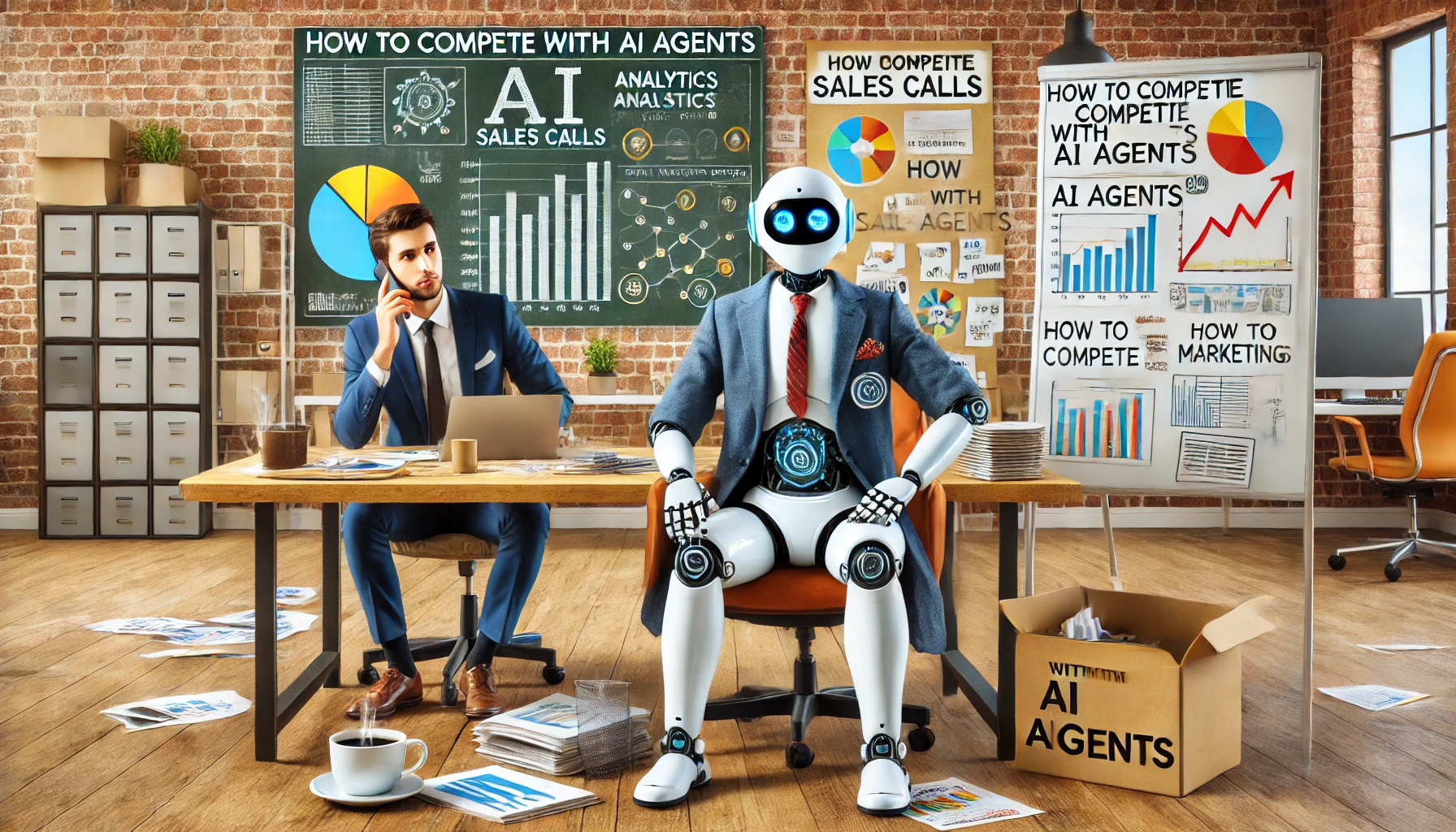
    Picture this: itโ€™s a Monday morning, and youโ€™re bracing yourself for a week of cold calls, awkward email follow-ups, and the soul-crushing joy of trying to make your marketing copy sound exciting. Enter AI agentsโ€”the shiny, techy new kids on the block who promise to take the grunt work off your plate. But before you start drafting their “Employee of the Month” plaque, letโ€™s break it down.

    AI agents are like your overachieving colleagues who never take a coffee break. Theyโ€™re software programs designed to handle tasks that normally suck up your timeโ€”think lead generation, customer interactions, and even predictive sales. These little digital dynamos can analyse data, personalise customer experiences, and follow up on leads faster than you can say, โ€œDid you get my last email?โ€ Theyโ€™re not just efficient; theyโ€™re tireless. They donโ€™t have to sleep, eat, or spend twenty minutes wondering if that one email is too pushy. Thatโ€™s both incredible and a little unsettling.

    Now, should we be worried? Well, that depends. On one hand, AI agents are a marketerโ€™s dream: efficient, data-driven, and completely immune to procrastination. On the other hand, thereโ€™s something a bit unsettling about machines being this good at our jobs. Are they here to help us level up, or are they quietly plotting to make us redundant? Perhaps theyโ€™re not plotting per se, but their presence does make us take a hard look at what we bring to the table.

    Spoiler: the answer is probably somewhere in the middle. AI agents can handle the repetitive stuff, but theyโ€™re not going to charm a tough client over coffee or whip up a last-minute pitch that wins over the boardroom. Theyโ€™re collaborators, not competitorsโ€”at least for now. So, letโ€™s call it a cautious friendshipโ€”just donโ€™t let them borrow your mug.

    How AI Agents Are Nailing Lead Generation (and Making Us Look Bad)

    Letโ€™s be honest: lead generation is the part of sales and marketing that most of us would happily outsource to anyoneโ€”or anything. Enter AI agents, who seem to be absolute naturals at the stuff we love to hate. Itโ€™s like they were designed for this. Oh wait, they were.

    Hereโ€™s the deal: AI agents can sift through mountains of data faster than you can finish your first cup of coffee. Theyโ€™re out there scouring the digital landscape, identifying potential leads, and even scoring them based on how likely they are to convert. Itโ€™s like having a hyper-efficient sales assistant who never complains about spreadsheets or asks for a lunch break. They donโ€™t just do the job; they crush it, and they do it without breaking a sweat.

    But it doesnโ€™t stop there. These digital prodigies donโ€™t just find leadsโ€”they know how to nurture them too. They can fire off personalised emails, track responses, and keep the conversation going without ever sounding bored (or, you know, human). Meanwhile, youโ€™re left wondering why your carefully crafted outreach campaign didnโ€™t get half as much engagement. Itโ€™s not just efficiency; itโ€™s like theyโ€™ve hacked into the algorithm of human attention spans.

    Should we feel threatened? Maybe a little. But hereโ€™s the twist: AI agents are brilliant at the grunt work, but theyโ€™re not exactly creative geniuses. They canโ€™t come up with a quirky tagline or build a genuine connection over a cheeky joke. Theyโ€™re toolsโ€”incredibly smart toolsโ€”but they still need humans to wield them effectively. So, while theyโ€™re crushing it on the technical front, they still need us humans for the magic touch. Or at least, thatโ€™s what weโ€™ll keep telling ourselves.

    Humans vs. AI Agents: The Ultimate Sales Showdown

    Picture this: itโ€™s you, a seasoned sales pro with years of experience, versus an AI agent thatโ€™s just a bunch of code and algorithms. Who wins? Well, it depends on the game. If itโ€™s “who can close a deal while stuck in traffic,” youโ€™ve got this. If itโ€™s “who can analyse 10,000 data points in 30 seconds,” maybe sit this one out.

    AI agents are like that annoyingly fit friend who runs marathons for funโ€”theyโ€™re built for endurance. They can process customer data, predict buying behaviour, and send perfectly timed follow-ups faster than you can log into your CRM. Their advantage? Efficiency. Your advantage? Youโ€™re not a robot (hopefully).

    Hereโ€™s the thing: AI agents can handle the technical side of sales like absolute pros, but theyโ€™re hopeless at building genuine relationships. They donโ€™t pick up on the subtle hesitation in a customerโ€™s voice or crack a joke to break the ice. They canโ€™t pull off the classic, โ€œLet me check with my managerโ€ move to buy time during a negotiation. They might be incredible at playing the numbers game, but the nuanced art of human interaction? Thatโ€™s still our domain.

    So, are we in direct competition? Not really. Think of AI agents as your secret weaponโ€”the Watson to your Sherlock, the wingman who sets up the deal so you can close it. Theyโ€™re great at the heavy lifting, but when it comes to sealing the deal with a smile, thatโ€™s still your territory. For now, anyway.

    Can AI Agents Really Build Relationships, or Is It Just Clever Code?

    Letโ€™s face itโ€”building relationships is the cornerstone of sales and marketing. Itโ€™s all about trust, empathy, and those little human touches that make customers feel like they matter. So where do AI agents fit into this? Can they really connect with people, or are they just faking it with some very convincing algorithms?

    AI agents are masters of mimicry. They can analyse customer data to predict preferences, craft personalised messages, and even respond in real time with a friendly tone that sounds almost human. Almost. Theyโ€™re like that overly polite customer service bot that almost makes you forget youโ€™re not talking to a real person. But โ€œalmostโ€ only gets you so far in sales.

    But hereโ€™s the catch: relationships arenโ€™t just about saying the right thing at the right time. Theyโ€™re about understanding context, reading between the lines, and, letโ€™s be honest, occasionally improvising when things go sideways. AI agents canโ€™t exactly empathise with a frustrated customer or share in the joy of someone closing their dream deal. Theyโ€™re more โ€œlogical problem solverโ€ than โ€œemotional support buddy.โ€ They can deliver the lines, but they canโ€™t feel the drama.

    That said, AI agents can do an incredible job of laying the groundwork. They can remember every customerโ€™s birthday, follow up without fail, and provide recommendations that actually make sense. The heavy lifting of maintaining a connection? Theyโ€™ve got it covered. But when it comes to the deep stuffโ€”the trust, the rapport, the jokes about how bad Mondays areโ€”thatโ€™s still your job. For now, youโ€™re safe. Probably. Unless they start programming them with a sense of humour.

    Why AI Agents Are the Personalisation Gurus We Didnโ€™t Know We Needed

    Ah, personalisationโ€”the holy grail of marketing. Everyone wants it, but doing it properly is like trying to remember everyoneโ€™s coffee order at the office. Enter AI agents, who make personalisation look so effortless itโ€™s almost annoying.

    These digital wizards donโ€™t just remember names; they dive deep into data. They know your customersโ€™ buying history, browsing patterns, and even what time theyโ€™re most likely to open an email. Creepy? Maybe a little. Useful? Absolutely. Itโ€™s like having a superpowered memory, without the burden of actually having to remember things yourself.

    Imagine this: a potential customer visits your website, browses a few products, and leaves without buying anything (classic). An AI agent swoops in, sends them a friendly email with a discount code for the exact product they were eyeing, and boomโ€”theyโ€™re back. Itโ€™s like having a personal shopper whoโ€™s also a mind reader. Theyโ€™re so good at it, you might even forget theyโ€™re not real.

    But donโ€™t worry, theyโ€™re not stealing your thunder entirely. While AI agents are brilliant at making customers feel like theyโ€™re the centre of the universe, theyโ€™re not great at the truly human stuffโ€”like picking up on sarcasm or knowing when to back off. They might nail the first impression, but sustaining a relationship is where the human touch still reigns supreme.

    So yes, AI agents might be personalisation pros, but they still need a little help from you to make the experience truly authentic. Think of it as a tag team: they handle the data-driven magic, and you bring the charm. Itโ€™s a win-win, reallyโ€”unless you hate being outshone by a robot. In which case, youโ€™re in for a rough time.

    The Not-So-Human Touch: AI and Customer Care

    Customer care is all about empathy, understanding, and being there for people when they need help. Itโ€™s warm, itโ€™s human, and, letโ€™s be honest, it can be a bit of a slog when youโ€™re dealing with the same question for the 10th time today. Enter AI agents, swooping in to save the dayโ€”or at least your sanity.

    AI agents excel at repetitive, soul-sapping tasks. Need to handle a flood of โ€œWhereโ€™s my order?โ€ queries? Theyโ€™ve got it. Want instant, 24/7 responses to FAQs? Consider it done. And letโ€™s not forget their unflappable patienceโ€”something even the most seasoned customer care rep struggles to maintain after a three-coffee morning. They donโ€™t get flustered, and they donโ€™t roll their eyes (metaphorically or otherwise).

    But hereโ€™s the kicker: while AI agents are great at spitting out accurate answers and following workflows, theyโ€™re not exactly overflowing with warmth. You know, the kind that makes a frustrated customer feel truly heard or adds a touch of humour to an otherwise dull interaction. Theyโ€™re like the colleague whoโ€™s technically brilliant but awkward at small talk. They can fix the problem, but they canโ€™t make the customer feel like theyโ€™ve just had a heart-to-heart.

    Thatโ€™s where you come in. AI agents can handle the basics, but theyโ€™ll never replace the value of a well-timed, โ€œI totally understand how frustrating this must be!โ€ or a cheeky joke about delivery delays caused by rogue pigeons (itโ€™s always the pigeons). They can handle the first layer, but when it comes to the warmth and creativity of a truly memorable customer experience, thatโ€™s all you.

    So, think of AI agents as the frontline workers who handle the heavy lifting, leaving you to sprinkle in the humanity. Itโ€™s a partnershipโ€”one that lets you keep your sanity while still being the hero your customers need. Together, youโ€™re an unbeatable team.

    AI Agents in Marketing: From Buzzwords to Actual Results

    Letโ€™s be real: โ€œAI agentsโ€ might sound like something your boss read in a trendy LinkedIn article and decided to bring up in the next meeting. But these buzzwordy marvels arenโ€™t just hypeโ€”theyโ€™re actually delivering the goods in marketing. Yes, even the sceptics have to admit it.

    AI agents are the ultimate multitaskers. Theyโ€™re running ad campaigns, analysing customer behaviour, and tweaking strategies on the fly like itโ€™s no big deal. You know how you stare at analytics dashboards trying to figure out why your click-through rate tanked? AI agents already know, and theyโ€™ve got three solutions ready to roll. Theyโ€™re like the marketing equivalent of an omnipresent assistant, always one step ahead.

    Take programmatic advertising, for example. While youโ€™re debating the perfect ad copy, AI agents are out there bidding on ad space in milliseconds, targeting the right audience with precision that feels borderline psychic. And donโ€™t even get me started on how they optimise campaigns in real timeโ€”because whoโ€™s got time to babysit a campaign 24/7? Not us.

    But hereโ€™s the fun part: while AI agents are great at crunching numbers and spotting trends, theyโ€™re not exactly Picasso. Creative ideas, killer branding, and that unique tone of voice? Still very much a human domain. So while theyโ€™re busy being the marketing equivalent of a Swiss Army knife, you get to focus on making things look and feel amazing. Thatโ€™s your territory, and itโ€™s not going anywhere.

    In short, AI agents arenโ€™t replacing marketersโ€”theyโ€™re making us look smarter. Or at least, giving us more time to drink coffee and pretend weโ€™ve got it all figured out. Itโ€™s a win for everyone involved, even if the robots take all the credit.

    Ethical Questions Nobodyโ€™s Asking About AI (Yet)

    Alright, so AI agents are revolutionising sales and marketing, automating all the boring bits, and generally making us look good. But before we start writing thank-you notes to our robot overlords, letโ€™s pause and ask: are there any downsides? Spoiler alert: there are always downsides.

    First up, privacy. AI agents thrive on dataโ€”personal data, customer behaviour data, basically any data they can get their virtual hands on. Sure, itโ€™s all for the greater good of personalisation and efficiency, but how much is too much? At what point does โ€œhelpful insightโ€ turn into โ€œcreepy stalker vibesโ€? Itโ€™s a fine line, and AI agents walk it every day.

    Then thereโ€™s the question of bias. AI agents may seem impartial, but theyโ€™re only as good as the data theyโ€™re trained on. If that data is flawed or biased, guess what? Your AI agents might end up perpetuating those same problems, just faster and on a bigger scale. Theyโ€™re not perfect, and neither are we, but the combination can sometimes amplify issues instead of solving them.

    And letโ€™s not forget accountability. When an AI agent makes a mistakeโ€”like sending a customer the wrong recommendation or, heaven forbid, a tone-deaf emailโ€”whoโ€™s to blame? The coder? The company? The robot? Itโ€™s a grey area, and one weโ€™re probably not ready for. With great power comes great responsibility, but AI agents havenโ€™t quite figured out how to shoulder that responsibility yet.

    So, while AI agents are undeniably cool and ridiculously efficient, theyโ€™re not without their ethical quirks. The question isnโ€™t just, โ€œHow can we use AI agents?โ€ but also, โ€œHow should we use them?โ€ Itโ€™s a big conversation, and one we should probably start before things get too Black Mirror. Just saying.

    The Future of Sales: Will AI Replace Us, or Just Make Us Lazier?

    Letโ€™s talk about the big, existential question: are AI agents here to help us or quietly phase us out while weโ€™re busy marvelling at their efficiency? Spoiler: itโ€™s complicated.

    On one hand, AI agents are the ultimate team players. Theyโ€™re handling repetitive tasks, automating workflows, and crunching numbers like thereโ€™s no tomorrow. All this means you get more time to focus on the fun stuffโ€”like brainstorming, closing big deals, or finally figuring out how to beat your inbox into submission. Theyโ€™re like the dream colleague youโ€™ve always wanted, except you donโ€™t have to buy them a birthday cake.

    On the other hand, thereโ€™s that lingering โ€œwhat if?โ€ What if AI agents get too good? What if they can predict customer behaviour so well they donโ€™t need you to step in and seal the deal? And what if they can write pitch emails so convincingly you start questioning your own skills? Itโ€™s a sobering thought, but one worth considering.

    But hereโ€™s the thing: sales and marketing arenโ€™t just about efficiency or data. Theyโ€™re about creativity, connection, and a bit of good old-fashioned charm. AI agents canโ€™t replicate the gut feeling that comes from years of experience or the genuine

  • AI Tools Are Your New Colleagues (and They are Smarter Than You)

    AI Tools Are Your New Colleagues (and They are Smarter Than You)

    Why AI Isnโ€™t Here to Steal Your Job (Yet)

    Imagine this: Youโ€™re hard at work, juggling a dozen tasks, when someone casually drops the news that AI tools are about to โ€œstreamlineโ€ your workload. The room gets a little colder. Your brain fast-forwards to a dystopian future where youโ€™re explaining your CV to a hiring bot.

    Relax. Itโ€™s not that deep.

    AI tools arenโ€™t here to nick your job and rename your desk. Theyโ€™re here to help you be better at the stuff youโ€™re already doingโ€”like an unpaid intern who never complains about the coffee runs. They handle the repetitive, brain-draining tasks that make you question your life choices, leaving you free to focus on the bits that actually require, you know, a brain.

    Sure, AI tools are scarily clever. They can write reports, crunch numbers, and even come up with snazzy marketing copy. But letโ€™s not kid ourselvesโ€”theyโ€™re not you. They canโ€™t think on their feet, build relationships, or come up with the perfect sarcastic comment in a meeting. Thatโ€™s your lane, and itโ€™s one theyโ€™ll never drive in.

    So instead of side-eyeing every algorithm, think of AI as a slightly overeager assistant. Itโ€™s not a rival; itโ€™s your backup. And, bonus, youโ€™ll never have to endure an awkward office party with it. Win-win.

    AI Tools: Your New Best Friend at Work (If You Let Them)

    Letโ€™s be honest, nobody wakes up in the morning thrilled about updating spreadsheets or wading through endless email threads. Enter AI tools, the overachieving colleague you never knew you needed. They donโ€™t take coffee breaks, never call in sick, and definitely wonโ€™t nick your lunch from the fridge.

    The beauty of AI tools is that theyโ€™re brilliant at the stuff youโ€™d rather not do. Need to sort a thousand customer queries? Theyโ€™ve got it. Want to automate those reports that magically appear at 5 pm every Friday? Done. Theyโ€™re like the work version of Mary Poppinsโ€”practically perfect in every way, but without the judgemental looks.

    Of course, letting AI into your workflow requires a bit of trust. At first, you might feel a bit awkward, like when you let someone else load your dishwasher and they mess up the system. But once you see how much time and energy they save, youโ€™ll wonder how you ever managed without them.

    The secret is to think of AI tools as teammates, not replacements. Theyโ€™re here to make your life easier, not to steal your thunder. And while they might be great at the grunt work, youโ€™re still the brains of the operation. So, sit back, delegate, and let your new โ€œcolleagueโ€ shineโ€”itโ€™s earned it. Well, sort of.

    Donโ€™t Panic: Outsmarting AI Tools (Itโ€™s Possible, Promise)

    Okay, so AI tools are cleverโ€”scarily clever. They can whip up presentations, schedule meetings, and even predict market trends while youโ€™re still hunting for the right Zoom background. But before you throw your hands up and assume theyโ€™re better at everything, let me let you in on a little secret: you can outsmart them.

    Hereโ€™s the thing about AI toolsโ€”theyโ€™re fast, efficient, and, yes, occasionally smug about it. But theyโ€™re only as good as the data theyโ€™re fed and the tasks theyโ€™re programmed to do. They donโ€™t have your instinct, your creativity, or your ability to tell when Karen from accounting is having one of those days. Thatโ€™s where youโ€™ve got the upper hand.

    The trick is knowing how to play to your strengths. Be the creative genius AI canโ€™t replicate. Ask the bold questions that no algorithm would dare. And when the AI misses somethingโ€”because it willโ€”be the person who swoops in to save the day. Thereโ€™s nothing quite like showing the robot whoโ€™s boss.

    So donโ€™t panic. Use AI tools to your advantage, keep your human edge sharp, and every now and then, outshine the machine. Itโ€™s good for morale. Yours, mostly.

    The Art of Teaming Up: Humans + AI Tools = Dream Team

    Picture this: you and your AI tool, side by side, conquering tasks like a dynamic duo. Think Batman and Robin, except Robin can run analytics at lightning speed and doesnโ€™t need a costume change. Thatโ€™s the power of a well-balanced partnership.

    The key to making it work? Playing to each otherโ€™s strengths. AI tools are amazing at processing data, automating repetitive tasks, and spotting patterns youโ€™d miss even after your third coffee. Meanwhile, you bring creativity, emotional intelligence, and the ability to think in grey areas where AI only sees black and white.

    But like any team, it takes a little effort to find your rhythm. Youโ€™ve got to trust the AI to do its thing (even if it feels weird to let go of control) and focus on the bits it canโ€™t touchโ€”strategy, storytelling, and good old-fashioned human judgement. And hey, if something goes wrong, youโ€™ll still be the one with the last word. AI might be smart, but itโ€™s not the boss.

    So embrace the partnership. Let AI tools take the grunt work off your plate, and use that extra time to shine where it really counts. Together, youโ€™ll be unstoppableโ€”or at least make work a lot less stressful.

    Avoiding the Trap of Over-Reliance on AI

    Ah, the sweet allure of letting AI tools do all the work. Theyโ€™re efficient, reliable, and never complain about tight deadlines. Before you know it, youโ€™re tempted to offload everything onto your new digital sidekick while you kick back and scroll through cat memes. But hold upโ€”thereโ€™s a catch.

    Relying too heavily on AI tools can turn into a slippery slope. Sure, theyโ€™re great at crunching numbers and automating workflows, but what happens when something goes wrong? An algorithm glitch, a dodgy data set, or an unexpected problem that requires good old human ingenuity? Thatโ€™s where things get tricky.

    The best way to avoid this trap is to keep your skills sharp. Stay curious, keep learning, and make sure you understand whatโ€™s happening behind the AI magic. Think of it as a partnership where youโ€™re still the lead, not a hands-off manager. After all, AI canโ€™t replace the creativity, intuition, and people skills that make you indispensable.

    So use AI tools, love them even, but donโ€™t let them become a crutch. Stay involved, keep your expertise fresh, and rememberโ€”youโ€™re the brains of this operation. The AI? Just the assistant. No offence, robot pal.

    Upskilling in the Age of AI: Be the Human Your AI Needs

    Letโ€™s face it: AI tools are getting smarter by the day. They can churn out reports, predict trends, and even generate half-decent jokes (though theyโ€™re still no match for your office banter). So, where does that leave you? Hopefully, levelling up.

    In this brave new world of AI-assisted work, the secret to staying relevant is upskilling. Donโ€™t panicโ€”this isnโ€™t about learning to code overnight or memorising complex algorithms. Itโ€™s about sharpening the skills that make you uniquely human. Creativity, critical thinking, adaptabilityโ€”those are your superpowers, and no AI can replicate them.

    At the same time, get familiar with the tools themselves. Learn how they work, what they can do, andโ€”more importantlyโ€”what they canโ€™t. Understanding their limits puts you in a position of strength. Youโ€™re not just using the AI; youโ€™re leading it, directing it, and occasionally rolling your eyes when it gets something hilariously wrong.

    Upskilling doesnโ€™t mean turning into a tech wizard. Itโ€™s about staying curious, embracing change, and ensuring youโ€™re always one step ahead of your robot colleague. After all, youโ€™re the human here. And thatโ€™s a role no AI can play.

    AI Tools Can Crunch Numbers, But Can They Build Relationships?

    Hereโ€™s the thing about AI tools: theyโ€™re brilliant with data, hopeless with people. Sure, they can analyse customer feedback or predict market trends, but try getting an algorithm to build trust with a client or defuse tension during a tricky team meeting. Spoiler alert: itโ€™s not happening.

    This is where you, the human, come in. Your ability to connect, empathise, and read the room is something no AI tool can touch. Relationships arenโ€™t built on numbers; theyโ€™re built on shared experiences, understanding, and the occasional terrible joke to lighten the mood. AI tools might be great at providing insights, but youโ€™re the one who makes those insights meaningful.

    Think of it like this: AI is the sous chef who preps all the ingredients, but youโ€™re the one who creates the dish. The magic happens when your emotional intelligence and creativity meet the AIโ€™s precision and efficiency.

    So while your robot colleague might be great at the technical stuff, itโ€™ll never replace the human touch. Keep nurturing those connections, and youโ€™ll always be the MVP of the teamโ€”even if the AI doesnโ€™t know what MVP stands for.

    What AI Tools Get Wrong (and How You Can Shine by Fixing It)

    Letโ€™s not sugar-coat itโ€”AI tools, for all their brilliance, do mess up. They might misinterpret data, spit out hilariously wrong insights, or completely miss the subtle nuances that humans pick up without even trying. Itโ€™s not that theyโ€™re lazy (they never sleep, after all); theyโ€™re just, well, machines.

    Hereโ€™s the good news: every time an AI tool stumbles, itโ€™s your chance to swoop in and save the day. Maybe itโ€™s a report that doesnโ€™t quite add up or an automated response that sounds colder than a January morning. Whatever it is, your human instincts can spot the flaws and fix them in a way no algorithm could manage.

    In fact, these gaps are your secret weapon. They show exactly where AI tools fall short and where you shine brightest. Use them to your advantage. While the AI does the grunt work, you can focus on bringing context, creativity, and common sense to the tableโ€”the stuff no bot will ever master.

    So, when AI gets it wrong (and it will), donโ€™t see it as a failure. See it as an opportunity to remind everyone, including your robot colleague, why humans are still the ones running the show. For now, anyway.

    Working Smarter, Not Harder: Making AI Tools Work for You

    Hereโ€™s the thing about AI tools: theyโ€™re only as good as how you use them. Treat them like a fancy gadget you barely understand, and theyโ€™ll be about as useful as a paperweight. But take the time to master them, and suddenly youโ€™re the office productivity wizard, leaving everyone else wondering how you get so much done.

    The trick is knowing what to hand over and what to keep for yourself. Let the AI handle the mundane, repetitive tasksโ€”the scheduling, data crunching, and endless form-filling. Meanwhile, you focus on the big picture stuff: creative strategies, problem-solving, and charming your way through tricky client calls.

    The best part? The more you lean into what AI tools do best, the more time you free up to focus on what you do best. And thatโ€™s not just good for your outputโ€”itโ€™s good for your sanity. No more drowning in admin when you could be, you know, actually enjoying your job.

    So, donโ€™t just work harder. Work smarter. Let AI tools take some of the load, and youโ€™ll be left with the energy and brainpower to absolutely crush everything else. Youโ€™ve got this. And hey, if the AI starts feeling underappreciated, maybe thank it once in a while. Robots like praise tooโ€ฆ probably.

  • Staying Sane in a Hybrid Workplace

    Staying Sane in a Hybrid Workplace

    Hybrid Workplace: The Best of Both Worlds… or Just Double the Chaos?

    Ah, the hybrid workplaceโ€”hailed as the future of work and the saviour of the modern employee. You get to work from home in your pyjamas and have awkward small talk with Steve from accounting in the office kitchen. Sounds dreamy, right? Well, sort of.

    In theory, itโ€™s the perfect balance. One day youโ€™re sipping coffee at your kitchen table, revelling in the joy of not having to commute, and the next, youโ€™re at a desk thatโ€™s not also doubling as your dining table. But letโ€™s not pretend itโ€™s all sunshine and productivity. The hybrid workplace, as lovely as it sounds, is often like trying to live in two worlds at once, and neither world is willing to cooperate fully.

    Hybrid work can sometimes feel like juggling flaming torches while riding a unicycle. One moment, youโ€™re conquering spreadsheets in peace, and the next, your Wi-Fi decides to remind you whoโ€™s really in charge. Your kitchen table becomes your boardroom, and your actual office starts to feel like an unfamiliar territory. And then thereโ€™s the mental gymnastics of figuring out which days are โ€œoffice daysโ€ and which are โ€œhome daysโ€โ€”God forbid you show up in the wrong location. Cue the frantic reshuffling of plans, accompanied by a side of mild panic.

    Of course, there are perks. Flexibility is the holy grail, after all. But with great freedom comes the responsibility to, you know, actually work. And letโ€™s not forget the sneaky guilt that creeps in when youโ€™re at home and feel like you need to โ€œproveโ€ youโ€™re working just as hard. Itโ€™s an endless loop of overcompensation and second-guessing.

    So, is the hybrid workplace the best of both worlds or a chaotic compromise? Honestly, itโ€™s a bit of both. But hey, at least it keeps us on our toesโ€”and our Wi-Fi routers on high alert. Just remember: itโ€™s all about finding your personal balance in the madness.

    Boundaries, Schmoundaries: Surviving the Hybrid Work Juggle

    Ah, boundaries. That magical concept they tell you about in self-help books and TED Talks. In a hybrid workplace, though, boundaries are more like polite suggestions than actual rules. They existโ€”sort ofโ€”but mostly just to be broken.

    At home, your โ€œofficeโ€ might be a corner of your living room, strategically angled to hide the laundry pile during Zoom calls. Itโ€™s not exactly the pinnacle of professional vibes, but itโ€™ll do. And in the office? Well, itโ€™s not much better. People pop over to your desk as if you werenโ€™t just deep into an email titled โ€œUrgent: For Immediate Review,โ€ and somehow, a five-minute interruption snowballs into a lost hour.

    The real fun begins when the lines between work and personal life blur into a big, messy tangle. You start checking emails at 10 p.m. because, technically, your laptopโ€™s right there. And letโ€™s not even talk about the guilt when you leave your desk for a snackโ€”or worse, a quick nap. (Pro tip: if itโ€™s under 15 minutes, itโ€™s โ€œstrategic restingโ€ and totally justifiable.)

    So, whatโ€™s the secret to juggling all this without losing your mind? Apparently, itโ€™s all about โ€œsetting clear boundaries.โ€ Easier said than done when your cat decides your keyboard is the ideal napping spot, or your boss โ€œjust quicklyโ€ messages you on Teams after hours.

    The trick, they say, is to be firm. Log off when the workday ends (ha!). Resist the urge to check your emails in bed (double ha!). And if all else fails, just blame the Wi-Fi. After all, no boundaries = no stress, right? Right?? Well, letโ€™s just say itโ€™s a work in progress.

    Talking to Humans Again: Communication Tips for Hybrid Life

    Remember when communicating with colleagues meant turning your chair slightly to the left and asking a question? Yeah, those were the days. Now, in the hybrid workplace, itโ€™s a dazzling mix of in-person chats, emails, Slack messages, and the occasional cryptic post-it note. Communication has never been more complicated, or frankly, more hilarious.

    On remote days, youโ€™re decoding your managerโ€™s โ€œCan we chat?โ€ message, oscillating between thinking youโ€™re getting a promotion or being fired. (Itโ€™s usually neither, but the panic is real.) In the office, itโ€™s all about awkwardly hovering outside someoneโ€™s cubicle, trying to gauge if theyโ€™re free without accidentally startling them. Office life: still a minefield.

    The real challenge? Finding a rhythm that works for everyone. Some people are email warriors, firing off detailed essays that make War and Peace look concise, while others want to hop on a quick call (spoiler: itโ€™s never quick). Then there are the video calls, where half the team is on mute, and the other half is dealing with toddlers, barking dogs, or the worldโ€™s loudest leaf blower outside their window.

    The key to surviving this communication circus? Over-communicate. And no, that doesnโ€™t mean sending a 12-paragraph email about your lunch break. It means being clear, concise, and maybe even adding a smiley face once in a while. Everyone loves a smiley face. Itโ€™s the universal sign for โ€œIโ€™m not mad, I promise.โ€

    And donโ€™t forget to embrace the awkwardness. Hybrid communication is messy, weird, and occasionally involves yelling โ€œCan you hear me?โ€ into the void. But hey, at least it keeps things interesting. After all, isnโ€™t it nice to have a few stories for the next virtual happy hour?

    Hybrid Workplace Burnout: When Both Your Desk Chair and Couch Betray You

    Ah, burnoutโ€”the gift that keeps on giving. In a hybrid workplace, it sneaks up on you in new and creative ways, like a surprise party you never asked for. One minute, youโ€™re feeling productive and smug about your flexible setup; the next, youโ€™re lying on the floor wondering how it all went wrong.

    At home, the line between work and life dissolves faster than your morning coffee. You tell yourself, โ€œJust one more email,โ€ and suddenly itโ€™s 8 p.m., and youโ€™re still in your pyjamas (the same ones you started the day in). The sofa becomes your sanctuary and your nemesis all at once. In the office, itโ€™s the dreaded back-to-back meetings, where โ€œlunch breakโ€ means a granola bar inhaled between PowerPoint slides.

    The hybrid setup also has this delightful way of making you feel like you should always be โ€œon.โ€ If youโ€™re at home, you overcompensate to prove youโ€™re working. If youโ€™re in the office, you overcompensate to prove you still belong there. Itโ€™s a vicious cycle of overcompensating and under-napping. And the worst part? Burnout doesnโ€™t announce itselfโ€”it creeps up on you, slow and sneaky.

    So, how do you dodge the burnout bullet? Start with the basics: take actual breaks (not just scrolling on your phone), set some real work hours, and donโ€™t feel bad about ignoring that late-night โ€œurgentโ€ email. Pro tip: If you canโ€™t tell the difference between work fatigue and life fatigue, itโ€™s probably time to step away from both.

    Remember, a hybrid workplace is supposed to give you the best of both worldsโ€”not drain the life out of both. Look after yourself, even if that means sneaking in an occasional midday nap. Your couch wonโ€™t tell. And hey, if anyone asks, just call it โ€œrestorative productivity.โ€

    Routines Are Cool, Until Theyโ€™re Not: Hybrid Edition

    We all love a good routineโ€”or at least the idea of one. In the hybrid workplace, though, routines are more of a moving target than a solid plan. Monday might mean an early commute to the office, while Tuesdayโ€™s โ€œroutineโ€ is trying to remember which drawer you put the good coffee in at home. By Wednesday, all bets are off.

    The trouble with hybrid work is that just when you think youโ€™ve nailed down a groove, it flips the script. You plan your week around in-office days, only to find out thereโ€™s a last-minute โ€œoptional but not really optionalโ€ meeting on your remote day. Fun!

    And letโ€™s not forget the morning scramble. On home days, youโ€™re smugly skipping the commute, only to realise your first meeting starts in two minutes, and youโ€™re still in bed. On office days, itโ€™s a mad dash to remember your laptop, charger, and the 17 other things you forgot last time.

    People say routines are the secret to hybrid work success. Sure, if your life is a Pinterest board. For the rest of us, itโ€™s about winging it with a vague sense of structure. Maybe you aim to start work at the same time each day. Maybe you finally embrace meal prepping. Or maybe you just accept that โ€œroutineโ€ sometimes means knowing where your headphones are.

    The beauty of hybrid work is that no two days are the same. So, if your routine is more โ€œchaos but make it functionalโ€ than โ€œcalm and organised,โ€ youโ€™re doing just fine. And if all else fails, keep snacks nearbyโ€”youโ€™d be amazed what a well-timed biscuit can do for morale.

    Watercooler Chats and Zoom Winks: Building Office “Friendships” in a Hybrid World

    Making friends at work was already a delicate dance, and then the hybrid workplace came along and turned it into an interpretive performance. Half the time, your colleagues are in the office; the other half, theyโ€™re just floating heads on a Zoom call. Bonding has never been so…awkward.

    Gone are the days of casually bumping into someone at the coffee machine and forming a lifelong connection over your mutual hatred of the office printer. Now, youโ€™re navigating a strange mix of in-person small talk and digital pleasantries, where emojis have replaced actual facial expressions. And letโ€™s be honestโ€”not all of us are emoji artists.

    Hybrid friendships take effort. Like, actual effort. You have to remember whoโ€™s in on which days, schedule coffee chats that donโ€™t feel forced, and hope that the person youโ€™ve been bantering with on Slack isnโ€™t completely different in real life (spoiler: they probably are). And if theyโ€™re not? Congratulations, youโ€™ve found a unicorn.

    And then there are the office socialisersโ€”the ones who want to plan team lunches or after-work drinks. Lovely people, really, but they always seem to forget that half the team is at home wearing slippers and wouldnโ€™t dream of coming into the office for a pub quiz.

    Still, thereโ€™s something oddly charming about hybrid camaraderie. Itโ€™s finding a colleague who shares your exact level of Zoom sarcasm or bonding over the fact that you both showed up to the office on a public holiday (oops). The connections are still thereโ€”you just have to work a little harder to find them. And hey, the occasional awkward encounter is a small price to pay for a work buddy whoโ€™s just as tired of video calls as you are.

    So, next time youโ€™re in a hybrid funk, send that Slack message, join the virtual happy hour, or actually say hi to Steve from accounting. Who knows? Maybe hybrid friendship isnโ€™t so impossible after all.

    Home Office vs Hybrid Workplace: Who Wins the Distraction Olympics?

    In one corner, we have the home officeโ€”a haven of flexibility where youโ€™re technically the boss of your own schedule. In the other corner, the hybrid workplace, where structure battles it out with chaos on a daily basis. And in the middle? You, trying to stay sane while distractions come at you from all sides.

    At home, itโ€™s a parade of temptations: the snack cupboard, the Netflix tab you definitely didnโ€™t mean to open, and the mysterious allure of cleaning the oven (because suddenly, thatโ€™s urgent). And letโ€™s not even mention your pets, children, or overly chatty neighbours. Home office distractions? Undefeated.

    But donโ€™t be fooledโ€”the office isnโ€™t exactly a productivity utopia. Thereโ€™s the colleague who โ€œjust has a quick questionโ€ that lasts 40 minutes, the impromptu team meetings, and the endless hunt for a quiet spot to actually get work done. Oh, and letโ€™s not forget the lunch-hour oversharer who insists on telling you their life story while you try to eat your sandwich in peace.

    The hybrid setup combines the best (and worst) of both worlds. One day, youโ€™re fighting off the urge to reorganise your bookshelves; the next, youโ€™re dodging office interruptions like a pro. The distractions may change, but the struggle remains the same.

    So, who wins this epic battle of distractions? Honestly, neither. But the real trick isnโ€™t eliminating distractionsโ€”itโ€™s learning to live with them. Whether youโ€™re at home, in the office, or somewhere in between, just remember: a little chaos keeps things interesting. At least, thatโ€™s what weโ€™re telling ourselves. And honestly? If youโ€™ve managed to tick even one thing off your to-do list, thatโ€™s a win.

    Mental Health Check: When the Hybrid Workplace Starts to Feel Too Hybrid-y

    Letโ€™s face itโ€”hybrid work sounds great until it feels like your brain has gone on strike. One day youโ€™re thriving with all the flexibility, and the next, youโ€™re crying into your coffee because your calendar looks like a game of Tetris. Spoiler: this is your sign to check in on your mental health.

    The hybrid workplace comes with its own set of emotional gymnastics. At home, you can feel isolatedโ€”just you, your laptop, and the growing existential dread of unanswered emails. In the office, itโ€™s the opposite: overstimulation from fluorescent lights, noisy colleagues, and the endless buzz of phones. Balance? Never heard of her.

    Then thereโ€™s the hybrid guilt. If youโ€™re at home, you feel like you should be in the office. If youโ€™re in the office, you miss the comforts of home. And donโ€™t even get started on the constant pressure to โ€œmaximise productivityโ€ in both places. (Quick tip: sometimes โ€œmaximising productivityโ€ means taking a nap. Seriously.)

    So, how do you stay sane in this hybrid circus? Start small. Build in mini breaks. Go for a walk, even if itโ€™s just to the fridge. Set boundaries that youโ€™ll probably break but at least tried to stick to. And above all, cut yourself some slackโ€”because navigating two worlds isnโ€™t easy.

    When the hybrid workplace starts to feel a little too hybrid-y, remember that youโ€™re not alone. Everyoneโ€™s figuring it out as they go. The key is to prioritise yourself, even if that means cancelling that one meeting just to stare out of a window for a bit. You deserve it. And if anyone asks, itโ€™s part of your โ€œwellness strategy.โ€

    Tools and Tech to Thrive (or Just Survive) in a Hybrid Workplace

    Ah, technologyโ€”the hybrid workplaceโ€™s best friend and worst enemy. It promises to make life easier, but letโ€™s be honest, itโ€™s also the reason you spent 20 minutes last week yelling, โ€œWhy wonโ€™t this document attach?โ€ at your screen.

    From communication tools to productivity apps, the hybrid world runs on tech. Slack, Teams, Zoom, Asanaโ€”you name it, thereโ€™s a platform for it. Theyโ€™re supposed to streamline everything, but sometimes it feels like you need a PhD just to figure out which button to press.

    Then thereโ€™s the hardware. Your trusty laptop? Overworked. Your webcam? Positioned at the most unflattering angle possible. And donโ€™t even get started on the Wi-Fiโ€”because of course it crashes the moment your boss says, โ€œCan I share my screen?โ€

    But letโ€™s not throw the tech under the bus entirely. There are gems out there that genuinely make life easier. Noise-cancelling headphones? Essential for blocking out both office chatter and your neighbourโ€™s DIY project. A good task manager? Keeps you on track (most of the time). And donโ€™t underestimate the power of a second monitorโ€”itโ€™s like a productivity superpower.

    The key to surviving hybrid tech chaos is to keep it simple. Find the tools that actually work for you (spoiler: you donโ€™t need all 37 apps your company suggests) and master the basics. And when it all inevitably goes wrong? Blame the Wi-Fi and take a coffee break. Sometimes, survival is as good as it gets.

  • Customer Retention Strategies in the Banking Industry

    Customer Retention Strategies in the Banking Industry

    Why Customer Retention Strategies in the Banking Industry Matter More Than Ever

    Letโ€™s face itโ€”keeping your customers happy has always been important. But in the banking industry, where competition is as fierce as a Black Friday sale, customer retention isnโ€™t just a nice-to-have; itโ€™s a full-on survival tactic.

    These days, customers have more options than ever. One frustrating experience or a single poorly-timed fee, and your once-loyal client is off to another bank, waving goodbye with their direct debits in tow. Add the rise of fintech disruptors, and suddenly it feels like traditional banks are playing a never-ending game of catch-up.

    But hereโ€™s the thing: itโ€™s not all doom and gloom. Smart retention strategies can make all the difference. By focusing on building trust, improving personalisation, and offering a seamless experience, banks can not only keep their customers but turn them into loyal advocates.

    After all, itโ€™s far cheaper to keep a happy customer than to find a new one. So, if your bank isnโ€™t investing in customer retention, it might be time to have a word with the teamโ€”before your clients have a word with your competitors.

    Understanding the Cost of Losing Customers

    Ever heard the saying, “You donโ€™t know what youโ€™ve got till itโ€™s gone”? Well, in banking, losing a customer isnโ€™t just about missing their smiling face at the branch. Itโ€™s about lost revenue, reduced market share, and the hefty price tag of replacing them.

    Think about it: acquiring a new customer costs five to seven times more than retaining an existing one. Add to that the lifetime value of a loyal client, and suddenly that minor complaint about a transaction fee feels a lot more significant.

    When a customer leaves, theyโ€™re not just taking their moneyโ€”theyโ€™re taking their potential referrals, their product upgrades, and, letโ€™s be honest, a little bit of your pride. Worse still, they might end up in the arms of a rival bank thatโ€™s all too happy to roll out the red carpet.

    So, if retention isnโ€™t already top of the agenda, it should be. Because in this industry, losing customers doesnโ€™t just hurtโ€”it costs. And the price tag is one you donโ€™t want to pay.

    Personalisation as a Pillar of Customer Retention Strategies in the Banking Industry

    Gone are the days when a generic “Dear Valued Customer” email would cut it. These days, personalisation is the name of the game, and if your bank isnโ€™t playing, your customers might already be looking elsewhere.

    People want to feel like more than just an account number. They crave services tailored to their needs, recommendations that actually make sense, and the sense that their bank gets them. Whether itโ€™s suggesting a savings plan that fits their spending habits or sending a birthday greeting that doesnโ€™t feel like a robot wrote it, personalisation builds loyalty like nothing else.

    And itโ€™s not just about warm fuzziesโ€”itโ€™s good business. Customers are more likely to stick around when they feel understood and valued. Plus, personalised interactions lead to cross-selling opportunities and higher engagement.

    So, if youโ€™re still treating customers like faceless data points, itโ€™s time to rethink your approach. Because in the world of customer retention strategies in the banking industry, personalisation isnโ€™t optionalโ€”itโ€™s essential.

    Leveraging Technology to Strengthen Retention Efforts

    If thereโ€™s one thing that screams “modern banking,” itโ€™s technology. And when it comes to customer retention strategies in the banking industry, tech isnโ€™t just a nice add-onโ€”itโ€™s the backbone of everything.

    From AI-powered chatbots that solve problems faster than you can say “customer service queue” to mobile apps that make managing finances feel almost fun, technology is what keeps customers engaged. People want convenience, speed, and security, and they want it all in the palm of their hand.

    But hereโ€™s the kicker: just having the tech isnโ€™t enough. It needs to actually workโ€”and work well. A glitchy app or a clunky online banking experience is a surefire way to drive customers into the arms of a slicker competitor.

    Embrace innovation, invest in user-friendly design, and keep evolving. Because when your tech works for your customers, theyโ€™ll stick aroundโ€”and maybe even rave about you to their friends. Who knew retention could be so… digital?

    Building Trust: A Non-Negotiable Element of Customer Retention Strategies in the Banking Industry

    Trust and banking go together like tea and biscuitsโ€”without it, the whole thing just falls apart. Letโ€™s be honest: no one is going to stick with a bank they donโ€™t trust. And in an era of data breaches, hidden fees, and fine print that requires a magnifying glass, trust can feel like a rare commodity.

    Customers need to know their money is safe, their data is protected, and their bank isnโ€™t trying to pull a fast one. Transparency is keyโ€”clear communication about fees, interest rates, and policies goes a long way in building confidence.

    But itโ€™s not just about avoiding negative headlines. Proactively demonstrating reliabilityโ€”whether itโ€™s handling disputes fairly, offering sound financial advice, or simply being there when customers need helpโ€”cements loyalty.

    In the world of customer retention strategies in the banking industry, trust isnโ€™t just a nice bonus; itโ€™s the foundation. And without it, no amount of clever marketing or fancy tech will keep your customers from heading for the exit.

    Proactive Communication: Staying Ahead of Customer Needs

    Letโ€™s face it: no one enjoys feeling like theyโ€™re shouting into the void, especially when it comes to their money. Thatโ€™s why proactive communication is one of the unsung heroes of customer retention strategies in the banking industry.

    Donโ€™t wait for your customers to come to you with questions, complaints, or requestsโ€”anticipate their needs before they even know they have them. Whether itโ€™s sending a heads-up about potential overdraft fees, offering a personalised loan option, or providing timely fraud alerts, proactive communication builds trust and keeps customers feeling valued.

    And itโ€™s not just about problem-solving; itโ€™s about creating opportunities. A quick message about how to maximise savings or improve credit scores isnโ€™t just helpfulโ€”itโ€™s relationship-building.

    Remember, silence isnโ€™t golden in banking. The more engaged and informed your customers feel, the more likely they are to stay loyal. Because when it comes to retention, staying one step ahead makes all the difference.

    Loyalty Programmes That Actually Work

    Letโ€™s be realโ€”loyalty programmes in banking often feel a bit… uninspired. Points you canโ€™t figure out how to redeem, rewards you donโ€™t actually want, or hoops to jump through just to see any benefit. Not exactly a recipe for customer retention, is it?

    But hereโ€™s the thing: loyalty programmes can be a game-changer, as long as theyโ€™re done right. Think cashback on everyday purchases, reduced fees for long-term customers, or better interest rates for loyal savers. Give customers something they actually value, and theyโ€™ll think twice before moving their accounts elsewhere.

    Itโ€™s not just about perks, thoughโ€”itโ€™s about making customers feel recognised. Tailored rewards based on spending habits or financial goals show that your bank cares about more than just their bottom line.

    So, ditch the gimmicks and focus on what customers genuinely want. Because in the world of customer retention strategies in the banking industry, loyalty is earnedโ€”not assumed.

    How Data Analytics Shapes Customer Retention Strategies in the Banking Industry

    If data is the new oil, then analytics is the refinery turning it into something valuableโ€”especially when it comes to customer retention strategies in the banking industry. With the right insights, banks can understand their customers better than ever and, more importantly, act on it.

    From tracking spending habits to predicting when a customer might need a loan, data analytics helps banks anticipate needs and provide tailored solutions. Itโ€™s not just about solving problems after they happenโ€”itโ€™s about preventing them altogether.

    Got a customer whoโ€™s been unusually quiet? Maybe theyโ€™re about to churn. Noticing someone frequently travels abroad? A quick nudge about your travel-friendly credit card might just keep them loyal.

    But beware: with great data comes great responsibility. Misusing or overstepping boundaries can erode trust faster than you can say “privacy breach.” Keep it ethical, secure, and customer-focused, and your retention strategy will thank you for it.

    In short, data analytics isnโ€™t just a buzzwordโ€”itโ€™s a powerhouse for building stronger, longer-lasting customer relationships. Use it wisely.

    Creating Seamless Customer Experiences Across Channels

    Letโ€™s paint a picture: a customer starts a loan application online, gets stuck halfway, calls your helpline, and has to explain their entire situation from scratch. Sound familiar? Itโ€™s the kind of clunky experience that makes customers question their loyaltyโ€”and their patience.

    Seamless experiences across channels are no longer optional; theyโ€™re a cornerstone of customer retention strategies in the banking industry. Whether itโ€™s mobile apps, online portals, phone support, or in-branch visits, customers expect the same smooth, cohesive service wherever they go.

    That means their data should flow effortlessly between channels, their interactions should feel consistent, and switching from one touchpoint to another should be, well, effortless.

    The reward? Customers who feel valued and understood. And letโ€™s be honest: a bank that makes life easier is a bank people stick with. So, if your systems arenโ€™t talking to each other, itโ€™s time to make some introductions. Because seamlessness isnโ€™t just a buzzwordโ€”itโ€™s a loyalty magnet.

  • SEO Visibility: Unlocking Your Website’s Full Potential

    SEO Visibility: Unlocking Your Website’s Full Potential

    What Is SEO Visibility and Why Does It Matter?

    Ah, SEO visibility โ€“ the mysterious metric that everyone talks about but few truly understand. At its core, SEO visibility is a measure of how often your website appears in search engine results, compared to all the times it could appear. Think of it as your siteโ€™s spotlight moment on the vast internet stage. The higher your SEO visibility, the more your site is showing up where it matters โ€“ in front of people actively searching for what you offer.

    But why does it matter? Simple: visibility equals traffic, and traffic equals potential customers, fans, or followers. Without decent SEO visibility, your website is like a shop in a dark alley โ€“ full of potential, but no oneโ€™s finding it. Improving your visibility means youโ€™re lighting up the path, attracting more eyes, and hopefully, turning those visits into meaningful interactions. Plus, itโ€™s not just about traffic; it’s about credibility. High visibility often means youโ€™re doing something right in Googleโ€™s eyes โ€“ and letโ€™s face it, we all want Google to approve of us.

    So, ready to stop lurking in the digital shadows and start shining? Letโ€™s get to it!

    How to Measure SEO Visibility for Your Website

    Right, letโ€™s talk numbers โ€“ because SEO visibility isnโ€™t just a vague concept; itโ€™s something you can actually measure (hooray for metrics!). Essentially, SEO visibility is expressed as a percentage, showing how much of the available search “real estate” your site occupies for a given set of keywords.

    To get a grip on this, youโ€™ll need a tool โ€“ because eyeballing it just wonโ€™t cut it. Platforms like SEMrush, Ahrefs, or Sistrix are your best mates here. They track keyword rankings, compare them to the total search volume, and spit out that magical percentage. For example, if your visibility is 10%, it means youโ€™re snagging 10% of all potential clicks for those keywords. Room for improvement, maybe?

    And letโ€™s not forget Google Search Console. It wonโ€™t give you a visibility percentage, but it does provide loads of insights on impressions, click-through rates, and average positions. Combine that with your keyword strategy, and youโ€™re well on your way to understanding where you stand.

    So, go on, take the plunge. Measure your visibility and figure out if your site is the digital equivalent of a bustling high street shop or, well, that dodgy kiosk no one wants to visit.

    Top Tools for Analysing SEO Visibility

    Alright, so youโ€™ve decided to take SEO visibility seriously. Good for you! But before you start squinting at random data, letโ€™s talk tools โ€“ because doing this manually? Not a vibe.

    Hereโ€™s the deal: there are loads of SEO tools out there, but a few really stand out when it comes to analysing SEO visibility. First up, SEMrush โ€“ the Swiss Army knife of SEO. Itโ€™s perfect for tracking visibility, monitoring keyword rankings, and even spying on your competitors (ethically, of course). Then thereโ€™s Ahrefs, which is brilliant for backlink insights and keyword research โ€“ two pillars of solid visibility.

    Sistrix is another superstar, especially if youโ€™re after a clean, easy-to-understand visibility index. Itโ€™s widely used in Europe and excels at showing trends over time. For those who love all things Google, Search Console is a must. While it doesnโ€™t give you a single visibility score, itโ€™s excellent for tracking impressions, clicks, and average ranking positions.

    Oh, and letโ€™s not forget Moz and Rank Tracker โ€“ solid choices for visibility tracking without overwhelming you with too many features. Pick one (or more, if youโ€™re feeling fancy), and youโ€™ll have the clarity you need to improve your SEO game. Tools are your friends โ€“ use them wisely!

    Boosting Your Search Visibility Through Quality Content

    Hereโ€™s the thing: no amount of clever SEO tricks will help if your content is about as exciting as a damp tea towel. Quality content is the beating heart of SEO visibility. Why? Because search engines (and your audience) crave it. Itโ€™s what keeps people on your site, makes them share your stuff, and ultimately convinces Google that youโ€™re worth showing off.

    Start with the basics: know your audience. What are they searching for? What problems are they trying to solve? Create content that answers their questions, entertains them, or teaches them something new. Long-form blogs, engaging videos, infographics โ€“ mix it up and keep it interesting.

    Oh, and donโ€™t forget keywords. Sprinkle them in naturally, like a skilled chef seasoning a dish โ€“ not like youโ€™re dumping the whole salt shaker. Headings, subheadings, meta descriptions โ€“ they all need a dash of your target keywords to keep things optimised.

    Finally, keep your content fresh. Update old posts, add new insights, and make sure everything is current and relevant. Google loves fresh content, and so do readers. Quality content isnโ€™t just the key to SEO visibility; itโ€™s how you build a lasting connection with your audience. So, get writing โ€“ or filming, or designing โ€“ and let your content shine!

    The Role of Backlinks in Improving SEO Visibility

    Letโ€™s talk backlinks โ€“ the unsung heroes (or villains) of SEO visibility. Think of backlinks as endorsements. When another site links to yours, itโ€™s like theyโ€™re saying, โ€œHey, this site knows its stuff!โ€ And search engines? They take notice.

    But hereโ€™s the catch: not all backlinks are created equal. A link from a high-authority site, like a major news outlet or a respected industry blog, is SEO gold. On the other hand, a dodgy link from a sketchy site? Thatโ€™s more like foolโ€™s gold โ€“ and it can hurt your visibility. Quality over quantity, my friend.

    So, how do you get those golden backlinks? Start with stellar content that people want to link to โ€“ think in-depth guides, data-driven insights, or unique opinions. Then, promote it. Share it on social media, reach out to industry influencers, and even consider guest blogging to get your content in front of new audiences.

    Donโ€™t forget to keep an eye on your backlink profile using tools like Ahrefs or SEMrush. Disavow any spammy links that might drag you down and focus on building genuine, high-quality connections. Remember, backlinks are a trust signal, and trust is everything in the world of SEO visibility.

    Common Mistakes That Hurt SEO Visibility

    Alright, letโ€™s get real โ€“ even the best of us mess up sometimes, and when it comes to SEO visibility, those mistakes can be costly. The good news? Once you know what not to do, youโ€™re halfway to fixing it.

    First up: keyword stuffing. You might think cramming keywords into every sentence is a winning move, but search engines arenโ€™t daft. Theyโ€™ll see right through it, and your readers will probably bounce faster than you can say โ€œoptimisation.โ€

    Next, ignoring mobile optimisation. In a world where everyoneโ€™s glued to their phones, having a site thatโ€™s slow or awkward on mobile is a major no-no. Googleโ€™s mobile-first indexing means a poor mobile experience can tank your visibility faster than bad backlinks.

    Speaking of backlinks, letโ€™s talk spammy links. Buying links or getting them from sketchy sources might feel like a shortcut, but itโ€™s one that leads straight to penalties. Focus on quality, not quantity.

    And then thereโ€™s thin content. Pages with little substance might as well not exist. If your content doesnโ€™t offer value, donโ€™t expect Google to promote it.

    Finally, forgetting about technical SEO. Broken links, slow load times, and missing meta tags are like tiny anchors dragging your site down. Run regular audits and fix those pesky issues.

    Avoid these common pitfalls, and youโ€™ll already be miles ahead in the SEO visibility game. Onwards and upwards!

    How Mobile Optimisation Impacts Your Search Visibility

    Letโ€™s face it: the days of browsing the internet solely on a desktop computer are long gone. We live in a mobile-first world, and your SEO visibility depends on keeping up with the times. If your website isnโ€™t mobile-friendly, youโ€™re essentially turning away a massive chunk of your audience โ€“ and search engines wonโ€™t forgive you for it.

    Googleโ€™s mobile-first indexing means the search giant prioritises the mobile version of your site when determining rankings. So, if your mobile site is clunky, slow, or just plain ugly, your visibility is going to take a hit. Slow load times? Yep, theyโ€™ll cost you. Fonts that require a magnifying glass? Not helping. Links too tiny to click? Game over.

    The solution? Go responsive. Ensure your site adapts beautifully to any screen size and offers a seamless experience, whether someoneโ€™s on a smartphone, tablet, or that ancient desktop in their garage. Focus on speed โ€“ because no oneโ€™s waiting five seconds for your site to load โ€“ and keep your navigation simple and intuitive.

    In short, mobile optimisation isnโ€™t just a nice-to-have; itโ€™s a must. Nail it, and youโ€™ll not only boost your SEO visibility but also keep your audience happy and coming back for more. Win-win!

    Tracking Trends

    SEO visibility isnโ€™t a โ€œset it and forget itโ€ kind of deal โ€“ sorry! Itโ€™s an ever-evolving game, and staying on top of trends is essential if you want to keep that sweet visibility score high. The good news? Tracking trends is easier (and more fun) than you might think.

    First, keep an eye on search behaviour changes. People are using voice search more, typing in long-tail keywords, and asking full questions. If your content isnโ€™t optimised for this, youโ€™re missing out on a big slice of traffic pie.

    Next, pay attention to Google updates. Every time the algorithm changes (which feels like every other week), it can shake up rankings. Tools like Moz or SEMrush often track these changes and can give you a heads-up when somethingโ€™s brewing.

    Seasonal trends are another biggie. For example, if you sell Christmas jumpers, youโ€™ll want to dominate visibility during November and December. Use tools like Google Trends to see when interest in your niche spikes and plan your content accordingly.

    Finally, donโ€™t forget your competitors. Track what theyโ€™re doing, whatโ€™s working for them, and where they might be slipping. Your visibility gains could be their losses โ€“ and vice versa.

    Staying trendy isnโ€™t just for Instagram influencers โ€“ itโ€™s vital for SEO visibility. Keep an eye on whatโ€™s happening, and youโ€™ll always stay one step ahead.

    SEO Visibility in 2025: What to Expect

    The world of SEO never stands still, and as we barrel into 2025, things are bound to get even more exciting (and mildly terrifying). If you want to keep your SEO visibility soaring, itโ€™s time to start future-proofing your strategy.

    First up, AI-driven search is here to stay. Tools like ChatGPT and Perplexity are changing how people search for and consume information. Optimising your content for conversational queries and providing in-depth, accurate answers will be crucial. Think less keyword-stuffing, more actual value.

    Voice search is also growing fast. As more people shout commands at their smart speakers, optimising for spoken phrases and natural language will be key. Content that mimics how people talk (instead of how they type) will win big.

    Letโ€™s not forget the continued rise of visual search. Platforms like Pinterest and Google Lens are making it easier to search with images. If your site isnโ€™t optimised with alt text, high-quality visuals, and descriptive filenames, youโ€™ll miss out on this emerging trend.

    And then thereโ€™s the focus on user experience (UX). Googleโ€™s Core Web Vitals are only getting more important, meaning your siteโ€™s speed, interactivity, and stability will heavily impact visibility. If your websiteโ€™s a pain to use, no amount of SEO wizardry will save you.

    2025 is shaping up to be all about smarter, more user-focused SEO strategies. Stay flexible, embrace the changes, and youโ€™ll be well on your way to keeping your SEO visibility strong in the years to come.

  • Crafting Success: A Guide to Strategy Implementation

    Crafting Success: A Guide to Strategy Implementation

    Setting the Stage: Defining Your Strategic Vision for Strategy Implementation

    Right, before you even think about strategy implementation, you need a vision. Itโ€™s the “big picture” stuffโ€”the end goal that makes all the effort feel worth it. Without it, youโ€™re just blindly throwing darts at a board and hoping one hits the bullseye. But letโ€™s be clear: this isnโ€™t about coming up with some fluffy, unrealistic dream. Your vision needs to be both aspirational and grounded in realityโ€”otherwise, youโ€™re just setting yourself up for disappointment.

    Start by asking yourself, โ€œWhat do I actually want to achieve here?โ€ and โ€œWhat will success look like when we get there?โ€ The answers should be specific, but not so rigid that you can’t adjust as you go. A strategic vision should inspire, yes, but it also needs to be something everyone in your organisation can get behind. No oneโ€™s going to be keen on following a vision if they canโ€™t see how it benefits them, or if it sounds more like a corporate slogan than a real plan.

    Once you’ve nailed the vision, the next step is to communicate it clearly to your team. Youโ€™ve got to make sure everyone understands where you’re heading and why. If you canโ€™t articulate it in a way that makes people think, “Right, letโ€™s get this done,” then youโ€™re probably not there yet.

    Building the Dream Team: Key Players in Strategy Implementation and Why Their Roles Matter

    Hereโ€™s the thing: even the most brilliant strategy wonโ€™t implement itself. You need a teamโ€”a proper dream team, not just whoever happens to be free on Tuesday afternoons. The people you pick will make or break your plan, so this isnโ€™t the time for half-hearted choices or “thatโ€™ll do” attitudes.

    First, you need your heavy hittersโ€”the ones who know the strategy inside out and can champion it like their lives depend on it. These are your core leaders, the people who will steer the ship when things get choppy. Theyโ€™re not just skilled; theyโ€™re invested.

    Then thereโ€™s the rest of the crew. You want a mix of skills, perspectives, and energy levels (yes, the hyper-enthusiastic person who volunteers for everything has a place here too). Think about what roles are essential for successโ€”are you heavy on planners but light on doers? Too many visionaries but no one to handle the nitty-gritty? Balance is key.

    Also, donโ€™t overlook the quiet achievers. Sometimes itโ€™s the people who arenโ€™t the loudest in the room who bring the most value. Theyโ€™re the ones who get stuff done without needing a fanfare.

    Once youโ€™ve assembled your team, make sure everyone understands their role. Clear responsibilities prevent overlap, confusion, and that awful โ€œI thought you were handling thisโ€ moment. And, crucially, keep communication flowing. A dream team is only as good as its ability to work together, so make space for collaboration, input, and a little bit of banter. Itโ€™s not just about the workโ€”itโ€™s about building trust and keeping morale high, even when the going gets tough.

    Aligning Goals: Connecting Strategy to Everyday Tasks

    Ah, the fine art of making big, lofty plans actually mean something in the real world. Your strategy might look amazing on paper, but unless itโ€™s connected to the day-to-day grind, itโ€™s just a fancy document gathering dust. This is where aligning goals comes inโ€”taking that big-picture vision and breaking it down into smaller, achievable steps that everyone can get behind.

    Start by making sure everyone knows the “why” behind the strategy. People work better when they understand how their tasks fit into the grand scheme of things. If it feels like theyโ€™re just ticking boxes, motivation will fizzle out faster than leftover champagne.

    Next, get specific. Vague goals like “improve customer satisfaction” are useless unless theyโ€™re tied to something concrete. What does improvement look like? Is it faster response times? Fewer complaints? More glowing reviews? Spell it out, so thereโ€™s no room for confusion.

    And hereโ€™s a tip: donโ€™t make everything top-down. Give teams some ownership over how they hit their targets. They know their work better than anyone, so let them figure out the best way to deliver results. Youโ€™ll get better ideas and more buy-in if people feel theyโ€™re part of the process, not just pawns in someone elseโ€™s master plan.

    Lastly, keep the lines of communication wide open. Regular check-ins, progress updates, and a bit of recognition for small wins go a long way. If somethingโ€™s not working, adjust. Aligning goals is an ongoing process, not a one-time deal. And remember, every taskโ€”no matter how smallโ€”should feel like itโ€™s bringing you one step closer to that big, shiny strategic vision.

    Strategy Implementation: Communication is Key to Keeping Everyone in the Loop

    Hereโ€™s the thing about communication: it canโ€™t be an afterthought. If people donโ€™t know whatโ€™s happening, why itโ€™s happening, or how they fit into the picture, your strategy is basically doomed. Itโ€™s like trying to organise a surprise party without telling anyone the date, time, or location. Chaos.

    Start by being crystal clear on the strategy itself. Everyone involvedโ€”whether theyโ€™re making the big decisions or handling the nitty-grittyโ€”needs to know the key objectives, the timeline, and their role. And no, one vague email isnโ€™t going to cut it. You need consistent, ongoing communication that reinforces the message without feeling like youโ€™re nagging.

    Tailor your approach to your audience. The senior team might need detailed progress reports, while frontline staff might just want to know whatโ€™s changing and how itโ€™ll affect them. Meet people where they areโ€”donโ€™t bombard them with information they donโ€™t need.

    Use multiple channels. Not everyone reads the same emails or joins the same meetings. Mix it up with newsletters, briefings, Slack messages, or even (gasp!) face-to-face chats. And donโ€™t forget to listen, tooโ€”two-way communication is the difference between people feeling informed and people feeling heard.

    Finally, keep the tone positive but honest. If there are challenges, donโ€™t gloss over them. People respect transparency, and theyโ€™ll trust you more if they know youโ€™re not sugar-coating things. And when progress is made, celebrate it. A well-timed โ€œweโ€™re smashing thisโ€ message can do wonders for morale.

    Good communication isnโ€™t just about keeping everyone in the loop; itโ€™s about building trust, enthusiasm, and a sense of shared purpose. Nail it, and youโ€™ve got a team ready to take on anything.

    Resource Allocation: Time, Money, and Talent

    Letโ€™s get realโ€”no strategy in the world succeeds without the right resources. You canโ€™t expect to build a skyscraper with a pile of Lego bricks and some leftover duct tape. Time, money, and talent are your holy trinity, and how you allocate them will determine whether your strategy soars or stalls.

    First, money. This oneโ€™s obvious, but itโ€™s also where things can go wildly wrong. You need a budget that matches the ambition of your strategy. Undercut it, and youโ€™re setting yourself up for failure. Overspend without focus, and youโ€™ll be answering some awkward questions. Be realistic about costs and prioritise the parts of the strategy that will give you the biggest bang for your buck.

    Next up, time. Everyone always says they donโ€™t have enough of it, but thatโ€™s just poor planning talking. Break the strategy implementation into phases with clear timelines, and make sure theyโ€™re actually achievable. No one thrives under constant panic mode, and rushing things just leads to mistakes. Build in some buffer time for the inevitable hiccups because, letโ€™s face it, there will be hiccups.

    Finally, the talent. This is where it gets funโ€”matching the right people to the right tasks. Resist the temptation to overload your best performers just because theyโ€™re brilliant; burnout helps no one. Instead, think strategically. Who has the skills? Who needs development opportunities? Who can step up with a little guidance?

    And letโ€™s not forget tools and technology. If your team is stuck using clunky systems or working without the proper equipment, youโ€™re just wasting their talent. Invest where it matters, and youโ€™ll see the difference.

    At the end of the day, resource allocation is a balancing act. Spread yourself too thin, and nothing gets done properly. Focus your resources wisely, and youโ€™re giving your strategy the solid foundation it needs to succeed.

    Navigating Challenges: Handling Roadblocks and Resistance

    Ah, the inevitable bumps in the road. No matter how flawless your strategy seems, something will go sidewaysโ€”itโ€™s a universal law of projects. And letโ€™s not forget resistance, because thereโ€™s always someone who isnโ€™t thrilled about change. The good news? Challenges are where the real magic happens (if you handle them well).

    Start by identifying potential roadblocks early. Think of it as strategic paranoia: what could go wrong, and how will you deal with it? Whether itโ€™s budget overruns, resource shortages, or a sudden plot twist in market conditions, having a Plan B (and maybe even a Plan C) will save you a lot of sleepless nights.

    Now, about resistance. People donโ€™t love changeโ€”itโ€™s uncomfortable, messy, and sometimes downright scary. The key is empathy. Understand where the pushback is coming from: is it fear of the unknown? Overload? Plain old scepticism? Address concerns head-on, and donโ€™t dismiss them as just โ€œnegativity.โ€ Even the grumblers might have valid points youโ€™ve overlooked.

    Communication is your best friend here. Explain the โ€œwhyโ€ behind the strategy, show how it benefits the team (or at least minimises disruption), and keep the dialogue open. If people feel heard and included, theyโ€™re much more likely to get on board.

    And when things do go wrong (because they will), donโ€™t panic. Approach problems as opportunities to refine the strategy. Adjust your plans, learn from the hiccup, and keep moving forward. Remember, resilience is just as important as the original strategy.

    Finally, celebrate progressโ€”even when itโ€™s slow. Overcoming challenges isnโ€™t just about solving problems; itโ€™s about keeping morale high so the team stays motivated. Roadblocks donโ€™t mean failure; theyโ€™re just proof youโ€™re trying something ambitious. And thatโ€™s exactly where you want to be.

    Measuring Success in Strategy Implementation: Metrics, KPIs, and Feedback Loops

    Letโ€™s talk about successโ€”how do you know if your strategy implementation is actually working? Spoiler alert: itโ€™s not just about gut feelings and high fives in the breakroom. You need concrete ways to measure progress, so dust off those spreadsheets and start thinking metrics.

    First, figure out what success looks like. Is it higher revenue? A boost in customer satisfaction? Streamlined processes? Whatever it is, make it specific and measurable. Ambiguity is the enemy here. Terms like “better” or “more efficient” are meaningless unless you can attach numbers or tangible outcomes to them.

    Now for KPIs (Key Performance Indicators). These are your magic numbers, the ones that show whether youโ€™re on track or veering off course. Choose KPIs that align with your goals, and donโ€™t go overboardโ€”focus on the handful that really matter. No one wants to wade through a 20-page report to figure out if things are going well.

    But donโ€™t stop at tracking the big-picture stuff. Feedback loops are where the real gold is. Regular check-ins with your team, stakeholders, or even customers can reveal insights you wonโ€™t get from a graph. Whatโ€™s working? Whatโ€™s not? What adjustments should you make? This is your chance to course-correct before small problems snowball into disasters.

    And letโ€™s not forget celebrating those wins. Hit a milestone? Acknowledge it! Even small victories keep morale up and remind everyone that the strategy is paying off.

    Remember, measurement isnโ€™t a one-and-done deal. Itโ€™s an ongoing process. Success isnโ€™t just reaching the end goalโ€”itโ€™s about staying adaptable and making sure your strategy implementation is delivering real, meaningful results every step of the way.

    Staying Flexible: Adapting When Plans Change

    Letโ€™s face it, even the best-laid plans can go sideways. Markets shift, priorities change, or some unexpected curveball pops upโ€”because of course it does. The secret to long-term strategic success? Flexibility. Think of your strategy as a roadmap, not a GPS that screams โ€œrecalculatingโ€ at the first detour.

    Start by recognising that change is not the enemy. Itโ€™s inevitable, and sometimes itโ€™s even a good thing. When something disrupts your original plan, take a beat. Ask yourself: does this actually affect the overall vision, or is it just a chance to try a different route? A bit of perspective can keep minor tweaks from turning into full-blown panic.

    Build in regular reviews to assess whatโ€™s working and whatโ€™s not. This isnโ€™t just about ticking boxes; itโ€™s about making sure youโ€™re still heading in the right direction. If something isnโ€™t delivering results, be brave enough to pivot. Sticking with a failing plan just because youโ€™ve already invested time and effort is a one-way ticket to mediocrity.

    And donโ€™t forget the people factor. Changes to the strategy can be unsettling for your team, so communicate clearly (and often). Explain why adjustments are happening and how theyโ€™ll improve the outcome. The more transparent you are, the more likely you are to keep everyone onside.

    Flexibility also means being open to new ideas. Maybe someone on the ground has spotted a better way to do things. Listen to them! The best strategies are living, breathing things, not rigid rulebooks carved in stone.

    In the end, staying flexible is about balancing stability with adaptability. Keep your eyes on the end goal, but donโ€™t be afraid to take a few detours along the way. Sometimes the scenic route is where all the best opportunities are hiding.

    Celebrating Wins: Recognising Milestones and Maintaining Momentum

    Ah, the sweet taste of victory. Big or small, every win in your strategy implementation deserves a moment in the spotlight. Celebrating success isnโ€™t just about patting yourself on the back (although, letโ€™s be honest, that feels great); itโ€™s about keeping morale high and reminding everyone why the hard work is worth it.

    First, donโ€™t wait until the finish line to celebrate. Milestones along the way are just as important. Did you hit a key target? Nail a tough phase of the plan? Overcome a massive hurdle? Take a moment to acknowledge it. Progress is progress, and recognising it keeps the team motivated for the next stretch.

    How you celebrate matters too. A generic โ€œgood job, everyoneโ€ email isnโ€™t going to cut it. Tailor your recognition to the people and the achievement. Whether itโ€™s a shout-out in a meeting, a team lunch, or something as simple as a handwritten thank-you note (retro, but effective), make it personal and genuine.

    Donโ€™t forget the power of storytelling. Share success storiesโ€”both internally and externallyโ€”about whatโ€™s working and whoโ€™s making it happen. Itโ€™s a great way to reinforce the impact of the strategy implementation and inspire others to stay on board.

    And while youโ€™re at it, donโ€™t just focus on the outcomes. Celebrate the effort, the collaboration, and the creativity that got you there. Sometimes the journey is just as important as the destination.

    Lastly, use your wins to build momentum. Each success, no matter how small, is a stepping stone to the next. Keep the energy high, the team engaged, and the focus sharp. After all, nothing fuels progress like the feeling of a job well done.

  • Target Operating Model: Building a Resilient Business

    Target Operating Model: Building a Resilient Business

    What is a Target Operating Model (TOM) and Why Does It Matter?

    A Target Operating Model (TOM) is a framework that outlines how an organisation should operate to achieve its strategic goals. It serves as a crucial link between a companyโ€™s vision and its operational reality, defining the structure, processes, people, technology, and governance needed to deliver on its ambitions.

    Why a Target Operating Model Matters

    Strategic alignment is a key benefit of a TOM, ensuring that every aspect of the organisationโ€”whether related to people, processes, or technologyโ€”is closely tied to its overarching objectives. This alignment minimises inefficiencies and provides a cohesive roadmap for long-term success.

    Operational efficiency is another critical advantage. By standardising workflows and leveraging technology, a TOM enables organisations to optimise their resources, reduce redundancies, and improve productivity. This streamlining of operations creates a foundation for consistency and scalability.

    A customer-centric TOM places the needs and expectations of customers at the forefront, helping organisations remain competitive and deliver superior value. It ensures that products, services, and interactions are tailored to enhance the overall customer experience.

    The clarity provided by a TOM in roles, responsibilities, and governance reduces operational risks and helps maintain compliance with regulatory requirements. This improved risk management minimises disruptions and creates a more resilient organisation.

    For organisations undergoing change, such as digital transformations or mergers, a TOM establishes a clear vision for the future state of operations. It acts as a foundation for navigating complex transitions while maintaining focus on strategic objectives.

    Flexibility is another hallmark of an effective TOM. In a rapidly evolving business landscape, a well-structured TOM empowers organisations to adapt quickly, embrace innovation, and integrate new technologies seamlessly.

    For instance, a financial services company adopting a TOM during a digital transformation might include redesigned customer interaction processes, advanced data analytics platforms, and enhanced staff training to manage new digital tools. Without this structured approach, the transformation could result in fragmented operations and missed opportunities for growth.

    In essence, a TOM provides the framework for translating strategy into operational excellence, enabling organisations to thrive in a dynamic and competitive environment.

    Key Components of a Target Operating Model

    The Key Components of a Target Operating Model (TOM) define how an organisation operates to achieve its strategic objectives effectively. These components work together to ensure alignment between strategy and execution, enabling organisations to deliver consistent value while remaining adaptable to change.

    Strategy and Vision

    The foundation of any TOM is a clear understanding of the organisation’s strategic objectives and long-term vision. This component outlines what the organisation wants to achieve and serves as the guiding principle for all operational decisions.

    Processes and Workflows

    Processes define how work is performed across the organisation. A TOM identifies and standardises key workflows to ensure efficiency, scalability, and consistency in operations. This includes optimising existing processes and, where necessary, designing new ones to meet future needs.

    Organisational Structure

    The organisational structure defines roles, responsibilities, and reporting lines. A well-designed TOM establishes a structure that supports the strategy, fosters collaboration, and ensures accountability at all levels of the organisation.

    People and Culture

    People are at the heart of any organisation. A TOM incorporates workforce planning, skills development, and cultural alignment to ensure the organisation has the right talent to achieve its goals. It also addresses employee engagement and change management to support successful implementation.

    Technology and Digital Capabilities

    Technology is a critical enabler of modern operating models. A TOM outlines the digital tools, platforms, and systems required to support operations and achieve strategic objectives. This includes evaluating existing technologies and identifying gaps to be addressed through innovation or investment.

    Governance and Decision-Making

    Governance structures and decision-making frameworks ensure that the organisation operates efficiently and remains compliant with regulatory requirements. A TOM defines who makes decisions, how they are made, and the mechanisms for monitoring and accountability.

    Data and Insights

    Data is a vital asset for decision-making and performance improvement. A TOM integrates data management and analytics capabilities to ensure access to accurate, timely, and actionable insights that drive informed decisions.

    Customer and Stakeholder Focus

    A TOM prioritises customer needs and stakeholder expectations by designing operations that deliver value. This component ensures that the organisation remains competitive by aligning its services, products, and interactions with market demands.

    Performance Measurement

    Clear key performance indicators (KPIs) and metrics are essential to evaluate the effectiveness of the operating model. A TOM includes mechanisms to monitor, measure, and adjust operations to ensure alignment with strategic goals and continuous improvement.

    Example in Practice

    For a retail organisation undergoing digital transformation, the TOM might include:

    • Leveraging e-commerce platforms to align with customer preferences.
    • Standardising supply chain processes to improve delivery times.
    • Upskilling staff to manage digital tools and workflows.
    • Implementing governance mechanisms to ensure compliance across digital channels.

    These components work cohesively to transform the organisation and position it for long-term success.

    Aligning Strategy and Operations: The Core Objective of TOM

    Aligning strategy and operations is at the heart of a Target Operating Model (TOM). It ensures that the organisationโ€™s day-to-day activities are directly linked to its long-term objectives, creating a seamless flow between strategic vision and operational execution.

    Bridging the Gap Between Strategy and Execution

    A well-designed TOM translates high-level strategic goals into actionable operational plans. This involves breaking down the strategy into tangible components such as processes, roles, and technology. The aim is to ensure that every aspect of the organisation contributes to achieving the overarching objectives.

    For instance, if a companyโ€™s strategy is to become a market leader in customer experience, the TOM would define operational priorities such as streamlined customer service processes, investment in user-friendly technology, and training programmes for front-line employees.

    Key Principles of Alignment

    • Clarity of Purpose
      The TOM ensures that all teams understand the organisation’s strategic objectives and how their roles contribute to achieving them. This shared understanding fosters alignment across departments.
    • Consistency Across Functions
      By standardising processes and workflows, a TOM eliminates silos and ensures that all parts of the organisation operate cohesively. This consistency enhances efficiency and reduces the risk of misaligned priorities.
    • Dynamic Adaptability
      Alignment does not mean rigidity. A TOM must allow for flexibility, enabling the organisation to adapt its operations to changing market conditions without losing sight of its strategic goals.

    The Role of Communication

    Effective communication is critical to aligning strategy and operations. A TOM provides a structured framework for cascading strategic priorities throughout the organisation, ensuring that leadership, management, and operational teams remain on the same page. Regular updates and feedback loops further reinforce this alignment.

    Tools for Alignment

    Technology and data play a crucial role in ensuring alignment. Digital tools like enterprise resource planning (ERP) systems, customer relationship management (CRM) platforms, and analytics dashboards provide real-time insights into operational performance and strategic progress. These tools enable organisations to adjust operations dynamically to stay aligned with their goals.

    Benefits of Aligning Strategy and Operations

    • Improved Efficiency: Operations that are aligned with strategy avoid redundancies and optimise resource allocation.
    • Enhanced Agility: Organisations can respond more effectively to changes in the market or competitive landscape.
    • Greater Employee Engagement: Clarity on how daily tasks contribute to strategic goals fosters a sense of purpose among employees.
    • Superior Business Outcomes: Alignment ensures that all efforts drive towards achieving measurable strategic objectives.

    A Practical Example

    Consider a technology company with a strategy to expand its presence in international markets. Its TOM might include:

    • A revamped organisational structure to support regional teams.
    • New processes for handling international logistics and compliance.
    • Investment in cloud-based platforms for global collaboration.
    • Regular feedback mechanisms to refine operations based on market performance.

    By aligning these operational elements with its strategic vision, the company creates a roadmap for sustainable growth in new markets.

    Aligning strategy and operations through a TOM ensures that an organisation remains focused, efficient, and adaptable, enabling it to achieve its goals in an increasingly complex business environment.

    The Role of People, Processes, and Technology in TOM Development

    The development of a Target Operating Model (TOM) hinges on three critical pillars: people, processes, and technology. These elements must work together seamlessly to translate strategic objectives into effective operations.

    The Role of People

    People are the backbone of any TOM. Their skills, behaviours, and engagement levels determine how successfully the organisationโ€™s strategy is executed.

    • Talent Alignment: The TOM identifies the skills and expertise required to support strategic goals and ensures the right people are in the right roles. This may involve upskilling, reskilling, or recruiting new talent.
    • Change Management: TOM development often requires significant changes in workflows and responsibilities. A people-focused approach ensures that employees are engaged, informed, and equipped to adapt to new ways of working.
    • Cultural Fit: The TOM must foster a culture that aligns with the organisationโ€™s values and goals. For instance, a company prioritising innovation should embed creativity and risk-taking into its culture.

    The Role of Processes

    Processes define how work gets done and are the core operational framework of a TOM.

    • Standardisation and Optimisation: TOM development involves streamlining and standardising workflows to eliminate inefficiencies and redundancies, creating a foundation for consistent delivery.
    • Scalability: Processes must be designed to grow with the organisation, supporting expansion or adapting to shifts in market demand without sacrificing quality.
    • Customer-Centricity: Effective processes are built with the end-user in mind, ensuring that the organisation delivers value efficiently and consistently.

    The Role of Technology

    Technology is a powerful enabler in TOM development, driving efficiency, scalability, and innovation.

    • Automation: Automating repetitive tasks reduces manual effort, minimises errors, and allows employees to focus on higher-value activities.
    • Integration: A TOM leverages integrated technology platforms to connect different functions, ensuring seamless workflows and real-time collaboration.
    • Data-Driven Decisions: Advanced analytics and reporting tools embedded in the TOM provide actionable insights, enabling better decision-making at all levels of the organisation.
    • Adaptability: The TOM incorporates flexible, future-proof technology solutions that can evolve with the business and adapt to emerging trends.

    Achieving Synergy

    The real power of a TOM lies in the synergy between people, processes, and technology. For instance:

    • People use their skills and insights to refine processes, ensuring they are efficient and aligned with strategic objectives.
    • Well-designed processes provide the structure needed to leverage technology effectively.
    • Technology enhances the capabilities of people and streamlines processes to deliver better outcomes.

    Practical Example

    In a healthcare organisation adopting a TOM:

    • People: Train medical staff in digital tools for patient care.
    • Processes: Standardise patient intake and record management workflows.
    • Technology: Implement an integrated electronic health record (EHR) system.

    By synchronising these elements, the organisation ensures improved patient care, operational efficiency, and compliance with regulations.

    How to Design a TOM That Supports Business Agility

    Designing a Target Operating Model (TOM) that supports business agility involves creating a framework that enables an organisation to respond swiftly and effectively to market changes, customer demands, and emerging opportunities. Business agility requires a TOM that is flexible, adaptable, and innovation-focused while maintaining operational efficiency.

    Understand the Drivers of Agility

    Before designing the TOM, it is essential to identify the internal and external factors that require agility. These could include rapid technological advancements, competitive pressures, shifting customer preferences, or regulatory changes.

    Key Principles for Designing an Agile TOM

    Focus on Flexibility
    The TOM should prioritise adaptable structures, processes, and systems that can evolve with changing needs. Flexible workflows and modular organisational structures make it easier to pivot when necessary.

    Embed Customer-Centricity
    Agile organisations are highly attuned to customer needs. The TOM should include mechanisms for gathering and acting on customer feedback in real-time, ensuring that the organisation can continuously refine its offerings.

    Foster a Collaborative Culture
    Agility thrives in organisations where collaboration and cross-functional teamwork are encouraged. The TOM should break down silos, enabling teams to share knowledge and work together towards shared goals.

    Adopt Iterative Processes
    Processes within the TOM should allow for experimentation, iteration, and continuous improvement. Agile methodologies, such as sprints and feedback loops, can be incorporated into operational workflows.

    Leverage Technology
    Technology is a cornerstone of business agility. Cloud-based platforms, data analytics, and automation tools enable organisations to scale quickly, respond to market trends, and streamline operations.

    Empower Decision-Making
    Agility requires decentralised decision-making. The TOM should empower teams with the authority and tools to make informed decisions quickly, reducing bottlenecks and enhancing responsiveness.

    Steps to Design an Agile TOM

    Define Clear Objectives
    Identify the strategic goals the TOM needs to support. These could include faster time-to-market, enhanced customer experience, or operational scalability.

    Map the Current State
    Understand the organisationโ€™s existing operating model, including its strengths, weaknesses, and barriers to agility. This assessment provides a baseline for designing the new TOM.

    Create Modular Structures
    Design the organisational structure to be modular, with clear accountability and flexibility to reconfigure teams or processes as needed. This could involve creating multidisciplinary teams focused on specific objectives.

    Integrate Digital Tools
    Adopt technology solutions that support agility, such as collaborative software, real-time analytics platforms, and automation tools. Ensure these technologies are scalable and adaptable.

    Build Feedback Mechanisms
    Establish robust mechanisms for capturing data and insights from customers, employees, and the market. Use these insights to iterate and refine operations continuously.

    Invest in Talent and Skills
    Train employees to work in agile environments, emphasising problem-solving, collaboration, and adaptability. Encourage a growth mindset to foster innovation.

    Measure and Adapt
    Define key performance indicators (KPIs) to track the success of the TOM in supporting agility. Use these metrics to identify areas for improvement and make adjustments as needed.

    Example of an Agile TOM in Action

    A retail company transitioning to e-commerce might design an agile TOM that includes:

    • Flexible teams focused on specific aspects of the customer journey, such as product selection, checkout, and delivery.
    • A cloud-based e-commerce platform that can scale during peak seasons.
    • Data analytics tools for real-time insights into customer behaviour and inventory management.
    • Feedback loops for rapid updates to product offerings based on customer preferences.

    Benefits of an Agile TOM

    • Faster response times to market and customer changes.
    • Enhanced innovation through iterative improvements.
    • Greater employee engagement and productivity in dynamic environments.
    • Improved competitive positioning through continuous adaptation.

    By embedding flexibility, customer focus, and technology into the design, a TOM can position an organisation to thrive in an ever-changing business landscape.

    Common Challenges When Implementing a Target Operating Model

    Implementing a Target Operating Model (TOM) can be a transformative process for an organisation, but it often comes with several challenges. These challenges can arise from organisational inertia, misalignment of goals, or resistance to change. Recognising and addressing these challenges early can increase the likelihood of a successful implementation.

    Misalignment with Strategic Goals

    One of the most common challenges is a lack of alignment between the TOM and the organisationโ€™s strategic objectives. A TOM that doesnโ€™t fully reflect the strategic priorities may result in operational inefficiencies or fail to deliver the desired outcomes. This often happens when the strategy is not clearly communicated or understood across the organisation.

    Solution: Ensure that the TOM is directly derived from the organisationโ€™s strategic goals, with clear objectives for each component.

    Resistance to Change

    Implementing a TOM often requires significant changes in roles, responsibilities, and workflows, which can lead to resistance from employees and even leadership. This resistance can stem from fear of job loss, uncertainty, or a lack of understanding of the TOMโ€™s benefits.

    Solution: Develop a robust change management plan that includes clear communication, training, and engagement to address employee concerns and foster buy-in.

    Insufficient Leadership Support

    Without strong support and involvement from leadership, TOM implementation can stall. Leaders play a critical role in driving the initiative, securing resources, and demonstrating commitment to the changes.

    Solution: Engage leaders early in the process, ensuring they champion the TOM and actively participate in its implementation.

    Siloed Thinking

    Organisational silos can hinder collaboration and create barriers to implementing a TOM. Departments or teams may prioritise their own goals over the collective success of the organisation, leading to misalignment.

    Solution: Promote cross-functional collaboration and establish governance structures that encourage a unified approach to TOM implementation.

    Lack of Resources

    TOM implementation often requires substantial investment in time, money, and expertise. Organisations may struggle with resource constraints, delaying the process or compromising the quality of implementation.

    Solution: Conduct a resource assessment during the planning phase and secure the necessary funding, talent, and tools before starting the implementation.

    Overlooking the Human Element

    TOM implementation is not just about processes and technology; itโ€™s also about people. Organisations that focus too heavily on technical aspects while neglecting cultural and behavioural changes may face setbacks.

    Solution: Prioritise the human element by addressing cultural alignment, employee engagement, and leadership development.

    Inadequate Technology Integration

    Technology plays a critical role in modern TOMs, but integrating new systems or upgrading existing ones can be challenging. Compatibility issues, data silos, and insufficient user adoption can undermine the benefits of the TOM.

    Solution: Develop a clear technology roadmap, invest in integration capabilities, and provide training to ensure effective adoption of new tools.

    Ambiguous Roles and Responsibilities

    A lack of clarity around roles and responsibilities can create confusion and hinder collaboration during implementation. This is especially common in organisations with complex structures or overlapping functions.

    Solution: Clearly define roles, responsibilities, and reporting lines as part of the TOM design, ensuring everyone understands their contributions.

    Measuring and Sustaining Success

    Even after a TOM is implemented, organisations may struggle to measure its success or sustain the improvements. Without proper metrics, itโ€™s difficult to determine whether the TOM is delivering the intended outcomes.

    Solution: Establish clear key performance indicators (KPIs) and performance measurement frameworks, and conduct regular reviews to monitor progress and make necessary adjustments.

    Example in Practice

    A financial services company implementing a TOM faced resistance from employees due to concerns over new digital tools and processes. The company addressed this by:

    • Conducting workshops to explain the TOMโ€™s benefits.
    • Offering comprehensive training on new systems.
    • Setting up a feedback mechanism to address concerns in real-time.

    Case Studies: Successful TOM Transformations Across Industries

    Case Studies: Successful Target Operating Model (TOM) Transformations Across Industries

    Real-world examples of successful Target Operating Model (TOM) transformations illustrate how organisations across various industries have used this framework to achieve strategic objectives, enhance efficiency, and drive innovation.


    Retail: Transition to E-Commerce

    Company: A Leading High-Street Fashion Brand
    Challenge: Declining in-store sales and growing competition from online retailers.
    Solution: The company developed a TOM to pivot toward e-commerce while retaining its brick-and-mortar presence as experiential hubs.

    • People: Upskilled store employees to act as customer service ambassadors and fulfil online orders locally.
    • Processes: Streamlined inventory management and integrated online and offline channels to offer seamless click-and-collect and return options.
    • Technology: Invested in a scalable e-commerce platform and real-time analytics tools to track customer behaviour.

    Outcome: Online sales grew by 120% in two years, while in-store traffic stabilised as customers embraced the hybrid shopping experience.


    Financial Services: Digital Banking Transformation

    Company: A Global Retail Bank
    Challenge: Increasing demand for digital banking services and competition from fintech startups.
    Solution: A TOM was implemented to transition from branch-focused operations to a digital-first approach.

    • People: Created a digital transformation task force and trained staff on new tools and customer service protocols.
    • Processes: Automated key processes like account opening and loan applications, reducing turnaround times significantly.
    • Technology: Launched a robust mobile banking app and integrated AI-driven chatbots for customer support.

    Outcome: The bank reduced operational costs by 30% and improved customer satisfaction scores, achieving a 25% increase in digital customer acquisition.


    Healthcare: Centralised Patient Care Model

    Company: A Regional Hospital Network
    Challenge: Fragmented patient care processes and rising costs.
    Solution: The TOM focused on creating a centralised operating model for patient management across multiple facilities.

    • People: Introduced care coordination teams to ensure seamless patient journeys across departments.
    • Processes: Standardised patient intake and discharge workflows to reduce redundancies and improve efficiency.
    • Technology: Implemented an integrated electronic health records (EHR) system accessible across all locations.

    Outcome: Patient satisfaction scores improved by 40%, and operational efficiency gains saved the network ยฃ10 million annually.


    Manufacturing: Supply Chain Optimisation

    Company: A Global Electronics Manufacturer
    Challenge: Inefficient supply chain operations leading to delays and increased costs.
    Solution: The TOM focused on optimising the supply chain through process redesign and technology integration.

    • People: Realigned roles within supply chain teams to focus on strategic procurement and logistics management.
    • Processes: Introduced just-in-time inventory practices and centralised vendor management.
    • Technology: Deployed IoT sensors for real-time inventory tracking and predictive analytics to forecast demand accurately.

    Outcome: Supply chain costs were reduced by 15%, and delivery times improved by 20%, enhancing customer satisfaction and profitability.


    Technology: Scaling Operations Post-Merger

    Company: A Merged SaaS Provider
    Challenge: Integrating two distinct organisations with differing operational models.
    Solution: The TOM was designed to unify the operating model and create efficiencies across the merged entity.

    • People: Conducted skills assessments and implemented cross-training programmes to ensure a unified workforce.
    • Processes: Harmonised customer support processes and standardised product development workflows.
    • Technology: Migrated to a single CRM and ERP system for consistency and scalability.

    Outcome: The merged entity achieved 25% operational cost savings and improved customer retention rates by offering a seamless experience.


    Public Sector: Enhancing Service Delivery

    Organisation: A National Transport Authority
    Challenge: Outdated processes leading to inefficiencies in service delivery and public dissatisfaction.
    Solution: The TOM centred on modernising operations and improving stakeholder engagement.

    • People: Reorganised teams to focus on customer experience and operational excellence.
    • Processes: Digitised key workflows, including ticketing and incident reporting.
    • Technology: Introduced a data platform to monitor and optimise route efficiency in real-time.

    Outcome: Service punctuality improved by 15%, and public satisfaction scores increased significantly.


    Lessons from Successful TOM Transformations

    These case studies highlight the importance of:

    • Aligning the TOM with strategic goals.
    • Balancing investments in people, processes, and technology.
    • Maintaining flexibility to adapt to industry-specific challenges.

    Each transformation demonstrates how a well-executed TOM can drive measurable results, positioning organisations for long-term success.

    Measuring Success: KPIs and Metrics for an Effective TOM

    Measuring the success of a Target Operating Model (TOM) is essential to ensure it delivers the intended outcomes and supports strategic objectives. Key performance indicators (KPIs) and metrics provide a structured way to evaluate whether the TOM is functioning effectively and identify areas for improvement.


    Key Areas for Measurement

    Strategic Alignment

    • Metric: Achievement of strategic goals (e.g., revenue growth, market share increase).
    • KPI Example: Percentage of strategic objectives met within a specific timeframe.
      Measuring how well the TOM supports the organisation’s strategy ensures alignment between operational activities and overarching goals.

    Operational Efficiency

    • Metric: Resource utilisation and process optimisation.
    • KPI Example: Reduction in operational costs or cycle times for key processes.
      This indicates whether the TOM has streamlined workflows and improved the organisationโ€™s cost-efficiency.

    Customer Satisfaction and Experience

    • Metric: Customer feedback and engagement levels.
    • KPI Example: Net Promoter Score (NPS), customer satisfaction scores (CSAT), or churn rate.
      High customer satisfaction demonstrates that the TOM effectively addresses customer needs.

    Employee Engagement and Productivity

    • Metric: Workforce alignment and morale.
    • KPI Example: Employee engagement surveys, retention rates, or productivity per employee.
      An engaged workforce is critical to executing the TOM successfully and sustaining operational improvements.

    Agility and Responsiveness

    • Metric: Speed of adaptation to market changes.
    • KPI Example: Time taken to launch new products, respond to market trends, or recover from disruptions.
      Measuring agility ensures the TOM supports quick decision-making and adaptability.

    Technology and Digital Performance

    • Metric: Effectiveness of technological integration.
    • KPI Example: System uptime, digital adoption rates, or automation-driven efficiency gains.
      Technology metrics evaluate whether digital tools and platforms are enabling the TOM effectively.

    Risk Management and Compliance

    • Metric: Governance and risk mitigation effectiveness.
    • KPI Example: Number of compliance incidents, audit success rates, or risk exposure levels.
      This ensures that the TOM supports robust governance and reduces operational risks.

    Financial Performance

    • Metric: Profitability and cost management.
    • KPI Example: Return on investment (ROI), profit margins, or cost savings realised from TOM implementation.
      Financial metrics highlight the direct impact of the TOM on the organisationโ€™s bottom line.

    Framework for Establishing TOM Metrics

    1. Define Success: Clearly articulate what success looks like for the TOM in alignment with the organisationโ€™s strategy.
    2. Identify Relevant Metrics: Select KPIs that provide meaningful insights into each key area of the TOM.
    3. Set Benchmarks: Establish baseline data and target thresholds to measure progress effectively.
    4. Monitor Regularly: Use dashboards and reporting tools to track metrics in real-time and conduct periodic reviews.
    5. Adapt Metrics Over Time: Refine KPIs as the TOM evolves or as organisational priorities shift.

    Examples of TOM KPIs by Industry

    Retail

    • Customer retention rate.
    • Average order value (AOV).
    • Time to fulfil online orders.

    Financial Services

    • Cost-to-income ratio.
    • Loan approval cycle time.
    • Customer onboarding satisfaction score.

    Healthcare

    • Patient throughput rate.
    • Average wait time per patient.
    • Compliance with clinical protocols.

    Manufacturing

    • Production yield rates.
    • Downtime as a percentage of operating hours.
    • Supply chain lead times.

    Technology

    • Feature deployment frequency.
    • System error rates.
    • User adoption rates for new platforms.

    Practical Application

    For a logistics company implementing a TOM focused on efficiency and customer satisfaction, relevant KPIs might include:

    • On-time delivery rate.
    • Average cost per delivery.
    • Customer feedback scores.

    By monitoring these metrics, the company can assess whether the TOM is improving operational performance and meeting customer expectations.


    Continuous Improvement

    Tracking KPIs is not a one-time exercise. Regular analysis and feedback loops are necessary to refine the TOM and ensure it remains effective as business needs evolve. Measuring success with the right KPIs provides actionable insights, enabling organisations to maximise the value of their TOM.

    Future-Proofing Your Organisation with a Scalable Target Operating Model

    Future-Proofing Your Organisation with a Scalable Target Operating Model

    A scalable Target Operating Model (TOM) is a critical tool for future-proofing an organisation in todayโ€™s dynamic business environment. By designing a TOM that can grow and adapt, organisations can better respond to market changes, technological advancements, and evolving customer expectations.


    Why Scalability Matters

    Scalability ensures that an organisationโ€™s operations can expand or contract efficiently without compromising performance. A scalable TOM prepares businesses to manage growth, enter new markets, and withstand external disruptions, ensuring long-term resilience and competitiveness.


    Key Principles of a Scalable TOM

    Modular Design
    A scalable TOM is built on modular components that can be adjusted or replaced without disrupting the entire system. Modular processes, teams, and technologies provide flexibility for future changes.

    Technology Integration
    Digital tools and platforms are central to scalability. Cloud computing, automation, and data analytics enable organisations to scale operations without significant increases in cost or complexity.

    Customer-Centric Approach
    Scalability should be aligned with customer needs. A TOM that prioritises customer experience ensures that growth efforts enhance, rather than compromise, the quality of service.

    Workforce Agility
    A scalable TOM includes a flexible workforce capable of adapting to new roles, technologies, and market conditions. This involves cross-training employees and fostering a culture of continuous learning.

    Robust Governance
    Scalable governance structures ensure that as the organisation grows, decision-making remains efficient and aligned with strategic goals.


    Steps to Create a Scalable TOM

    1. Define Long-Term Objectives
    Begin by outlining the organisationโ€™s long-term vision, including potential areas for growth, market expansion, and innovation.

    2. Conduct a Scalability Audit
    Evaluate the current operating model to identify bottlenecks, inefficiencies, or elements that may hinder scalability.

    3. Standardise Core Processes
    Standardised workflows form the foundation of scalability. Automating routine tasks and ensuring consistency reduces complexity as the organisation grows.

    4. Invest in Scalable Technology
    Adopt digital solutions that can handle increased workloads and support diverse operations, such as cloud infrastructure, AI-driven analytics, and integrated enterprise systems.

    5. Develop a Flexible Organisational Structure
    Design the organisation to be adaptable, with clear accountability and minimal dependencies between teams. Agile team structures allow for quick reconfiguration.

    6. Focus on Data and Insights
    A scalable TOM includes advanced data collection and analytics capabilities to monitor performance, predict trends, and inform decision-making.

    7. Build for Resilience
    Scalability should include resilience planning, such as supply chain flexibility, risk management frameworks, and contingency protocols to handle disruptions.


    Example of a Scalable TOM in Action

    Industry: E-Commerce
    A growing e-commerce company designed a scalable TOM to support its rapid growth:

    • Processes: Standardised order fulfilment and automated inventory management to handle increased volumes.
    • Technology: Migrated to a cloud-based platform to ensure scalability during seasonal demand spikes.
    • People: Trained employees to work across multiple functions, such as customer support and logistics.

    This scalable TOM enabled the company to double its sales capacity during peak seasons without compromising service quality.


    Benefits of a Scalable TOM

    • Cost-Efficient Growth: Ability to expand without significant increases in operational costs.
    • Enhanced Agility: Faster response to market opportunities and challenges.
    • Customer Retention: Consistent service quality as the organisation grows.
    • Long-Term Resilience: Better preparedness for economic fluctuations and industry changes.

    Continuous Evolution

    A scalable TOM is not static; it evolves with the organisation and its environment. Regular reviews, feedback loops, and updates ensure that the TOM remains relevant and capable of supporting future needs.

    By focusing on scalability, organisations can build a TOM that not only meets current requirements but also positions them for sustainable success in an ever-changing business landscape.


    1. Strategy vs Plan: Are They Really Twins?

      Strategy vs Plan: Are They Really Twins?

      Ever heard someone say, โ€œWe need a strategyโ€ when what they really mean is, โ€œWe need a planโ€? Itโ€™s a classic mix-up, like calling a zebra a striped horse. Strategy and plan might seem like siblings, but theyโ€™re more like distant cousins who show up at the same family reunion.

      Strategy: The Big Picture Dreamer

      Think of strategy as the philosopher of the business worldโ€”big, bold, and brimming with lofty ambitions. Itโ€™s the art of seeing the forest when others are busy examining the trees. Strategy thrives on the big โ€œwhyโ€ questions: Why do we exist? Why should anyone care about what weโ€™re doing? Why are we uniquely positioned to succeed?

      Imagine youโ€™re standing at the base of Mount Everest. Strategy isnโ€™t concerned with whatโ€™s in your backpack or whether youโ€™ve packed enough granola bars. Itโ€™s the grand proclamation that youโ€™re going to summit the peak. Itโ€™s about defining the destination, the purpose behind the climb, and the inner drive to reach that goalโ€”even when the air gets thin and the odds stack against you. Itโ€™s the guiding star, pointing the way forward, daring you to dream big and push boundaries.

      Plan: The Practical Doer

      Plans, on the other hand, are like strategyโ€™s pragmatic little siblingโ€”practical, focused, and allergic to abstraction. While strategy ponders the grand ideas and aspirations, the plan is busy figuring out how to make them happen. It translates the โ€œwhyโ€ of strategy into the โ€œhowโ€ of action, acting as the essential bridge between lofty ambition and tangible results.

      A well-crafted plan is a meticulous blueprint. It breaks down the grand vision into actionable stepsโ€”a detailed roadmap ensuring no piece of the puzzle is overlooked. From timelines to resources, personnel to contingencies, a plan anticipates the details and irons out the potential chaos before it unfolds. Without it, even the best strategy risks becoming an unfulfilled dream.

      If strategy is deciding to climb Everest, the plan is the mountain of preparation beneath the peak: book flights to Nepal, acquire permits, hire an experienced Sherpa, undergo rigorous physical training, and pack not just any down jacket but one designed for sub-zero temperatures. It also factors in unexpected hurdlesโ€”weather changes, altitude sickness, or delaysโ€”ensuring that each stage of the journey is accounted for.

      In essence, a plan is the machinery that transforms vision into movement. Itโ€™s the reality check, the to-do list, and the methodical execution that makes the dream possible. It might not be as glamorous as strategy, but without it, even the boldest ideas are destined to remain grounded.

      Strategy vs Plan or Vision vs Execution

      Strategy is all about visionโ€”the grand, aspirational endgame that fuels ambition and keeps the collective spirit alive. Itโ€™s often lofty, designed to inspire and unite people around a shared goal. Strategy sets the ultimate destination: the big picture of success, be it dominating a market, revolutionising an industry, or achieving global recognition.

      Plans, on the other hand, are where the vision gets transformed into concrete actions. Theyโ€™re the mechanisms of execution, ensuring that the inspiring ideas of strategy donโ€™t dissipate into the realm of wishful thinking. Plans are specific, detailed, and focused on getting things done in the here and now. They outline who does what, when, and how, ensuring every cog in the machine works toward the overarching goal.

      Hereโ€™s the reality check: without a well-crafted plan, even the best strategy is just an exercise in creative writing. And without a clear strategy, a plan can devolve into a chaotic checklist of actions that lack coherence or purpose. To succeed, organisations must balance the visionary power of strategy with the grounded practicality of planning. This delicate dance is what separates those who lead the charge from those left scratching their heads, wondering why things went awry.

      Timeframes: Long-term vs Short-term

      Strategies are marathon runners, built for endurance and the long haul. Theyโ€™re about setting ambitious, long-term objectives that might take yearsโ€”or even decadesโ€”to achieve. These goals are broad and overarching, often focusing on fundamental changes or enduring growth. For example, a company might aim to become the industry leader in sustainable practices within ten years. Thatโ€™s strategy: a commitment to a long-term aspiration.

      Plans, however, are the sprinters that take strategy and break it into actionable, short-term milestones. Theyโ€™re detailed, precise, and rooted in the immediate futureโ€”what needs to happen today, this week, or this quarter to make progress. Plans provide the tangible steps: identify metrics, allocate resources, and assign responsibilities to ensure each action aligns with the grander vision.

      Imagine youโ€™re embarking on a road trip to Scotland to marvel at the highlands. The strategy is deciding that Scotland is your ultimate destination and understanding why itโ€™s worth the journey. The plan, however, is where the practicalities kick in: mapping out the route, calculating fuel stops, packing enough snacks to survive traffic jams, creating a playlist to keep spirits high, and booking a cosy inn for the night. Without a plan, you might run out of petrol in the middle of nowhere or miss a key turnoff.

      In essence, strategy sets the horizon, while plans pave the road that gets you there. They work hand in hand, but each plays a distinctly critical role in making sure youโ€™re not only moving but moving in the right direction.

      Strategy vs Plan or Flexibility vs Rigidity

      Strategies are like yoga instructorsโ€”flexible, adaptable, and able to adjust to unexpected twists with grace. They embrace uncertainty and leverage it as an opportunity to innovate, recalibrate, and stay relevant in a rapidly changing world. Strategies thrive in ambiguity, evolving as new information emerges or as the environment shifts. A well-crafted strategy acknowledges that the path to success is rarely linear and builds in mechanisms to pivot when necessary.

      Plans, by contrast, are more like engineers: precise, structured, and rooted in logic. They operate within defined parameters, charting a clear course of action to achieve specific objectives. Plans are inherently more rigid, built on assumptions that conditions will remain stable long enough for their execution. When surprises ariseโ€”a supply chain delay, a budget shortfall, or an unexpected competitor moveโ€”plans often struggle to accommodate these disruptions unless contingency measures have been thoughtfully included.

      This contrast doesnโ€™t make plans inferior; it underscores their different role. Plans focus on execution, ensuring each action is deliberate and calculated. However, they must coexist with strategies that allow room to adapt and recalibrate. Smart planning incorporates flexibility, such as buffers for time, budget, or resources, but even with these safeguards, plans lack the strategic nimbleness to fundamentally redefine objectives on the fly.

      Ultimately, strategies evolve while plans execute. Together, they form a dynamic duo, where the flexibility of strategy provides the vision to steer through turbulence, and the rigour of planning ensures that each step forward is deliberate and effective.

      Strategy vs Plan or People vs Tasks

      Strategies are often crafted by leadersโ€”the visionaries and big-picture thinkers who spend their mornings contemplating โ€œwhatโ€™s nextโ€ over a flat white. These are the individuals who look beyond the immediate, focusing on shaping the direction of an organisation, a product, or even an entire industry. They thrive on abstract ideas, contemplating trends, opportunities, and risks that might not materialise for years.

      Plans, however, belong to the world of doers: project managers, team leaders, and the myriad of professionals who excel at execution. They thrive on structure, operational efficiency, and getting things done. Their mornings are less about pondering the future and more about assembling the pieces needed to make todayโ€™s tasks count toward tomorrowโ€™s goals.

      Think of strategy as emerging from the corner officeโ€”perhaps accompanied by a PowerPoint deck laden with graphs and projections. Plans, by contrast, are born in the project meeting: sticky notes, whiteboards, and the collective energy of teams breaking down the lofty vision into actionable steps. Strategy asks the bold questions, such as, โ€œHow do we become a market leader in sustainability?โ€ Plans answer with specifics: โ€œRedesign product packaging by Q3 to reduce plastic use by 50%.โ€

      The interplay between strategy and planning isnโ€™t hierarchical; itโ€™s symbiotic. Strategies can inspire and guide, but without the meticulous efforts of planners to operationalise those ideas, they remain untethered dreams. Likewise, plans without a strong strategic foundation risk becoming a flurry of activity without meaningful progress. Itโ€™s a dance of foresight and action, with each needing the other to succeed.

      Strategy vs Plan: The Danger of Confusion

      Mixing up strategy vs plan is like confusing a compass with a map. One points you in the right direction; the other tells you how to get there. If you mistake one for the other, you might end up with a beautifully detailed plan thatโ€™s heading entirely the wrong wayโ€”or a strategy so vague itโ€™s impossible to act on.

      So the next time someone asks if you have a strategy or a plan, pause and ask yourself: are we aiming for the summit, or are we just figuring out which boots to wear? Knowing the difference can make all the difference.

    2. Sales and Growth Strategy: Making It Rain

      Sales and Growth Strategy: Making It Rain

      Sales and Growth Strategy. When it comes to growing your business and boosting sales, it can sometimes feel like youโ€™re throwing spaghetti at a wall and hoping something sticks. But letโ€™s face itโ€”spaghetti is messy, and so is an unfocused strategy. Instead, letโ€™s chat about the smarter, savvier ways to win customers and keep them coming back for more. Spoiler alert: itโ€™s not about shouting the loudest or offering the deepest discounts.

      Sales and Growth Strategy: Know Thy Customer (No, Really)

      Everyone loves to talk about their โ€œcustomer-centric approach,โ€ but how well do you actually know your customers? Iโ€™m not just talking about the basics like their age or income bracket. What keeps them awake at night? What makes them laugh out loud? Where do they hang out on a lazy Sunday? This isnโ€™t stalking; itโ€™s understanding.

      Dig deeper into their lives to uncover what truly matters to them. Are they parents juggling work and school runs, dreaming of five minutes of peace? Are they entrepreneurs looking for tools that save time and cut costs? Maybe theyโ€™re thrill-seekers who want the latest gadget to share on Instagram. The point is, when you know their world, you can position your product or service as a perfect fit for their needs and desires.

      Go beyond surveys and focus groups. Engage with your audience where they are: social media threads, online forums, or even casual chats at networking events. Listen more than you speak, and donโ€™t just collect informationโ€”connect the dots. When you understand their language, values, and challenges, you can align your messaging and offerings so seamlessly itโ€™s like you read their minds. The result? Loyal customers who feel seen and understood.

      When you know your audience like an old friend, crafting a sales pitch becomes less about selling and more about solving their problems. And guess what? People love problem-solvers.

      Donโ€™t Just Sell; Storytell

      Letโ€™s be honestโ€”no one wants to read yet another generic sales pitch. If your messaging could double as a filler ad on late-night TV, youโ€™re doing it wrong. Instead, weave a story. Talk about how your product saved the day for another customer. Paint a picture of how your service will transform their lives. Stories stick, and they sell. Bonus points if your story makes people laugh or feel something warm and fuzzy inside.

      A great story turns your offering into more than just a product; it becomes part of the customerโ€™s personal narrative. Take the example of a fitness app. Instead of harping on about features like step counting or calorie tracking, share a story about a user who trained for their first marathon using your app. Highlight the struggles, triumphs, and ultimate victory. This does more than sell a product; it inspires your audience and allows them to envision their own success.

      Donโ€™t forget to add authenticity. Real stories with real people create trust. Avoid overly polished narratives that feel too good to be true. If there are challenges along the way, include them. Vulnerability and honesty make your brand relatable. And remember, storytelling isnโ€™t just for advertisements. Use it in presentations, emails, social media posts, and even sales calls. Wherever you communicate, make it memorable with a story.

      Sales and Growth Strategy: The Art of Saying โ€œNoโ€

      Hereโ€™s the thing about growth: more isnโ€™t always better. Sometimes, saying โ€œnoโ€ to the wrong opportunities can make room for the right ones. That dodgy partnership? Pass. That customer whoโ€™s more trouble than theyโ€™re worth? Let them go. Saying โ€œnoโ€ doesnโ€™t mean closing the door on growthโ€”it means clearing the clutter so the best opportunities can shine through.

      Think of it like pruning a tree. Cutting away unhealthy branches allows the healthier ones to flourish. The same principle applies to business. Saying โ€œnoโ€ frees up your time, energy, and resources to invest in projects, partnerships, and customers that align with your goals and bring genuine value. Itโ€™s not about being dismissive; itโ€™s about being strategic.

      Sometimes, โ€œnoโ€ can also mean setting boundaries. Maybe itโ€™s declining a rushed timeline or pushing back against unreasonable demands. These small refusals can lead to healthier working relationships and better results in the long run. Focus on the people, products, and projects that align with your long-term vision. Growth doesnโ€™t have to mean growing pains; it can mean growing smart.

      Digital First, but Not Digital Only

      We live in a digital world, and if youโ€™re not online, do you even exist? That said, donโ€™t put all your eggs in the digital basket. Digital strategies like SEO, social media, and email campaigns are undeniably powerful tools. They provide reach, scale, and data-driven insights that help businesses tap into new markets and keep existing customers engaged.

      But letโ€™s not forget the power of the personal touch. Old-school tactics like face-to-face networking, handwritten thank-you notes, and in-person events build relationships in ways no digital ad ever can. Think of it as creating moments that your competitors, buried behind their screens, might miss. Thereโ€™s an authenticity in these interactions that builds trust and long-term loyalty.

      Combining these approaches creates a synergy thatโ€™s hard to beat. Imagine hosting a live event and simultaneously livestreaming it for your online audience. Or following up a virtual pitch with a handwritten note that lands on your prospectโ€™s desk. These hybrid approaches allow you to maximise reach without losing the human element that makes your brand memorable.

      Ultimately, being digital first doesnโ€™t mean being digital only. The real magic happens when you seamlessly blend the efficiency of modern technology with the authenticity of old-school connection. Itโ€™s this balance that sets you apart in a crowded marketplace.

      Pricing: The Goldilocks Dilemma

      Setting your price too high makes you look pretentious. Too low, and youโ€™re the bargain bin brand no one respects. The key is finding that sweet spot where customers feel like theyโ€™re receiving exceptional value without you compromising your margins. Achieving this balance requires more than just guessworkโ€”itโ€™s about understanding your market, your competitors, and most importantly, your customerโ€™s perception of value.

      Think of pricing as a conversation. It tells your customers what to expect from your brand. Premium pricing can signal exclusivity and quality, while budget pricing often positions you as an affordable alternative. But bewareโ€”price too low, and you risk being perceived as โ€˜cheapโ€™ rather than โ€˜affordable.โ€™ Similarly, setting prices too high without the substance to back it up can make your brand seem out of touch.

      When working on your sales and growth strategy, experimentation is your best friend. Test different pricing models, such as subscription plans, tiered pricing, or pay-as-you-go. For instance, if youโ€™re a SaaS company, offering a freemium model might attract users who can later be upsold to a premium plan. Donโ€™t be afraid to make adjustments based on feedback and performance.

      Finally, remember that pricing isnโ€™t static. Markets shift, competitors evolve, and customer expectations change. Regularly review your pricing strategy to ensure it continues to reflect the value you offer. After all, even Goldilocks didnโ€™t settle for the first bowl of porridge she tried.

      Your Team is Your Secret Sauce

      Great sales and growth donโ€™t happen in a vacuum. Theyโ€™re the result of a motivated, aligned team that feels valued and empowered. Invest in your peopleโ€”not just through paychecks, but by creating an environment where they can thrive. Provide opportunities for professional growth, such as training programmes, mentorships, and chances to take on meaningful challenges. When employees see that their development matters, they bring their best selves to work.

      Foster open communication and trust within your team. Create spaces where ideas can be freely shared, feedback is constructive, and everyone feels heard. This culture of collaboration not only boosts morale but also sparks innovationโ€”and innovative teams drive business success.

      Donโ€™t underestimate the impact of recognition. Celebrate achievements, big and small. Acknowledging hard work doesnโ€™t just boost individual spirits; it sets a tone of appreciation across the board. From a simple โ€œthank youโ€ to formal awards, recognition reinforces a sense of purpose.

      Lastly, remember that people are more than their job descriptions. Encourage work-life balance, flexible schedules, and wellness initiatives. When employees feel supported both professionally and personally, theyโ€™re more likely to be engaged and deliver exceptional service. After all, happy teams create happy customers.

      Data is Sexy (But Use It Wisely)

      Analytics can tell you whatโ€™s working, whatโ€™s not, and where to go next. But data is like cakeโ€”too much of it, and youโ€™ll end up feeling bloated and overwhelmed. Instead of drowning in a sea of numbers, identify and focus on the metrics that align directly with your business goals. Customer lifetime value (CLV), conversion rates, and churn are excellent starting points because they paint a clear picture of your growth trajectory.

      However, data is only part of the story. While it provides valuable insights, itโ€™s essential to pair those insights with intuition and empathy. For example, a dip in conversion rates might tell you something is wrong, but only conversations with customers can reveal the โ€œwhyโ€ behind the numbers. Customers arenโ€™t spreadsheets; theyโ€™re people with feelings, preferences, and frustrations.

      Use data to segment your audience, personalise their experience, and predict trendsโ€”but donโ€™t forget to test these assumptions in the real world. Combine the analytical with the anecdotal. Conduct A/B tests, run small-scale trials, and follow up with qualitative feedback. This balance ensures that your strategy remains both data-driven and customer-focused.

      In the end, the magic lies in interpreting data wisely. Think of it as a map. It can guide you to the treasure, but the journeyโ€”and understanding the terrainโ€”is what ensures you get there successfully.

      Sales and Growth Strategy: Keep Evolving

      Growth is not a destination; itโ€™s a journey. (Yes, thatโ€™s a bit cheesy, but itโ€™s true.) The strategies that work today might be obsolete tomorrow, so stay curious and adaptable. Experiment, learn, pivot. And when you find something that works, double downโ€”until it doesnโ€™t anymore.

      In the end, sales and growth strategy is about connection, creativity, and courage. So go out there, make some noise, and watch your business flourish. Just remember to pack a metaphorical umbrellaโ€”you know, for when it rains success.